Watching your furry friend struggle with weight can feel overwhelming, especially when those pleading eyes beg for just one more treat. The harsh reality is that obesity affects over 56% of dogs in the United States, turning what should be joyful snack time into a source of guilt and concern. But here’s the good news: you don’t have to eliminate treats entirely to help your pup shed those extra pounds. The market has evolved dramatically, creating innovative low-calorie biscuits that deliver satisfying crunch and satiety without derailing weight management goals.
The secret lies in understanding that not all low-calorie treats are created equal. True weight-control biscuits work by leveraging specific nutritional strategies—strategic fiber blends, protein optimization, and calorie-conscious formulations—that trigger fullness signals in your dog’s brain. These aren’t just smaller versions of regular treats; they’re scientifically crafted tools designed to support your dog’s health journey while preserving the ritual of reward that strengthens your bond.
Top 10 Low-Calorie Dog Biscuits
Detailed Product Reviews
1. Fruitables Baked Dog Treats, Healthy Pumpkin Treat for Dogs, Low Calorie & Delicious, Free of Wheat, Corn and Soy, Made in the USA, Apple and Crispy Bacon Flavor, 12oz

Overview: Fruitables Baked Dog Treats combine real pumpkin with crispy apple bacon flavor in a crunchy, oven-baked biscuit. These 12-ounce treats are formulated for health-conscious pet parents seeking a low-calorie reward without wheat, corn, or soy. Each treat contains just 8 calories, making them ideal for guilt-free daily treating.
What Makes It Stand Out: The pumpkin foundation sets these apart, offering digestive benefits while keeping calories low. The unique flower shape provides a satisfying crunch that promotes dental health, and the brand proudly emphasizes the treats’ surprisingly pleasant aroma—something rare in dog biscuits. Made with superfoods and baked in the USA, they deliver premium ingredients at an accessible price point.
Value for Money: At $5.94 for a 12-ounce bag ($7.92 per pound), these treats sit in the mid-range category. You’re paying for quality ingredients like real pumpkin and superfoods without the premium markup of veterinary brands. The calorie density means each bag lasts longer than traditional treats, stretching your dollar further.
Strengths and Weaknesses: Strengths include the low 8-calorie count, allergy-friendly recipe, USA manufacturing, and the dual benefit of taste and digestive health. The crunchy texture appeals to most dogs, and the pumpkin base suits sensitive stomachs. Weaknesses may include the crunchy texture not suiting older dogs with dental issues, and some dogs might prefer a stronger meat flavor over the fruit-forward profile.
Bottom Line: Fruitables Baked Dog Treats offer an excellent balance of health, taste, and value. Perfect for everyday rewarding, these treats let you pamper your dog without compromising their waistline or your standards for quality ingredients.
2. Hill’s Natural Baked Light Biscuits, All Life Stages, Great Taste, Dog Treats, Chicken, 8 oz Bag
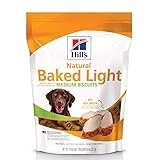
Overview: Hill’s Natural Baked Light Biscuits deliver veterinarian-endorsed nutrition in a low-calorie chicken-flavored treat suitable for all life stages. This 8-ounce bag contains natural snacks made with real chicken, free from artificial preservatives and flavors, manufactured in the USA with trusted global ingredients.
What Makes It Stand Out: As the #1 veterinarian-recommended brand, Hill’s carries unmatched clinical credibility. These biscuits achieve a science-backed balance between flavor and nutrition, using real chicken as a primary protein source. The natural formulation appeals to owners seeking evidence-based pet nutrition over marketing hype, and the brand’s decades of research provide peace of mind.
Value for Money: Priced at $8.99 for 8 ounces ($17.98 per pound), these treats command a premium. However, you’re investing in veterinary research, quality control, and a brand trusted in clinical settings. For dogs with specific dietary needs or owners who prioritize professional recommendations, the cost justifies the assurance.
Strengths and Weaknesses: Strengths include veterinary endorsement, real chicken content, natural ingredients, and suitability for all ages. The brand’s scientific backing is unparalleled. Weaknesses center on the high price per pound—nearly double competitors—and the smaller bag size. Some dogs may find the flavor less intense than treat-focused brands, and the biscuit texture may be too hard for senior dogs.
Bottom Line: Hill’s Natural Baked Light Biscuits are ideal for owners who value veterinary science above all else. While expensive, the professional endorsement and quality ingredients make them worth the investment for health-conscious pet parents.
3. Fruitables Skinny Mini Dog Treats, Healthy Sweet Potato Treat for Dogs, Low Calorie & Delicious, Puppy Training, No Wheat, Corn or Soy, Made in the USA, Bacon and Apple Flavor, 5oz

Overview: Fruitables Skinny Mini treats are ultra-low-calorie training rewards combining sweet potato superfood with bacon and apple flavors. These 5-ounce treats contain fewer than 4 calories each, making them perfect for repetitive training sessions without disrupting your dog’s diet. Free from wheat, corn, and soy, they’re crafted for dogs with common allergies.
What Makes It Stand Out: The sub-4-calorie count is exceptional for training treats, allowing frequent rewarding during intensive sessions. Sweet potato provides digestive support and sustained energy, while the miniature size is perfectly portioned for quick consumption. The CalorieSmart nutrition system demonstrates thoughtful formulation for weight management, and the allergy-friendly recipe accommodates sensitive dogs.
Value for Money: Price information is unavailable, but Fruitables typically positions itself in the mid-range category. Based on similar products, expect moderate pricing that reflects quality superfood ingredients and specialized low-calorie formulation. The 5-ounce bag is compact but packed with hundreds of tiny treats, offering good volume for training purposes.
Strengths and Weaknesses: Strengths include the incredibly low calorie count, training-friendly size, superfood ingredients, and allergy-conscious formulation. The sweet potato base supports digestion and provides nutrients. Weaknesses include the smaller 5-ounce bag size requiring frequent repurchases for heavy trainers, and the lack of pricing transparency. Some dogs may prefer a stronger protein flavor over the vegetable-forward profile.
Bottom Line: Fruitables Skinny Mini treats are exceptional for training and weight management. Their ultra-low calorie count and thoughtful ingredients make them a top choice for reward-heavy sessions, especially for dogs with sensitivities.
4. Buddy Biscuits Trainers 10 oz. Bag of Training Bites Soft & Chewy Dog Treats Made with Chicken Flavor

Overview: Buddy Biscuits Trainers are soft, chewy training bites designed for high-frequency rewarding. This 10-ounce bag contains approximately 500 treats at just 1.5 calories each, making them ideal for extended training sessions. Made with pork liver as the first ingredient and chicken flavor, these USA-made treats are free from corn, soy, and artificial additives.
What Makes It Stand Out: The 1.5-calorie count is among the lowest available, maximizing training opportunities without caloric overload. The soft, chewy texture ensures quick consumption and easy digestion for puppies and seniors alike. With 500 treats per bag, the sheer quantity provides exceptional longevity. Pork liver as the primary ingredient delivers intense palatability that motivates even distracted dogs.
Value for Money: At $6.99 for 10 ounces ($11.18 per pound), these treats offer excellent value. The 500-treat count translates to pennies per reward, making them economical for daily training. Compared to premium brands, Buddy Biscuits delivers professional-grade low-calorie treats at a consumer-friendly price point.
Strengths and Weaknesses: Strengths include the ultra-low 1.5-calorie count, massive quantity per bag, soft texture suitable for all life stages, and clean ingredient profile. The pork liver base ensures high palatability. Weaknesses include the pork liver ingredient, which may not suit dogs with specific protein allergies, and the soft texture may not appeal to dogs who prefer crunchy biscuits. The chicken flavor might be subtle compared to the dominant liver taste.
Bottom Line: Buddy Biscuits Trainers are a trainer’s dream—affordable, ultra-low-calorie, and highly palatable. Perfect for intensive training, they let you reward generously without compromising your dog’s health or your budget.
5. Buddy Biscuits Trainers 10 Oz. Pouch of Training Bites Soft & Chewy Dog Treats Made with Bacon Flavor

Overview: Buddy Biscuits Trainers in bacon flavor offer the same low-calorie, high-quantity benefits as their chicken counterpart in a smoky, savory profile. This 10-ounce pouch contains approximately 500 soft, chewy treats at just 1.5 calories each, making them perfect for repetitive training rewards. Made with natural pork liver and bacon, these USA treats avoid corn, soy, and artificial ingredients.
What Makes It Stand Out: The natural bacon flavor combined with a pork liver base creates an exceptionally enticing aroma for dogs. At 1.5 calories per treat, they support extensive training sessions without dietary impact. The 500-treat pouch provides remarkable longevity, and the soft texture ensures quick eating—crucial for maintaining training momentum. Clean ingredients appeal to health-conscious owners.
Value for Money: At $6.10 for 10 ounces ($9.76 per pound), this is the best value among reviewed treats. The combination of ultra-low calorie count, massive quantity, and premium ingredients at under $10 per pound is outstanding. Each treat costs fractions of a penny, making continuous training economically feasible.
Strengths and Weaknesses: Strengths include the lowest price per pound, exceptional calorie efficiency, high treat count, natural bacon flavor, and soft, digestible texture. The clean ingredient list is commendable. Weaknesses mirror the chicken version: pork liver may trigger allergies in some dogs, and the soft texture lacks dental benefits. The bacon flavor, while natural, might be overpowering for sensitive dogs or owners sensitive to smell.
Bottom Line: Buddy Biscuits Bacon Trainers deliver unbeatable value for high-volume training. Their rock-bottom calorie count, irresistible flavor, and budget-friendly price make them the smart choice for dedicated trainers seeking maximum reward potential.
6. Charlee Bear Original Crunch Dog Treats, Turkey Liver and Cranberries, 16 Ounce Resealable Bag, Low Calorie Training Treats for Dogs, Limited Ingredient, Healthy, Crunchy Dog Snacks, Made in USA

Overview: Charlee Bear Original Crunch Dog Treats deliver turkey liver and cranberries in a 16-ounce resealable bag designed for daily rewarding and training. These crunchy snacks feature a simple recipe with broad appeal across breeds and life stages, from puppies to seniors.
What Makes It Stand Out: With seven ingredients or fewer, these treats eliminate artificial flavors, colors, corn, and soy. At fewer than three calories per piece, they’re exceptionally low-calorie, ideal for repetitive training rewards. The “pocket-perfect” design prevents stains and odors, allowing convenient carrying. A family-owned company with over 25 years of experience produces these Made in USA treats, ensuring consistent quality.
Value for Money: At $8.99 per pound, these treats offer excellent value for health-conscious owners. The 16-ounce bag provides substantial quantity, and the limited-ingredient premium formulation remains competitively priced. Compared to similar training treats, the combination of clean ingredients and convenience features justifies every penny.
Strengths and Weaknesses: Strengths include the extremely low calorie count, limited clean ingredients, pocket-friendly design, family-owned USA manufacturing, and suitability for all life stages. Weaknesses: Some dogs may prefer higher-fat alternatives, and the crunchy texture might challenge dogs with dental issues. The flavor profile, while appealing to many, may not entice the most selective eaters.
Bottom Line: These treats excel for frequent trainers and health-focused owners. The low-calorie, clean-ingredient formula combined with pocket convenience makes them ideal for daily use. While not perfect for every dog, they represent one of the best values in functional training treats.
7. Fruitables Baked Dog Treats, Pumpkin Snacks for Dogs, Low Calorie & Delicious, No Wheat, Corn or Soy, Healthy Puppy Training Treats, Made in the USA, Apple and Crispy Bacon Flavor, 7oz
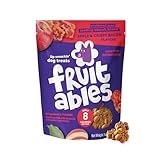
Overview: Fruitables Baked Dog Treats combine pumpkin nutrition with apple and crispy bacon flavor in a 7-ounce package. These low-calorie snacks support digestion while delivering an irresistible aroma that maintains canine engagement during training sessions and daily rewards.
What Makes It Stand Out: The pumpkin foundation provides digestive benefits, while the unique apple-bacon fusion creates an aroma that tempts even selective dogs. At eight calories per treat, they enable generous rewarding without weight gain. The formulation excludes wheat, corn, and soy, addressing common allergies. Their crispy texture offers satisfying crunch that sustains interest.
Value for Money: At $4.49 ($10.26 per pound), these treats occupy the mid-range price point. The 7-ounce bag requires more frequent purchasing than bulk options, but the specialized flavor combination and functional pumpkin benefits justify the cost. They deliver solid value for owners prioritizing palatability and digestive health over maximum quantity.
Strengths and Weaknesses: Strengths include the irresistible aroma, pumpkin’s digestive support, low calorie count, allergy-friendly ingredients, and training-focused design. Weaknesses: The smaller bag size increases per-treat cost for heavy users, and some budget-conscious owners may find the per-pound price slightly elevated compared to basic training treats.
Bottom Line: These treats shine for training picky dogs or those needing digestive support. The unique flavor profile and health benefits outweigh the smaller package size, making them a worthwhile investment for effective, engaging training sessions.
8. Old Dog Cookie Company All Natural Diabetic Dog Treats – Vet Approved Dog Snacks | Best Healthy Chews for Dogs, Top Treat for Dogs | Low Glycemic, Supports Healthy Blood Sugar | 10 oz

Overview: Old Dog Cookie Company pioneered diabetic-friendly dog treats specifically formulated to support healthy blood sugar levels. These vet-approved, all-natural biscuits come in a 10-ounce resealable bag with approximately 40 treats, each 2.5 inches in diameter.
What Makes It Stand Out: As the first low-glycemic dog treat, they feature pumpkin puree, apples, and dandelion to support digestion, blood sugar control, and immune function. The treats contain no added sugar, salt, preservatives, or artificial chemicals, using human-grade ingredients. At 16 calories each, they provide satisfying crunch without compromising diabetic management.
Value for Money: At $21.98 ($35.17 per pound), these premium-priced treats reflect their specialized medical formulation. For diabetic dogs, the cost is justified by vet-approved, targeted nutritional support and peace of mind. For healthy dogs, more economical alternatives exist that offer similar quality without the specialized formulation.
Strengths and Weaknesses: Strengths include the specialized diabetic formulation, veterinary approval, human-grade ingredients, multi-functional health benefits, and low-glycemic design. Weaknesses: The high price point limits accessibility, the larger treat size may require breaking for small dogs, and the formulation offers minimal advantage for non-diabetic pets.
Bottom Line: These treats are essential for diabetic dogs requiring blood sugar management. While expensive, the specialized formulation and vet approval provide invaluable reassurance. For healthy dogs, however, equally nutritious but significantly more affordable alternatives are readily available.
9. Fruitables Baked Dog Treats, Healthy Pumpkin Treat for Dogs, Low Calorie & Delicious, No Wheat, Corn or Soy, Made in the USA, Pumpkin and Banana Flavor, 7oz

Overview: Fruitables Baked Dog Treats in Pumpkin and Banana flavor provide digestive-supporting nutrition in a 7-ounce package. These low-calorie treats combine functional benefits with an appealing taste profile suitable for training and daily rewards across all breeds.
What Makes It Stand Out: The pumpkin-banana fusion delivers fiber-rich digestive support while creating a unique flavor. With only eight calories per treat, they promote weight management through CalorieSmart nutrition. The allergy-friendly formulation excludes wheat, corn, and soy, making them safe for sensitive dogs. Their crunchy texture and natural aroma maintain canine engagement during training.
Value for Money: At $4.49 ($10.26 per pound), these treats offer mid-range pricing. The functional pumpkin base and allergy-conscious recipe provide good value, though the 7-ounce size necessitates frequent repurchasing for heavy trainers. The quality ingredients justify the cost for health-focused owners seeking specialized nutrition.
Strengths and Weaknesses: Strengths include digestive health support, low calorie count, allergy-friendly ingredients, engaging flavor combination, and training suitability. Weaknesses: The small package size increases per-treat cost for frequent use, and some dogs may prefer meat-based flavors over fruit combinations, potentially limiting palatability for selective eaters.
Bottom Line: These treats excel for dogs with allergies or digestive sensitivities. The pumpkin-banana blend offers functional health benefits alongside training utility, making them a smart choice for health-conscious owners despite the smaller bag size and potential flavor preference limitations.
10. Portland Pet Food Company Pumpkin Dog Treats Healthy Biscuits for Small Medium & Large Dogs - Grain-Free, Human-Grade, All Natural Cookies, Snacks & Puppy Training Treats - Made in The USA - 5 oz

Overview: Portland Pet Food Company creates human-grade, grain-free pumpkin dog treats in a 5-ounce package. These vegan biscuits use organic pumpkin puree and limited ingredients to provide a wholesome snack suitable for dogs of all sizes, including those with severe sensitivities.
What Makes It Stand Out: The treats are handcrafted in the USA using human-grade, organic ingredients including Bob’s Red Mill Garbanzo Bean Flour, peanut butter, molasses, and cinnamon. With seven or fewer ingredients and no preservatives, wheat, dairy, chicken, BHT, BHA, or artificial colors, they cater to highly sensitive dogs. The double-baked process creates a light, crunchy texture that snaps easily into smaller pieces for training.
Value for Money: At $9.99 ($31.97 per pound), these premium-priced treats reflect their human-grade, organic certification. While expensive, the exceptional ingredient standards and grain-free formulation justify the cost for owners of dogs with severe allergies or those requiring human-grade quality. For general use, the price may prove prohibitive.
Strengths and Weaknesses: Strengths include human-grade organic ingredients, grain-free limited recipe, versatility for all dog sizes, complete USA sourcing, and BPA-free packaging. Weaknesses: Very high price per pound, small 5-ounce bag limits value, and the vegan formulation may lack appeal for dogs preferring meat-based flavors.
Bottom Line: These treats are ideal for dogs with severe allergies or owners prioritizing human-grade quality above all. The premium price is justified by exceptional ingredient standards and meticulous production, though budget-conscious buyers or those with large dogs will find them impractical for regular use.
Why Weight Management Matters for Dogs
Canine obesity isn’t just a cosmetic issue—it’s a serious health crisis that reduces lifespan by up to 2.5 years. Excess weight strains joints, increases diabetes risk, compromises respiratory function, and elevates cancer susceptibility. Every extra pound on a medium-sized dog equates to 4-5 pounds on a human, making even modest weight gain significant. Treats often represent the biggest culprit in gradual weight gain, with many traditional biscuits packing 50-100 calories each. For a 20-pound dog needing only 400-500 daily calories, just two conventional treats can consume 20% of their entire caloric budget.
The Science Behind Low-Calorie Dog Biscuits
Low-calorie biscuits achieve reduced caloric content through precise formulation rather than simply shrinking portion sizes. Manufacturers employ advanced techniques like air incorporation during baking, which creates satisfying crunch with less dense material. They substitute high-calorie fats with moisture-rich vegetables and lean proteins while maintaining palatability through natural flavor enhancers. The most effective options contain 5-15 calories per biscuit, allowing you to reward your dog multiple times daily without compromising their caloric deficit.
Understanding Caloric Density
Caloric density refers to calories per unit weight, and optimal weight-control biscuits maintain this below 3 kcal per gram. This measurement matters more than total calories per treat because it determines how much physical volume your dog consumes relative to energy intake. A low-density biscuit physically fills stomach space, activating stretch receptors that signal satiety to the brain.
Understanding Canine Satiety: What Keeps Dogs Full?
Satiety in dogs operates through hormonal and mechanical pathways that differ subtly from human mechanisms. The stomach’s stretch receptors respond to volume, while nutrient-specific hormones like peptide YY and glucagon-like peptide-1 respond to protein and fiber content. Effective weight-control biscuits target both pathways simultaneously. They expand slightly with moisture in the stomach, while their fiber content slows gastric emptying and their protein triggers satiety hormones.
The Role of Chewing in Fullness
The act of chewing itself contributes to satiety through sensory feedback and time-delayed consumption. Crunchy biscuits requiring 20-30 chews extend eating duration, allowing hunger hormones to adjust. This mechanical process also releases enzymes that begin digestion, improving nutrient absorption from the treat itself.
Key Nutritional Features to Look For
When evaluating weight-control biscuits, prioritize options that balance multiple nutritional strategies rather than relying on a single approach. The most effective products combine moderate protein, strategic fiber, and minimal processing to create treats that satisfy while supporting metabolic health.
Macronutrient Balance
Aim for biscuits containing 18-25% protein and 8-15% fiber, with fat content below 10%. This ratio provides sufficient amino acids for muscle maintenance during weight loss while leveraging fiber’s satiating properties. Excessive protein can stress kidneys in some dogs, while insufficient protein accelerates muscle loss.
Micronutrient Fortification
Weight-loss phases increase micronutrient needs per calorie consumed. Quality biscuits fortify with L-carnitine to support fat metabolism, omega-3 fatty acids for anti-inflammatory effects, and B vitamins for energy production. These additions transform treats from empty calories into functional nutrition.
Fiber: The Secret Weapon for Fullness
Not all fiber functions equally in canine digestion. Soluble fibers like pumpkin, sweet potato, and apple pectin form viscous gels that slow nutrient absorption and prolong fullness. Insoluble fibers like cellulose and pea fiber add bulk without calories, physically filling the digestive tract. Premium weight-control biscuits blend both types, typically achieving 3-5 grams of total fiber per biscuit.
Prebiotic Fiber Benefits
Beyond satiety, specific fibers like chicory root and inulin feed beneficial gut bacteria, producing short-chain fatty acids that improve colon health and may enhance metabolic rate. A healthy microbiome also reduces systemic inflammation, which often accompanies obesity and complicates weight loss.
Protein Content and Quality
Protein quality matters more than quantity. Look for named animal proteins (chicken, turkey, fish) as primary ingredients rather than by-products or plant concentrates. High biological value proteins contain complete amino acid profiles that efficiently trigger satiety hormones. Some innovative biscuits incorporate novel proteins like insect meal, which provides exceptional digestibility with minimal environmental impact.
Protein Digestibility Scores
The protein digestibility-corrected amino acid score (PDCAAS) reveals how well dogs utilize protein sources. Eggs score 1.0 (perfect), while many plant proteins score below 0.75. Quality manufacturers often publish these scores, indicating commitment to nutritional excellence over ingredient cost-cutting.
Calorie Density vs. Treat Size
A common misconception suggests smaller treats automatically equal better weight control. However, a tiny, dense treat may provide fewer calories but fails to trigger satiety mechanisms. Conversely, a larger, airier biscuit might contain similar calories while providing greater satisfaction. The ideal weight-control biscuit balances size and density, typically weighing 5-8 grams while maintaining that crucial low caloric density.
The Visual Deception Factor
Dogs, unlike humans, don’t experience visual portion disappointment. They respond to scent, texture, and chewing satisfaction. This allows you to choose larger-looking biscuits that are actually low-calorie, providing psychological satisfaction for you while delivering physical satisfaction for your dog.
Ingredient Quality and Sourcing
Traceability and sourcing standards directly impact nutritional integrity. Biscuits made with regionally sourced, human-grade ingredients undergo less processing and retain more native nutrients. Look for manufacturers practicing transparent sourcing, with clear statements about ingredient origins and quality testing protocols.
Organic vs. Conventional Considerations
While organic certification ensures pesticide-free ingredients, it doesn’t guarantee nutritional superiority for weight control. Some conventional ingredients actually provide better nutrient profiles. Focus on ingredient quality over certification status, prioritizing whole-food sources with minimal processing.
Common Ingredients to Avoid
Weight-control biscuits should never contain certain ingredients that undermine health goals or introduce empty calories. Identifying these red flags protects your investment in your dog’s health journey.
Artificial Additives
Artificial colors, flavors, and preservatives add no nutritional value and may disrupt gut microbiome balance. Butylated hydroxyanisole (BHA) and butylated hydroxytoluene (BHT), common preservatives, have been linked to metabolic disruption in some studies. Opt for natural preservatives like mixed tocopherols (vitamin E) and rosemary extract.
High-Glycemic Fillers
Corn syrup, white rice flour, and potato starch cause rapid blood sugar spikes followed by crashes that trigger renewed hunger. These ingredients defeat satiety mechanisms and promote fat storage. Instead, seek low-glycemic binders like chickpea flour, oat fiber, or lentil flour.
Texture and Crunch Factor
Crunchiness isn’t merely aesthetic—it serves dental health and psychological functions. The abrasive action of crunchy biscuits reduces tartar buildup by up to 15% when fed daily. This mechanical cleaning becomes especially important during weight loss, when reduced food volume might otherwise decrease chewing activity.
Optimal Crunchiness Levels
The ideal biscuit fractures after moderate pressure (around 5-7 pounds of force), providing audible satisfaction without being so hard as to risk dental fracture in older dogs or those with compromised teeth. This texture also slows consumption, preventing gulping that bypasses satiety signals.
Portion Control Strategies
Even low-calorie biscuits require strategic portion management to prevent accidental overfeeding. Implementing systematic approaches ensures treats enhance rather than hinder weight management.
The 10% Rule
Veterinary nutritionists recommend treats comprise no more than 10% of daily caloric intake. For a dog eating 500 calories daily, that’s 50 treat calories. With 10-calorie biscuits, you could reward good behavior five times daily—a realistic number for active training or bonding.
Treat Dispensing Tools
Interactive puzzle feeders and treat-dispensing toys extend biscuit consumption time from seconds to minutes. This temporal extension maximizes satiety signals while providing mental stimulation that reduces boredom-related begging behaviors often mistaken for hunger.
Homemade vs. Commercial Options
Creating homemade low-calorie biscuits offers complete ingredient control but requires nutritional expertise to avoid deficiencies. Commercial options undergo feeding trials and nutritional analysis ensuring complete safety.
Benefits of Homemade
Homemade biscuits allow customization for allergies or extreme pickiness. Simple recipes using pumpkin puree, oat fiber, and lean turkey can achieve sub-10-calorie counts. However, consistency in caloric content proves challenging without precise measurement tools.
Commercial Safety Standards
Reputable commercial manufacturers conduct digestibility studies, microbiological testing, and shelf-life stability analysis. They employ veterinary nutritionists to formulate products meeting AAFCO guidelines, providing assurance that treats support rather than compromise health goals.
Transitioning to Low-Calorie Treats
Abrupt dietary changes can cause digestive upset or treat rejection. Gradual transition over 7-10 days allows your dog’s palate and gut microbiome to adjust. Begin by replacing 25% of regular treats with low-calorie alternatives, increasing proportionally while monitoring stool quality and enthusiasm.
Managing Expectations During Transition
Some dogs initially reject lower-fat treats due to reduced palatability. Enhancing appeal with a light mist of low-sodium chicken broth or brief warming in the oven can release aroma compounds that stimulate appetite without adding significant calories.
Monitoring Your Dog’s Response
Effective weight management requires ongoing assessment beyond the scale. Monitor energy levels, coat quality, and satiety cues. A dog losing weight appropriately should maintain playful energy and show reduced begging within 2-3 weeks of treat conversion.
Body Condition Scoring
Learn to assess body condition score (BCS) using the 9-point scale. Ideal weight corresponds to a BCS of 4-5, where ribs are palpable without excess fat covering and a waist is visible from above. This hands-on evaluation proves more valuable than scale weight alone.
Integrating Treats into a Weight Loss Plan
Low-calorie biscuits work best as components of comprehensive weight management strategies. They should complement measured meal portions, increased exercise, and regular veterinary monitoring. Treats can serve as pre-walk motivation or post-play rewards, creating positive associations with active lifestyle changes.
Timing for Maximum Benefit
Offering a low-calorie biscuit 30 minutes before your dog’s main meal can reduce mealtime food intake by 10-15%. The preloading strategy leverages initial satiety signals to naturally decrease caloric consumption at meals without portion restriction stress.
Frequently Asked Questions
How many low-calorie biscuits can I give my dog daily? Calculate your dog’s total daily caloric needs, ensure treats don’t exceed 10% of that total, and divide by your chosen biscuit’s calorie content. For a 30-pound dog needing 700 calories, 70 treat calories equals seven 10-calorie biscuits distributed throughout the day.
Will low-calorie treats actually satisfy my dog? Yes, when formulated with adequate fiber and protein. The satiety comes from volume expansion in the stomach and hormone release, not calorie count. Many dogs show reduced begging within two weeks as their bodies adapt to the new satiety signals.
Can low-calorie biscuits replace regular meals? Never. These treats lack complete nutrition profiles required for meal replacement. They’re designed for intermittent rewards, not sustained nutrition. Using them as meal substitutes creates dangerous deficiencies.
Are grain-free low-calorie biscuits better? Not necessarily. Some grain-free options use higher-calorie starches to replace grains. Focus on total fiber content and ingredient quality rather than grain status. Many whole grains like oats provide excellent low-calorie fiber.
What if my dog refuses low-calorie treats? Try different protein sources or textures. Lightly toasting biscuits enhances aroma. You can also crumble treats over meals to associate the flavor with positive experiences. Gradual introduction mixed with familiar treats often succeeds.
How quickly should I expect to see weight loss results? Healthy canine weight loss occurs at 1-2% of body weight weekly. A 50-pound dog should lose 0.5-1 pound per week. Faster loss risks muscle depletion and metabolic slowdown. Treat changes alone may take 3-4 weeks to show scale impact.
Can puppies eat weight-control biscuits? Puppies have different nutritional needs and shouldn’t be on calorie restriction. However, low-calorie biscuits designed for adult weight management are generally safe for puppies over six months when used sparingly for training. Prioritize growth-appropriate treats instead.
Are these biscuits suitable for senior dogs? Yes, and they’re often ideal. Senior dogs have slower metabolisms and lower caloric needs. Choose softer crunchy textures if dental issues exist, and ensure added joint-supporting ingredients like glucosamine are included.
How do I calculate treat calories in my dog’s total diet? Check your dog food’s calorie content (kcal/cup), measure exact portions, and add treat calories. Many pet food companies offer free nutrition calculators. Be honest about every treat, including those given by family members.
Can I make effective low-calorie biscuits at home? Absolutely. Combine canned pumpkin (not pie filling), oat fiber, egg white, and lean protein like turkey. Bake until crisp and calculate calories by totaling ingredient calories and dividing by number of biscuits. Aim for under 15 calories each.