If you’ve ever watched your Bulldog scratch incessantly, develop red patches between their folds, or experience chronic digestive upset, you know the heartbreak of canine allergies. These lovable, wrinkly companions are genetically predisposed to food sensitivities that can manifest as skin inflammation, ear infections, and gastrointestinal distress. Navigating the world of limited ingredient and hypoallergenic dog foods can feel overwhelming, with marketing claims blurring the line between genuine therapeutic nutrition and clever branding. This comprehensive guide cuts through the noise, equipping you with veterinary-backed insights to identify the right nutritional strategy for your Bulldog’s unique needs—without falling for common pitfalls that could prolong their discomfort.
Top 10 Limited Ingredient Foods for Bulldogs
Detailed Product Reviews
1. Natural Balance Limited Ingredient Small Breed Adult Grain-Free Dry Dog Food, Salmon & Sweet Potato Recipe, 4 Pound (Pack of 1)

Overview: This specialized formula targets small breed adult dogs with sensitive systems, offering a grain-free salmon and sweet potato recipe in a conveniently sized 4-pound bag. Designed specifically for smaller jaws and metabolic needs, the kibble features reduced size for easier chewing and nutrient density appropriate for little dogs. The limited ingredient approach uses salmon as the sole animal protein source, making it ideal for pups with common poultry or beef allergies.
What Makes It Stand Out: The small breed tailoring goes beyond just kibble size—this recipe accounts for the faster metabolism and higher energy needs per pound that characterize small dogs. Natural Balance’s “Feed with Confidence” program provides batch-level testing transparency, allowing owners to verify safety data online or via their veterinary technician-staffed hotline. The single protein source combined with sweet potato fiber creates a digestible foundation that supports skin, coat, and digestive health simultaneously.
Value for Money: At $6.24 per pound, this premium pricing reflects specialized formulation rather than bulk value. The 4-pound bag suits single small dogs or trial periods, though it won’t last long for active feeders. Compared to standard all-breed formulas, you’re paying approximately 20-30% more for breed-specific engineering and grain-free composition, which is market-standard for this category.
Strengths and Weaknesses: Strengths: Breed-appropriate kibble size; single novel protein for allergy management; rigorous safety testing; grain-free for sensitive digestion; supports skin and coat health. Weaknesses: High cost per pound; small bag size requires frequent repurchasing; may be too calorie-dense for less active small dogs; not suitable for multi-dog households with mixed breed sizes.
Bottom Line: This is an excellent choice for small breed owners navigating food sensitivities. While the price point demands consideration, the targeted formulation and safety transparency justify the investment for dogs needing precise nutritional support.
2. Natural Balance Limited Ingredient Grain Free Salmon & Sweet Potato Dry Dog Food, Sensitive Stomach, 4 lb (Pack of 1)

Overview: This all-breed adult formula delivers the same salmon and sweet potato limited ingredient diet in a versatile 4-pound package. Positioned for dogs with sensitive stomachs and skin issues, it eliminates grains, soy, gluten, and artificial additives while maintaining complete nutritional balance. The universal kibble size makes it suitable for medium and large dogs, though it can work for smaller breeds that can handle standard-sized pieces.
What Makes It Stand Out: The formula’s simplicity is its strength—salmon provides omega fatty acids for skin barrier function while sweet potatoes offer gentle, grain-free fiber. Flaxseed adds additional anti-inflammatory benefits. Natural Balance’s rigorous batch-testing program ensures each bag meets strict safety standards, giving owners peace of mind when managing delicate digestive systems. The recipe serves as both a therapeutic option for allergic dogs and a maintenance diet for any adult dog.
Value for Money: At $6.24 per pound, the cost aligns with premium limited ingredient diets. The 4-pound size functions well as an introduction or for single-dog households testing tolerance. While not offering bulk savings, it prevents waste if your dog doesn’t adapt. Compared to veterinary prescription diets, this provides similar benefits at roughly 30-40% lower cost.
Strengths and Weaknesses: Strengths: Single novel protein source; grain-free for sensitive digestion; comprehensive safety testing; suitable for all adult breeds; supports immune system health. Weaknesses: Pricey per pound; kibble may be challenging for toy breeds; bag size inefficient for large dogs; no small breed-specific nutrient ratios.
Bottom Line: A solid, versatile option for dogs with suspected food sensitivities. It strikes a balance between therapeutic formulation and everyday feeding, making it ideal for households with medium to large dogs requiring dietary simplification.
3. Natural Balance Limited Ingredient Adult Dry Dog Food with Healthy Grains, Lamb & Brown Rice Recipe, 12 Pound (Pack of 1)

Overview: This lamb and brown rice formula takes a different approach by incorporating healthy grains for dogs that tolerate them well. The 12-pound bag offers a complete limited ingredient diet with lamb as the single animal protein, complemented by fiber-rich brown rice instead of grain-free carbohydrates. This recipe suits dogs without grain sensitivities who still benefit from simplified ingredient lists for skin, coat, and digestive wellness.
What Makes It Stand Out: The inclusion of wholesome brown rice provides steady energy and natural fiber while keeping the ingredient list remarkably short. Lamb serves as an excellent alternative protein for dogs reacting to more common chicken, beef, or salmon formulas. The larger bag size demonstrates confidence in palatability—owners can commit to a longer-term supply. Natural Balance maintains their same rigorous safety testing protocol across all formulations, ensuring consistent quality.
Value for Money: At $4.00 per pound, this represents the best value in the Natural Balance lineup. The 12-pound quantity reduces packaging waste and shopping frequency while dropping the per-pound cost by 36% compared to 4-pound variants. For multi-dog households or large breed dogs, the savings become substantial over time, making premium nutrition accessible without compromising ingredient quality.
Strengths and Weaknesses: Strengths: Superior price per pound; alternative protein source; healthy grains for tolerant dogs; same safety transparency; economical for larger dogs. Weaknesses: Not suitable for grain-sensitive dogs; larger upfront investment; requires proper storage to maintain freshness; limited to lamb protein option.
Bottom Line: This is the smart choice for cost-conscious owners of dogs without grain allergies. The value proposition is undeniable, delivering limited ingredient benefits at a price point that rivals conventional premium foods while maintaining therapeutic-quality standards.
4. Natural Balance Limited Ingredient Adult Grain-Free Wet Canned Dog Food, Sweet Potato & Salmon Recipe, 13 Ounce (Pack of 12)
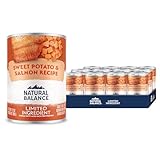
Overview: This canned wet food translates Natural Balance’s limited ingredient philosophy into a moisture-rich format, with twelve 13-ounce cans providing grain-free salmon and sweet potato nutrition. The high-moisture content supports hydration while delivering the same single-protein, simplified ingredient approach as its dry counterparts. The soft texture appeals to picky eaters and benefits dogs with dental issues or reduced appetite.
What Makes It Stand Out: Wet food inherently offers advantages dry kibble cannot—enhanced palatability, easier chewing for senior dogs, and supplemental water intake. The salmon and sweet potato formula maintains the brand’s commitment to digestive sensitivity, while the canned preservation method eliminates the need for artificial preservatives. Each can provides a complete meal, making portion control straightforward and travel convenient.
Value for Money: At $0.31 per ounce, wet food carries a premium over dry equivalents. Feeding a 50-pound dog exclusively would cost approximately 3-4 times more than dry food. However, the value emerges when used as a topper to entice picky eaters or provide variety. Compared to other limited ingredient canned foods, Natural Balance’s pricing remains competitive, particularly given their extensive safety testing program.
Strengths and Weaknesses: Strengths: Excellent palatability; high moisture content aids hydration; easy to digest; ideal for seniors or post-surgery recovery; works as meal topper or standalone diet. Weaknesses: Significantly more expensive than dry; bulky storage; shorter shelf life after opening; not practical as sole diet for large dogs due to cost.
Bottom Line: Consider this a strategic supplement rather than a primary diet for most households. It’s invaluable for managing picky eaters, providing medication concealment, or supporting dogs with dental challenges, though budget-conscious owners should reserve it for targeted use.
5. Natural Balance Limited Ingredient Adult Dry Dog Food with Healthy Grains, Lamb & Brown Rice Recipe, 4 Pound (Pack of 1)

Overview: This compact version of the lamb and brown rice formula offers the same grain-inclusive limited ingredient diet in a trial-friendly 4-pound size. Lamb remains the sole protein source, complemented by brown rice for gentle fiber and energy. The smaller package serves owners wanting to test their dog’s tolerance to lamb or grains before investing in the larger 12-pound bag, or those with limited storage space.
What Makes It Stand Out: The 4-pound format functions as a low-risk entry point to the Natural Balance system. It provides identical nutritional formulation and safety testing as its larger counterpart, ensuring no quality compromise for convenience. The lamb protein offers a novel alternative for dogs showing sensitivities to more common proteins, while the grain-inclusive recipe suits dogs without specific carbohydrate allergies.
Value for Money: At $6.24 per pound, you’re paying a 56% premium compared to the 12-pound bag—a steep price for convenience. This pricing structure clearly positions the 4-pound size as a sampler rather than a economical choice. However, the cost prevents waste if your dog rejects the formula, making it a prudent initial investment that could save money long-term by avoiding a large purchase of unsuitable food.
Strengths and Weaknesses: Strengths: Low financial risk for diet trials; same quality as larger size; convenient storage; suitable for single small dogs; alternative protein option. Weaknesses: Poor long-term value; environmentally inefficient packaging ratio; significantly higher cost per pound; requires frequent reordering.
Bottom Line: This size makes sense exclusively for short-term testing or for owners of tiny breeds who cannot finish larger bags before freshness declines. For established diets, the 12-pound option delivers far superior economics and should be the default choice.
6. Merrick Limited Ingredient Diet Grain Free Dry Dog Food, Premium And Healthy Kibble With Lamb And Sweet Potato - 22.0 lb. Bag

Overview: Merrick’s Limited Ingredient Diet offers a premium grain-free solution for dogs with food sensitivities. This 22-pound bag features real deboned lamb as the primary protein source, paired with sweet potato for easily digestible carbohydrates. Formulated with only ten key ingredients, it eliminates common allergens like poultry, soy, corn, wheat, dairy, and eggs.
What Makes It Stand Out: The simplicity of this formula is its greatest strength—just ten ingredients plus essential nutrients. Unlike many competitors, it includes glucosamine and chondroitin for joint health alongside omega fatty acids for skin and coat. The grain-free design caters specifically to dogs with grain sensitivities, while the Texas-crafted, USA-made production ensures quality control.
Value for Money: At $3.45 per pound, this sits in the premium tier but delivers justified value. Limited ingredient diets inherently cost more due to specialized sourcing and processing. The added joint supplements and high-quality lamb protein make it competitive with other veterinary-grade options that often exceed $4 per pound.
Strengths and Weaknesses:
- Strengths: Minimal ingredient list reduces allergen exposure; includes joint support supplements; high-quality deboned lamb; omega fatty acids for skin health; made in USA facilities.
- Weaknesses: Grain-free may not suit all dogs; higher price point; only available in 22-pound bags; limited flavor options within the LID line.
Bottom Line: Merrick’s LID is an excellent investment for dogs with confirmed food sensitivities or allergies, offering pharmaceutical-grade simplicity with proven nutritional benefits.
7. Natural Balance Limited Ingredient Large Breed Adult Dry Dog Food with Healthy Grains, Lamb & Brown Rice Recipe, 26 Pound (Pack of 1)
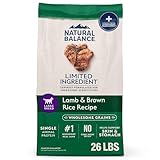
Overview: Designed specifically for large breed adults, this Natural Balance formula delivers limited ingredient nutrition with wholesome grains. The 26-pound bag centers on lamb as the sole animal protein source, complemented by brown rice for digestive health. It addresses the unique needs of bigger dogs while maintaining a simplified ingredient list for sensitive systems.
What Makes It Stand Out: The large breed-specific formulation features larger kibble size to encourage proper chewing and digestion. Unlike grain-free alternatives, it includes healthy grains that provide sustained energy and fiber. Natural Balance’s “Feed with Confidence” program stands out, offering batch-by-batch safety testing that few competitors match at this price point.
Value for Money: At $2.81 per pound, this represents strong value for a large breed specialty diet. You’re getting breed-specific nutrition, rigorous safety testing, and limited ingredient benefits for less than many standard premium brands. The 26-pound size offers better bulk pricing than smaller bags.
Strengths and Weaknesses:
- Strengths: Large breed tailored nutrition; larger kibble promotes dental health; includes beneficial grains; comprehensive safety testing program; single protein source reduces allergens.
- Weaknesses: Contains grains (unsuitable for grain-sensitive dogs); limited protein variety; bag can be cumbersome to store; not formulated for puppies or seniors.
Bottom Line: An optimal choice for large breed owners seeking limited ingredient benefits without going grain-free, backed by exceptional safety transparency.
8. Nutro Limited Ingredient Diet Adult Dry Dog Food, Salmon & Lentils Recipe, 4 lbs.

Overview: Nutro’s Limited Ingredient Diet provides a novel protein approach with salmon as the star ingredient. This compact 4-pound bag uses lentils as a grain-free carbohydrate source, catering to dogs with multiple food sensitivities. The recipe adheres to a strict ten-key-ingredient maximum, creating a streamlined nutritional profile for adult dogs.
What Makes It Stand Out: The salmon and lentil combination offers a unique alternative to more common lamb or chicken LID formulas. This fish-based protein works exceptionally well for dogs allergic to traditional land-animal proteins. The small bag size allows pet owners to trial the formula without committing to a large, expensive purchase—a smart approach for elimination diets.
Value for Money: At $7.00 per pound, this is the most expensive option per unit, but the small 4-pound bag serves a specific purpose. It functions as a testing size, preventing costly waste if your dog rejects it or shows adverse reactions. For long-term feeding, the price becomes prohibitive compared to larger bags from competitors.
Strengths and Weaknesses:
- Strengths: Novel salmon protein ideal for allergy testing; truly limited ingredient count; grain-free with lentils; small size perfect for trials; no artificial additives.
- Weaknesses: Extremely high cost per pound; small bag impractical for large dogs or long-term use; limited availability in larger sizes; fish protein may not suit all palates.
Bottom Line: Best utilized as a diagnostic tool for elimination diets rather than a permanent feeding solution due to its premium pricing.
9. Natural Balance Limited Ingredient Adult Dry Dog Food with Vegan Plant Based Protein and Healthy Grains, Vegetarian Recipe, 24 Pound (Pack of 1)
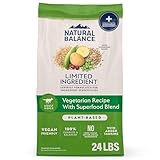
Overview: This revolutionary formula offers complete canine nutrition without any animal products, targeting dogs with severe meat protein allergies or owners seeking plant-based options. The 24-pound bag derives protein from barley and peas while maintaining Natural Balance’s limited ingredient philosophy. It’s a complete and balanced diet that challenges traditional meat-centric dog food formulations while supporting healthy immune function.
What Makes It Stand Out: As one of the few truly vegan LID options from a major brand, it serves a niche but important market segment. The formula proves that plant-based proteins can deliver complete nutrition when properly formulated. It maintains the same rigorous “Feed with Confidence” safety testing as Natural Balance’s meat-based lines, ensuring equal quality standards and batch-to-batch consistency.
Value for Money: At $3.04 per pound, pricing aligns with premium specialty diets. While more expensive than conventional dog food, it’s reasonable for a vegan formula with safety certification. The 24-pound size offers adequate bulk pricing for a specialty product, making it more economical than smaller vegan alternatives.
Strengths and Weaknesses:
- Strengths: Ideal for dogs with severe meat allergies; environmentally sustainable option; complete amino acid profile from plants; rigorous safety testing; no artificial additives.
- Weaknesses: May be less palatable for meat-preferring dogs; plant proteins have lower bioavailability; controversial for those preferring species-appropriate diets; requires careful monitoring of protein intake.
Bottom Line: A scientifically sound option for specific medical or ethical situations, though not necessary for most healthy dogs.
10. Natural Balance Limited Ingredient Adult Wet Canned Dog Food with Healthy Grains, Lamb & Brown Rice Recipe, 13 Ounce (Pack of 12)
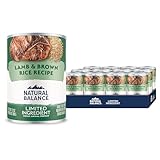
Overview: This wet food variant delivers Natural Balance’s limited ingredient philosophy in a moisture-rich format. The twelve-pack of 13-ounce cans features lamb as the sole animal protein with brown rice for digestible carbohydrates. It’s designed for adult dogs requiring LID benefits but preferring or needing the higher water content of canned food.
What Makes It Stand Out: The wet format provides 78% moisture, supporting hydration and urinary health while often proving more palatable for picky eaters. It maintains the same single-protein simplicity as its dry counterpart but offers textural variety. The pull-tab cans eliminate the need for a can opener, adding convenience to the premium formulation.
Value for Money: At $0.31 per ounce, it’s priced competitively for premium wet food. While more expensive than dry on a caloric basis, the moisture content and palatability justify the premium. The 12-can pack provides better value than individual purchases, making it economical for rotational feeding or as a meal topper.
Strengths and Weaknesses:
- Strengths: High moisture content aids hydration; highly palatable for picky dogs; same safety testing as dry formulas; convenient packaging; excellent as standalone or topper.
- Weaknesses: More expensive than dry equivalents; requires refrigeration after opening; heavier to store and transport; shorter shelf life once opened; not suitable as sole diet for all dogs.
Bottom Line: An excellent complement to dry kibble or primary diet for dogs requiring increased moisture intake and palatability.
Understanding Bulldog Allergies and Sensitivities
Why Bulldogs Are Prone to Food Issues
Bulldogs belong to the brachycephalic family, a group whose genetic bottleneck has inadvertently concentrated certain immune system vulnerabilities. Their distinctive physiology—compressed airways, excessive skin folds, and compromised thermoregulation—creates a perfect storm for inflammatory responses. Unlike environmental allergies that flare seasonally, food sensitivities trigger year-round symptoms that often masquerade as other conditions. The breed’s tendency toward dysbiosis (gut microbiome imbalance) further complicates matters, as compromised intestinal permeability allows larger food particles to enter the bloodstream, triggering immune overreactions.
Common Allergens for Bulldogs
While every dog is unique, Bulldogs most frequently react to proteins rather than grains. Chicken tops the list as the most common culprit, followed closely by beef, dairy, and eggs. These proteins appear in countless commercial formulas, making elimination challenging. Grain sensitivities do occur but are less prevalent than marketing suggests—wheat and corn can be problematic, but they’re often scapegoated while the real protein allergen goes unnoticed. Fish, particularly salmon, can also trigger reactions in Bulldogs with sensitive immune systems, contrary to its reputation as a “hypoallergenic” alternative.
Symptoms to Watch For
Food allergies in Bulldogs rarely present as acute, dramatic reactions. Instead, they manifest as chronic, low-grade inflammation that owners mistakenly accept as “normal for the breed.” Key indicators include relentless paw licking and face rubbing, recurrent ear infections (especially yeast overgrowth), interdigital cysts between toes, and patchy hair loss along the flanks and tail base. Gastrointestinal signs may include inconsistent stool quality, intermittent vomiting, and audible gut gurgling. The “scooting” behavior often blamed on anal glands frequently correlates with food intolerance, as inflamed intestines create systemic itching.
What Makes a Food “Limited Ingredient”?
The Philosophy Behind LID Diets
Limited Ingredient Diets operate on Occam’s Razor principle: simplify to identify the problem. These formulations deliberately restrict component variety, typically featuring a single novel protein and a single novel carbohydrate source. The goal isn’t permanent dietary minimalism but rather a diagnostic tool—a nutritional reset that allows you to isolate triggers through systematic reintroduction. True LID recipes avoid “splitting” ingredients (listing peas as pea protein, pea fiber, and pea starch to mask carbohydrate dominance) and maintain transparency in sourcing.
Typical LID Characteristics
Quality LID formulas contain fewer than 10 primary ingredients before vitamins and minerals. They exclude common proteins like chicken and beef, instead using novel options such as kangaroo, venison, duck, or rabbit. Carbohydrate sources remain equally selective—sweet potato, chickpeas, or tapioca rather than white potato or rice blends. The ingredient panel should read like a simple recipe, not a chemistry textbook. Avoid formulas that supplement with “natural flavors” of undisclosed origin, as these can contain hydrolyzed proteins from unknown sources.
Decoding Hypoallergenic Dog Food
Hydrolyzed Proteins Explained
Hypoallergenic therapeutic diets take a different approach: instead of avoiding common proteins, they break them down into molecules too small to trigger immune recognition. Through hydrolysis, proteins are enzymatically shredded into tiny peptides, effectively “hiding” them from the immune system. This science-backed method allows dogs to receive complete nutrition from chicken or soy—the very ingredients they’re allergic to in their whole form. These diets require veterinary authorization because they’re formulated for medical management, not casual feeding.
Novel Protein Sources
The term “novel” is relative—it means your dog has never consumed it before. For a Bulldog who’s eaten chicken-based food for years, lamb might seem novel, but cross-reactivity between similar proteins can still occur. Truly novel proteins include kangaroo, bison, alligator, or even insects like black soldier fly larvae. The effectiveness depends entirely on the dog’s dietary history. A rescue Bulldog with unknown past feeding may react to proteins considered “exotic” simply because previous owners experimented extensively.
LID vs. Hypoallergenic: Key Differences
These categories serve distinct purposes despite overlapping goals. LID diets work through avoidance—eliminating potential triggers while providing balanced nutrition. Hypoallergenic diets work through molecular manipulation—rendering allergens unrecognizable. LID formulas are available over-the-counter, making them accessible for elimination trials at home. Hypoallergenic diets require veterinary oversight and cost significantly more. For Bulldogs with severe atopic dermatitis or confirmed food allergies via blood testing, hydrolyzed protein diets often provide more reliable results. For suspected sensitivities or mild symptoms, LID offers a practical first step.
Essential Features to Look For
Protein Source Quality
The protein should be named, specific, and meal-free when possible. “Duck” is superior to “poultry meal,” which could contain multiple species. Look for whole meat or meat meal as the first ingredient, but scrutinize what follows. Some brands boost protein percentages with plant concentrates like pea protein, which lacks the amino acid profile Bulldogs need for muscle maintenance and skin health. The biological value matters—egg has the highest score, followed by muscle meat, then organ meat.
Carbohydrate Selection
Bulldogs with yeast overgrowth issues benefit from low-glycemic carbs that don’t feed fungal overgrowth. Sweet potato offers fiber and beta-carotene but can exacerbate yeast in humid climates. Chickpeas provide protein but may cause gas in brachycephalic breeds prone to bloat. Tapioca is neutral but nutritionally empty. The ideal choice depends on your dog’s specific issues: yeast-prone dogs do better with non-starchy options like lentils (in moderation), while those with loose stools need soluble fiber from pumpkin or oats.
Fatty Acid Profile
Omega-3 fatty acids from marine sources (krill oil, algae, fish oil) provide anti-inflammatory benefits for inflamed skin. However, the omega-6 to omega-3 ratio proves more critical than absolute amounts. Many commercial foods overload omega-6 from chicken fat or sunflower oil, promoting inflammation. Look for formulas with a ratio between 5:1 and 10:1. ALA from flaxseed converts poorly to EPA/DHA in dogs, making direct marine sources superior for Bulldogs with active skin disease.
Probiotics and Digestive Support
Given their gut-brain-skin axis vulnerability, Bulldogs need robust digestive support. Specific strains like Bacillus coagulans and Enterococcus faecium survive stomach acid better than generic Lactobacillus blends. Prebiotics such as chicory root feed beneficial bacteria, but can cause gas. Postbiotics—fermentation metabolites—offer immune modulation without the bloat risk. The guaranteed analysis should specify CFU counts and strain names, not just “probiotics added.”
Vitamins and Minerals for Bulldogs
Bulldogs require careful mineral balancing for joint support and skin integrity. Zinc methionine (a chelated form) supports skin healing better than zinc oxide. Vitamin E as mixed tocopherols provides antioxidant protection for inflamed tissue. Manganese and selenium in organic forms aid enzyme function. Avoid synthetic vitamin K3 (menadione), which has no place in modern formulations. The ash content—indicating mineral load—should stay under 7% to reduce kidney stress in older Bulldogs.
Reading Labels Like a Pro
Ingredient List Red Flags
“Meat by-products” without species specification could include anything from feathers to hooves. “Natural flavor” is a black box that may contain hydrolyzed proteins from undisclosed sources. Carrageenan, used in wet foods, can irritate the gut lining. Menadione sodium bisulfite complex (vitamin K3) is banned in human food for a reason. Splitting—listing peas multiple ways to push them down the ingredient list—is a classic deception tactic. Preservatives like BHA, BHT, and ethoxyquin have no place in premium foods.
Guaranteed Analysis Deep Dive
Protein percentage alone tells an incomplete story. A 30% protein food where half comes from peas differs radically from a 26% protein food from animal sources. Calculate the carbohydrate content yourself: 100% - (protein% + fat% + moisture% + ash% + fiber%). For Bulldogs prone to weight gain, aim for under 35% carbs. The calcium to phosphorus ratio should sit between 1.2:1 and 1.4:1—critical for this breed’s skeletal structure. Sodium levels over 0.3% can exacerbate breathing issues by increasing fluid retention.
Transitioning Your Bulldog Safely
The 7-10 Day Switch Method
Abrupt diet changes can trigger pancreatitis in Bulldogs, a breed already predisposed to the condition. Start with 75% old food, 25% new for two days, then 50/50 for three days, then 25/75 for two days. However, for dogs with severe GI upset, extend this to 14 days. Mix foods thoroughly to prevent selective eating—Bulldogs are notorious for picking out the tastier new kibble. Serve smaller, more frequent meals during transition to reduce vomiting risk associated with their brachycephalic anatomy.
Monitoring During Transition
Track stool consistency using the Purina fecal scoring chart—aim for a 3-4 score. Photograph skin lesions weekly to detect subtle improvements. Weigh your Bulldog every three days; rapid weight loss suggests malabsorption. Monitor water intake—excessive thirst can indicate ingredient intolerance. Keep a detailed food diary noting not just meals but also treats, supplements, and any medications. This documentation proves invaluable if symptoms persist, helping your vet distinguish between dietary issues and environmental factors.
Homemade vs. Commercial Options
When DIY Makes Sense
Homemade diets offer absolute ingredient control, crucial for Bulldogs with multiple confirmed allergies. They eliminate cross-contamination risks from manufacturing facilities that process common allergens. For dogs reacting to every commercial option, a properly formulated homemade diet using a single protein and carb source may be the only solution. This approach works best when you have access to a veterinary nutritionist who can formulate a complete and balanced recipe—generic online recipes almost always result in deficiencies.
Risks of Homemade Diets
The majority of homemade diets lack adequate calcium, trace minerals, and vitamin D. Bulldogs fed unbalanced homemade food often develop secondary hyperparathyroidism and pathological fractures. The omega-3 to omega-6 ratio becomes nearly impossible to balance without precise supplementation. Food safety is another concern—Bulldogs are susceptible to salmonella due to their compromised breathing, making raw diets particularly risky. Unless you’re following a recipe from a board-certified nutritionist, commercial options provide more reliable nutrition.
Cost Considerations and Value
Understanding Price vs. Quality
The most expensive food isn’t necessarily the best, but rock-bottom prices rarely deliver quality nutrition. Premium LID diets cost more because novel proteins are expensive to source and produce in small batches. Hydrolyzed protein diets command higher prices due to patented manufacturing processes and clinical testing. Calculate cost per feeding day rather than per bag—a concentrated food requiring smaller portions may be more economical than a cheap filler-laden bag. Factor in potential veterinary savings—effective nutrition reduces allergy-related vet visits.
Budget-Friendly Strategies
Buy larger bags if you have proper storage to prevent oxidation. Many manufacturers offer subscription discounts. Consider therapeutic diets only during elimination trials, then transition to maintenance LID formulas if successful. Split feeding—combining a smaller amount of premium LID kibble with a homemade single-ingredient topper—can stretch your budget while maintaining control. Some veterinary schools offer nutrition consultations at reduced rates for homemade diet formulation, saving money long-term.
Working With Your Veterinarian
Never embark on an elimination diet without veterinary guidance. Your vet can rule out parasites, infections, and endocrine issues that mimic food allergies. They may recommend serum IgE testing to narrow down suspects before trial-and-error feeding. For severe cases, a prescription hydrolyzed diet provides a diagnostic “gold standard”—if symptoms resolve, you know food is the issue. Keep your vet informed of every dietary change, and never discontinue medications abruptly just because you’ve switched foods. Some Bulldogs need concurrent therapy while the gut heals.
Long-Term Management Strategies
Rotational Feeding Benefits
Once you’ve identified safe proteins, rotating between 2-3 novel options prevents new sensitivities from developing. The immune system is less likely to react to proteins encountered intermittently than those fed continuously. Rotate every 2-3 months, not weekly—frequent changes can maintain gut inflammation. This strategy also provides nutritional variety, ensuring a broader spectrum of micronutrients. Always rotate within the same brand family initially to minimize formulation differences.
Treat Selection Guidelines
Treats can derail months of careful elimination. Use your Bulldog’s LID kibble as treats, or bake thin slices of their safe protein source. Commercial treats must match the exact same protein and carb sources as the main diet—cross-contamination is common even within “limited ingredient” treat lines. Avoid bully sticks, pig ears, and rawhide, which are processed with unknown ingredients and can trigger reactions. Fresh vegetables like cucumber and green beans make excellent low-calorie treats for weight-prone Bulldogs.
Frequently Asked Questions
How long does it take to see improvement after switching to a limited ingredient diet?
Most Bulldogs show noticeable skin improvement within 6-8 weeks, but gastrointestinal symptoms may resolve in as little as 2-3 weeks. Complete gut healing takes 12 weeks, which is why veterinarians recommend strict adherence for at least three months before judging effectiveness. Some dogs experience a temporary worsening during weeks 2-3 as the body detoxifies—this is normal but should be monitored.
Can Bulldogs be allergic to grains but not proteins?
True grain allergies exist but are rare—less than 1% of food-allergic dogs react to grains alone. More often, grains exacerbate underlying yeast overgrowth triggered by protein allergies. If you suspect grains, choose a grain-free LID but focus first on novel proteins. Many Bulldogs improve on grain-free diets simply because they’re simultaneously eliminating common protein sources found in grain-inclusive formulas.
Is a prescription hydrolyzed diet necessary, or can I use over-the-counter LID?
For mild symptoms, OTC LID diets work well and cost less. However, Bulldogs with severe atopic dermatitis, chronic ear infections, or those who’ve failed multiple LID trials benefit from prescription hydrolyzed diets. These foods undergo rigorous testing for cross-contamination and provide guaranteed molecular weight limits on hydrolyzed proteins, ensuring they remain below the immune system’s detection threshold.
My Bulldog is picky. How do I get them to eat novel protein foods?
Warm the food slightly to release aromas—Bulldogs rely heavily on smell due to their compromised breathing. Add a tablespoon of warm water to create gravy. Avoid adding tasty toppers initially, as they complicate elimination trials. If refusal persists beyond 48 hours, try a different novel protein rather than adding enticements. Hunger is a powerful motivator, and a healthy dog won’t starve themselves.
Can I feed my Bulldog a raw diet if they have allergies?
Raw diets present significant risks for Bulldogs due to their brachycephalic anatomy and susceptibility to aspiration pneumonia. Additionally, raw meat can trigger the same protein allergies as cooked forms. If you choose raw, it must be a complete and balanced recipe from a veterinary nutritionist, using novel proteins, and handled with extreme food safety precautions. Most allergy specialists recommend against raw feeding for this breed.
How do I know if my Bulldog’s symptoms are food-related or environmental?
Food allergies cause year-round symptoms, while environmental allergies often worsen seasonally. The gold standard is an elimination diet trial—if symptoms resolve and then recur when rechallenging with old food, you’ve confirmed food as the trigger. Blood tests can identify environmental allergens but are less reliable for food. Dogs with both types of allergies may need dietary management plus environmental control.
Should I choose wet or dry LID food for my Bulldog?
Dry kibble generally offers better value and dental benefits, though Bulldogs’ crowded teeth still require professional cleaning. Wet food provides hydration and palatability but can stick to facial folds, causing secondary infections. A hybrid approach works well: primarily dry kibble with a small amount of wet food as a topper. If using wet, clean your Bulldog’s face thoroughly after each meal.
What if my Bulldog is allergic to multiple proteins?
Some Bulldogs develop allergies to numerous proteins through repeated exposure. In these cases, hydrolyzed protein diets become essential, as they bypass immune recognition. Alternatively, work with a nutritionist to create a rotation schedule using truly exotic proteins like kangaroo or alligator, rotating every 2-3 months to prevent new sensitivities. Plant-based proteins can be used short-term but require careful amino acid supplementation.
Are there any supplements that help with food allergies?
Omega-3 fatty acids from marine sources reduce skin inflammation. Probiotics with specific strains support gut barrier function. Quercetin acts as a natural antihistamine. However, introduce supplements only after establishing a baseline on the new diet—otherwise, you won’t know what’s working. Always choose supplements free from common allergens like chicken flavoring or beef gelatin capsules.
Can puppies eat limited ingredient diets, or are they just for adults?
Puppies can and should eat appropriately formulated LID diets if they show allergy symptoms. However, the formula must be specifically labeled for “all life stages” or “growth,” meeting AAFCO standards for puppy development. Never feed an adult maintenance LID to a Bulldog puppy—the calcium and phosphorus ratios are wrong for bone development. Puppy LID diets exist but require careful selection to support proper growth while managing sensitivities.