Navigating the world of puppy nutrition is challenging enough without adding the complexity of a plant-based diet into the mix. Yet a growing number of conscientious pet parents are exploring vegan puppy food options that align with their ethical values and environmental concerns. The critical question isn’t whether you can feed your puppy a vegan diet—it’s whether you can do it safely while meeting the rigorous nutritional standards their rapidly developing bodies demand. This guide cuts through the noise and marketing fluff to examine what AAFCO certification really means for vegan formulations, how to identify truly complete nutrition, and the science-backed strategies for raising a thriving, healthy puppy on plants.
Puppies aren’t simply small dogs; they’re growing organisms with unique metabolic requirements that differ dramatically from adult canines. Their bones are lengthening, organs are developing, and immune systems are taking shape—all processes that demand precise nutritional support. While the debate around vegan diets for dogs continues to evolve, one fact remains undisputed: any puppy food, plant-based or otherwise, must meet the Association of American Feed Control Officials (AAFCO) nutrient profiles for growth. Let’s dive deep into what that entails and how to make informed decisions for your companion.
Top 10 Vegan Puppy Food AAFCO Standards
Detailed Product Reviews
1. The Green Dog: Super Premium - Puppies - 6.6 Lb Bag Dog Food - Plant Based Protein, Vegan Dry Pet Kibble, Gluten Free, Complete Nutrition

Overview: The Green Dog Super Premium offers a specialized vegan solution for puppies up to 12 months. This 6.6-pound bag delivers complete plant-based nutrition designed to support critical growth phases without any animal products. Formulated as a hypoallergenic alternative, it addresses puppies with sensitivities to traditional protein sources while maintaining the essential nutrient profile required for healthy development.
What Makes It Stand Out: This puppy-specific formula distinguishes itself with added Taurine and L-Carnitine—crucial for cardiac health and energy metabolism in growing dogs. The commitment to sustainability extends beyond ingredients to recyclable packaging, appealing to environmentally conscious pet parents. Its high biological value plant proteins and allergen-free composition make it particularly valuable for breeds prone to food intolerances, while the gluten-free formulation supports digestive health during the sensitive puppy stage.
Value for Money: At approximately $5.75 per pound, this sits in the mid-to-premium range for specialty dog food. The 6.6-pound size offers an accessible entry point for testing tolerance without a massive investment, though it may prove costly for large-breed puppies who consume more. Compared to prescription hypoallergenic diets, it presents a more affordable alternative, but traditional puppy foods remain significantly cheaper.
Strengths and Weaknesses: Strengths include puppy-tailored nutrition, hypoallergenic formulation, sustainable sourcing, and added cardiac support nutrients. Weaknesses involve the small bag size requiring frequent repurchases, higher cost per pound versus conventional puppy food, and limited availability in physical stores. Some veterinarians may question plant-based diets for large-breed puppy growth rates.
Bottom Line: Ideal for vegan households or puppies with confirmed animal protein allergies, The Green Dog Super Premium delivers targeted nutrition with ethical sourcing. However, consult your veterinarian about growth adequacy for large breeds, and budget for the premium pricing structure.
2. Addiction Zen Vegetarian Dry Dog Food - Plant-Based Protein for Dogs with Meat Allergies & Sensitive Skin - Vegetarian Dog Food for All Life Stages - Made in New Zealand 4lb

Overview: This 4-pound bag from Addiction Pet Foods provides a veterinarian-formulated vegetarian diet sourced from New Zealand. Designed specifically for dogs suffering from meat allergies and sensitive skin conditions, Zen Vegetarian offers a complete, plant-based nutritional solution suitable for all life stages—from puppies through senior dogs. The family-owned brand emphasizes transparent, local sourcing from farm to bowl.
What Makes It Stand Out: The holistic veterinarian and clinical nutritionist formulation lends serious credibility, while the inclusion of Coconut Oil and Omega-3-rich Flaxseed directly targets skin and coat health. Rigorous AAFCO compliance testing ensures nutritional adequacy across all life stages, eliminating the need for diet transitions. The New Zealand origin appeals to consumers seeking pristine ingredient sourcing, and the family-owned operation promises quality control often missing in corporate brands.
Value for Money: At $7.48 per pound, this is the most expensive option per unit weight in this comparison. The small 4-pound bag serves best as a trial size for sensitive dogs or for toy breeds with minimal consumption. While costly, it potentially eliminates expensive veterinary dermatology treatments and prescription diets, representing long-term value for dogs with severe allergies.
Strengths and Weaknesses: Strengths include veterinary formulation, skin-specific nutrients, AAFCO certification for all life stages, and exceptional ingredient transparency. Weaknesses center on the prohibitive per-pound cost and small bag size, making it impractical for medium to large dogs. The premium pricing may not be justified for dogs without specific sensitivities.
Bottom Line: A top-tier choice for dogs with severe meat allergies or chronic skin issues where other foods have failed. The 4-pound size is perfect for testing tolerance, but budget-conscious owners should consider the 20-pound version for sustained feeding.
3. Halo Holistic Plant-Based Recipe With Superfoods, Complete Digestive Health, Vegan Dry Dog Food Bag, Adult Formula, 21-lb Bag

Overview: Halo’s 21-pound holistic vegan formula targets adult dogs with a comprehensive plant-based diet enriched with superfoods. Cooked in the USA with non-GMO ingredients, this adult-specific recipe eliminates common allergens like corn, wheat, and soy while incorporating advanced digestive support. The substantial bag size positions it as a cost-effective solution for multi-dog households or large breeds committed to vegan nutrition.
What Makes It Stand Out: The triple-threat digestive health system—prebiotics, probiotics, and postbiotics—sets this formula apart, creating an optimal gut microbiome for nutrient absorption and immune function. The “superfoods” inclusion boosts antioxidant levels, while the omega fatty acid balance promotes healthy skin and coat without animal-derived ingredients. Domestic manufacturing ensures quality oversight, and the brand’s holistic philosophy appeals to health-conscious consumers.
Value for Money: At $4.05 per pound, this represents the best value among reviewed products. The bulk 21-pound size significantly reduces per-unit cost, making premium vegan nutrition accessible for sustained feeding. Compared to conventional premium adult dog foods, the price is competitive, especially considering the specialized formulation and digestive health additives.
Strengths and Weaknesses: Strengths include exceptional price-per-pound value, comprehensive digestive support, USA manufacturing, non-GMO ingredients, and allergen-free formulation. The primary weakness is the adult-only formula, excluding puppies and seniors from this specific recipe. The large bag requires storage space and represents a significant upfront investment.
Bottom Line: The smart choice for households with adult dogs seeking plant-based nutrition without compromising on digestive health or breaking the budget. The 21-pound bag offers unbeatable value for committed vegan dog owners.
4. Halo Holistic Plant-Based Recipe With Superfoods, Complete Digestive Health, Vegan Dry Dog Food Bag, Adult Formula, 10-lb Bag

Overview: This 10-pound version of Halo’s holistic plant-based recipe delivers the same adult-focused vegan nutrition as its larger counterpart in a more manageable size. Cooked in the USA with non-GMO ingredients and free from corn, wheat, soy, and artificial additives, it provides complete digestive health support for adult dogs through an innovative prebiotic, probiotic, and postbiotic blend.
What Makes It Stand Out: The formula mirrors the 21-pound bag’s strengths: triple-action digestive care, superfood enrichment, and optimal omega fatty acid balance for skin and coat health. The moderate bag size makes it practical for single-dog households or those with limited storage space. The domestic manufacturing and strict ingredient standards ensure consistent quality control, while the superfood inclusion provides antioxidant benefits rare in standard vegan formulas.
Value for Money: At $5.14 per pound, this mid-size option costs more than the bulk 21-pound version but remains significantly cheaper than premium 4-pound alternatives. It strikes a balance between affordability and practicality, allowing owners to purchase fresh food more frequently without the storage demands of larger bags. The price reflects quality ingredients and specialized formulation.
Strengths and Weaknesses: Strengths include the same high-quality formula as the larger bag, manageable size, excellent digestive health support, and USA production. Weaknesses involve the higher per-pound cost versus bulk purchasing and the adult-only restriction. The 10-pound size may still be too large for toy breeds to consume before freshness declines.
Bottom Line: An excellent middle-ground choice for owners wanting to try Halo’s formula or those with single adult dogs. The 10-pound bag offers convenience and quality at a reasonable price point.
5. Addiction Zen Vegetarian Dry Dog Food - Plant-Based Protein for Dogs with Meat Allergies & Sensitive Skin - Vegetarian Dog Food for All Life Stages - Made in New Zealand 20lb

Overview: This 20-pound bulk version of Addiction’s Zen Vegetarian formula delivers the same veterinarian-developed nutrition as the 4-pound size but at significantly better value. Sourced from New Zealand and formulated by holistic veterinarians and clinical nutritionists, it provides complete plant-based nutrition for dogs of all life stages, from puppies to seniors. The family-owned brand maintains its commitment to transparent, local sourcing at this larger scale.
What Makes It Stand Out: The all-life-stages certification eliminates dietary transitions throughout your dog’s lifetime, a major convenience factor. The formula’s focus on skin health through Coconut Oil and Omega-3-rich Flaxseed remains its signature benefit, while rigorous AAFCO compliance testing ensures nutritional adequacy. The New Zealand origin and family-owned operation provide quality assurance and ethical sourcing that mass-market brands cannot match.
Value for Money: At $4.76 per pound, this bulk option slashes the prohibitive cost of the 4-pound bag by over 36%, making it competitive with domestic premium brands. While still more expensive than Halo’s bulk option, the all-life-stages versatility and New Zealand sourcing justify the premium for allergy-prone dogs. The 20-pound size suits multi-dog households or single large dogs.
Strengths and Weaknesses: Strengths include veterinary formulation, skin-specific nutrients, all-life-stages versatility, AAFCO certification, and significant bulk savings. Weaknesses remain the higher cost compared to USA-made alternatives and potential over-formulation for dogs without specific sensitivities. The premium may be unnecessary for healthy dogs without allergies.
Bottom Line: The economical choice for committed Addiction users. Ideal for households with dogs suffering from meat allergies or skin conditions who value New Zealand sourcing and lifetime feeding convenience.
6. Evanger’s Complements Vegetarian Dinner – 12 Count, 12.5 oz Each – Grain-Free Plant-Based Food for Dogs & Cats – Balanced Mixing Base with Vegetables & Fruits

Overview:
Evanger’s Complements Vegetarian Dinner offers a unique plant-based solution for both dogs and cats in a convenient 12-count case of 12.5-ounce cans. This grain-free formula serves as either a complete meal or a mixing base, specifically designed for pets with protein sensitivities or those on elimination diets. The recipe combines recognizable ingredients like sweet potatoes, peas, carrots, brown rice, and cranberries to deliver balanced nutrition without animal proteins or artificial additives.
What Makes It Stand Out:
The dual-species compatibility is rare in pet food, making it exceptionally versatile for multi-pet households. Its AAFCO compliance for all life stages—from puppies and kittens to seniors—demonstrates rigorous nutritional standards. The formula works brilliantly as a rotational diet component or for pets requiring low-protein veterinary protocols. The clean ingredient list appeals to owners seeking transparent, filler-free nutrition.
Value for Money:
At $2.79 per ounce ($34.88 for the case), this is a premium investment. However, for pets requiring specialized vegetarian diets or those with severe allergies, it compares favorably to prescription alternatives that often cost significantly more. The flexibility to use as a mixer extends its value, allowing owners to enhance less expensive base foods.
Strengths and Weaknesses:
Pros include true vegetarian formulation, grain-free recipe, multi-species suitability, and exceptional ingredient transparency. Cons involve the premium price point, smaller can size limiting bulk savings, and the ongoing debate about long-term plant-based diets for carnivorous pets. Some animals may resist the taste initially.
Bottom Line:
This is an excellent specialized product for pets with specific dietary restrictions. While not for every household, it delivers precisely what it promises: clean, compliant vegetarian nutrition that works as a standalone or complementary food.
7. ACANA Grain Free Dry Dog Food Puppy Recipe 4.5lb Bag

Overview:
ACANA’s Grain-Free Puppy Recipe in a 4.5-pound bag delivers high-protein nutrition tailored for growing puppies. This premium formula features free-run chicken and turkey plus eggs, comprising 65% high-quality animal ingredients balanced with 35% fruits, vegetables, and nutrients. The freeze-dried coating enhances palatability while fish oil provides EPA and DHA for cognitive development.
What Makes It Stand Out:
The commitment to 65% animal ingredients from free-run poultry sets this apart from conventional puppy foods. The freeze-dried coating creates an aroma and taste that picky puppies find irresistible. Manufacturing in the USA with globally-sourced quality ingredients ensures rigorous safety standards. The specific inclusion of flounder for omega fatty acids demonstrates thoughtful formulation beyond standard fish oil additions.
Value for Money:
At $4.89 per pound ($21.99 total), this positions itself in the mid-premium category. While more expensive than grocery store brands, the ingredient quality and concentration of animal protein justify the cost. This smaller bag size allows owners to test the product before committing to larger quantities, reducing waste if their puppy doesn’t adapt well.
Strengths and Weaknesses:
Strengths include exceptional protein content, quality sourcing, palatability enhancement, and brain development support. Weaknesses involve the higher price per pound compared to bulk options, limited quantity requiring frequent repurchases, and the ongoing veterinary discussion about grain-free diets for puppies. The bag size may not suit large breed puppies who consume more.
Bottom Line:
This is a superior puppy food for owners prioritizing animal protein and ingredient quality. The 4.5-pound bag serves as an ideal trial size before upgrading to larger quantities.
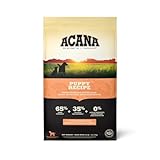
8. ACANA Grain Free Dry Dog Food Puppy Recipe 25lb Bag
Overview:
This 25-pound bag of ACANA Grain-Free Puppy Recipe offers the same premium nutrition as its smaller counterpart but with significant cost savings for committed owners. The formula maintains its 65% high-quality animal ingredients from free-run chicken, turkey, and eggs, complemented by 35% wholesome fruits and vegetables. The freeze-dried coating and fish oil-enriched recipe support both palatability and cognitive development in growing puppies.
What Makes It Stand Out:
Beyond the identical nutritional profile to the 4.5-pound bag, this bulk option demonstrates ACANA’s confidence in customer satisfaction. The substantial weight reduction in price per pound makes premium nutrition more accessible long-term. The larger packaging reduces environmental impact from frequent purchases and ensures consistency in your puppy’s diet during crucial growth phases.
Value for Money:
At $3.12 per pound ($77.99 total), this represents a 36% savings compared to the smaller bag’s per-pound rate. For owners already convinced of ACANA’s benefits, this is exceptional value that approaches mid-range brand pricing while maintaining premium ingredients. The upfront investment pays dividends over time, especially for large breed puppies requiring extended feeding.
Strengths and Weaknesses:
Pros include substantial cost savings, reduced shopping frequency, consistent nutrition supply, and the same high-quality formula. Cons involve significant upfront cost, requiring proper storage to maintain freshness, and the risk of food losing potency if not consumed within recommended timeframes. The commitment may be premature for new ACANA users.
Bottom Line:
For owners certain about ACANA’s suitability, this 25-pound bag is the economical choice. The dramatic per-pound savings make premium puppy nutrition financially sustainable without compromising quality.
9. Blue Buffalo Freedom Grain-Free Puppy Dry Dog Food with DHA, Complete & Balanced Nutrition for Puppies, Made in The USA with Natural Ingredients, Chicken & Potatoes, 4-lb Bag

Overview:
Blue Buffalo Freedom Grain-Free Puppy Dry Dog Food delivers complete nutrition in a 4-pound bag, featuring real chicken as the primary ingredient combined with potatoes. This formula includes DHA and ARA for brain and eye development, while exclusive LifeSource Bits provide antioxidant-rich nutrients. Made in the USA with natural ingredients, it excludes chicken by-product meals, corn, wheat, and soy.
What Makes It Stand Out:
Blue Buffalo’s signature LifeSource Bits—a precise blend of vitamins, minerals, and antioxidants—sets this apart from competitors. The inclusion of both DHA and ARA specifically targets puppy neural development more comprehensively than DHA alone. The brand’s widespread availability and veterinary endorsement provide confidence. Real chicken as the first ingredient ensures quality protein sourcing that discerning owners demand.
Value for Money:
At $5.00 per pound ($19.98 total), this commands a premium price. However, Blue Buffalo’s reputation for quality control and the specialized puppy formulation justify the investment. The 4-pound bag serves as an economical trial size, though frequent purchases for larger breeds increase long-term costs. Compared to other premium puppy foods, it remains competitively priced.
Strengths and Weaknesses:
Pros include high-quality chicken protein, comprehensive developmental support, antioxidant system, and strict exclusion of common allergens. Cons feature the premium price, small bag size limiting value, and some puppies selectively eating around the LifeSource Bits. The grain-free formulation remains controversial among some veterinarians.
Bottom Line:
This is a trustworthy, scientifically-formulated puppy food from an established brand. Ideal for owners seeking proven quality and specific developmental support, though larger bags offer better value for long-term feeding.
10. Nature’s HUG Hypoallergenic Dry Dog Food for Puppy Toy & Small Breeds – Complete & Balanced Nutrition, Sensitive Stomach Support, High-Protein, Grain Free – 5lb

Overview:
Nature’s HUG Hypoallergenic Dry Dog Food targets toy and small breed puppies with an innovative, sustainable formula. This 5-pound bag features dry yeast as its primary protein source—a complete protein containing all essential amino acids while producing significantly less CO2 than animal agriculture. The Opti Biom blend of prebiotics, probiotics, and postbiotics supports microbiome health through sustained-release technology.
What Makes It Stand Out:
The revolutionary yeast protein represents a breakthrough in sustainable pet nutrition, offering a true alternative for environmentally-conscious owners. The SRT microencapsulation technology ensures viable probiotics reach the intestine, a common failure point in standard pet foods. Specifically formulated for toy and small breeds, the kibble size and nutrient density match their unique metabolic needs. The GMO-free, hormone-free commitment exceeds many natural brand standards.
Value for Money:
At $0.37 per ounce ($5.98 per pound), this is premium-priced but reflects its specialized nature. For puppies with severe protein allergies or owners prioritizing sustainability, the cost is justified. Traditional novel protein diets (like kangaroo or venison) often cost more, making this competitively positioned within the hypoallergenic category.
Strengths and Weaknesses:
Pros include truly hypoallergenic protein, environmental sustainability, advanced microbiome support, and breed-specific formulation. Cons involve the premium price, limited retail availability, and skepticism from traditionalists about non-meat proteins. The yeast-based flavor may not appeal to all puppies initially.
Bottom Line:
An exceptional choice for toy and small breed puppies with sensitivities or for eco-conscious owners. The science-backed formulation justifies its premium status, though traditional owners may prefer conventional proteins.
Understanding AAFCO Standards for Puppy Nutrition
What AAFCO Certification Actually Means
AAFCO doesn’t approve, test, or certify pet foods directly—a common misconception that brands often exploit in their marketing. Instead, this non-profit organization establishes nutritional adequacy standards that manufacturers must meet through either feeding trials or formulation analysis. When you see “formulated to meet AAFCO nutrient profiles for growth” on a vegan puppy food label, it means the manufacturer has analyzed the recipe to ensure it contains the minimum (and sometimes maximum) levels of 40+ essential nutrients established for puppies.
The gold standard, however, is the feeding trial method, indicated by language like “animal feeding tests using AAFCO procedures substantiate that this product provides complete and balanced nutrition for growth.” This means the food was actually fed to puppies for 10 weeks, and they maintained health, growth, and appropriate blood values. For vegan puppy foods, this distinction is crucial—formulation analysis tells you what’s on paper, while feeding trials prove biological availability and real-world efficacy.
Growth vs. All Life Stages Formulas
Puppy-specific formulas fall into two AAFCO categories: “growth” (for puppies and pregnant/lactating females) and “all life stages.” While both can support puppies, they’re not created equal. Growth formulas are precisely calibrated for development, whereas all life stages foods must meet the nutritional needs of every life stage, which often means they’re more nutrient-dense than necessary for adult maintenance.
For large and giant breed puppies, there’s an additional critical consideration: AAFCO distinguishes between foods for “growth” and “growth of large breed dogs (70 lbs or more as an adult).” Large breed formulas must have controlled calcium levels (between 1.2-1.8% dry matter) and a specific calcium-to-phosphorus ratio to prevent developmental orthopedic diseases. Few vegan puppy foods currently offer large breed-specific formulations, making label scrutiny essential.
The Science Behind Vegan Puppy Diets
Can Puppies Thrive on Plant-Based Nutrition?
The scientific literature on vegan diets for puppies is still emerging, but what exists is promising when diets are properly formulated. A landmark 2022 study published in BMC Veterinary Research found that puppies fed a nutritionally complete vegan diet showed no significant differences in growth rates, body condition scores, or blood chemistry compared to those fed traditional meat-based diets. The key phrase here is “nutritionally complete”—the study explicitly noted that deficiencies occurred in homemade or poorly formulated commercial diets.
Dogs, unlike cats, aren’t obligate carnivores. They’ve evolved alongside humans for 15,000+ years, developing enhanced amylase production and the ability to digest starches efficiently. Their protein and amino acid requirements are metabolic, not source-specific. This means a puppy’s body doesn’t care whether lysine comes from chicken or lentils, as long as it’s bioavailable and in the correct amount. The challenge lies in achieving this completeness without animal ingredients.
Key Nutritional Differences from Adult Dog Food
Puppy formulas require significantly higher protein levels (minimum 22.5% dry matter for growth vs. 18% for adult maintenance) and elevated fat content for energy and brain development. They also need precise mineral ratios, particularly calcium and phosphorus, that support bone growth without causing abnormalities. The caloric density is typically higher—puppies need roughly twice the calories per pound of body weight as adult dogs.
For vegan formulations, these elevated requirements create unique challenges. Plant proteins often have lower digestibility than animal proteins, meaning vegan puppy foods may need even higher protein percentages on the label to achieve the same metabolic impact. Additionally, the omega-3 fatty acids DHA and EPA, critical for neural development, are typically sourced from fish oil in conventional diets. Vegan alternatives must use algae-derived omega-3s, which are more expensive but equally effective when properly stabilized.
Essential Nutrients in Vegan Puppy Formulas
Protein Quality and Amino Acid Profiles
Protein quantity means nothing without quality. Vegan puppy foods must provide all ten essential amino acids in the correct ratios, with particular attention to methionine, lysine, and taurine. While dogs can synthesize taurine, certain breeds (like Golden Retrievers) are predisposed to deficiency, and plant-based diets may increase this risk.
Look for foods that combine complementary proteins—pea protein with rice protein, for example—to create a complete amino acid profile. The protein digestibility-corrected amino acid score (PDCAAS) should be available from the manufacturer; a score of 100 indicates optimal quality. Be wary of foods that rely heavily on single plant protein sources or use primarily whole legumes without protein concentrates, as these may not meet requirements for growth.
The Critical Role of DHA and EPA
Docosahexaenoic acid (DHA) and eicosapentaenoic acid (EPA) are non-negotiable for puppy brain, eye, and immune system development. While adult dogs can convert ALA from flaxseed into these long-chain omega-3s, puppies have limited conversion capacity. Quality vegan puppy foods must include pre-formed DHA and EPA from marine algae.
The AAFCO minimum for ALA is 0.08% on a dry matter basis, but this doesn’t guarantee adequate DHA/EPA levels. Reputable vegan brands will explicitly state their DHA content, typically aiming for 0.01-0.02% DHA minimum. If a label lists “flaxseed oil” as the only omega-3 source without algae-derived DHA, it’s insufficient for optimal puppy development.
Calcium-Phosphorus Ratios for Growing Bones
The calcium-to-phosphorus ratio in puppy food must fall between 1:1 and 2:1, with absolute calcium levels carefully controlled. Too much calcium—common in diets heavy on certain leafy greens or bone meal substitutes—can lead to developmental orthopedic disease in large breeds. Too little, and you risk rickets and poor bone mineralization.
Vegan formulas typically use calcium carbonate or calcium phosphate supplements rather than bone meal. The challenge is ensuring these minerals are properly balanced and bioavailable. Look for foods that have undergone AAFCO feeding trials specifically, as this validates that the calcium and phosphorus are being absorbed and utilized correctly in growing puppies.
Vitamin B12 and Other Supplementation Needs
Vitamin B12 is the one nutrient that cannot be obtained from plant sources in adequate amounts. All vegan puppy foods must include a supplemental B12 source, typically cyanocobalamin. But B12 is just the start. Vitamin D3 (cholecalciferol) in vegan diets must be derived from lichen rather than lanolin, and vitamin A must be provided as preformed retinol, as puppies cannot efficiently convert beta-carotene.
Other critical supplements include L-carnitine for heart health, taurine for certain breeds, and iron in a highly bioavailable form like ferrous sulfate. The mineral chelation matters too—proteinates and amino acid chelates are more absorbable than inorganic oxides or sulfates. A transparent manufacturer will provide detailed information about their supplementation strategy.
Debunking Myths About Vegan Puppies
The Protein Myth
The most persistent myth is that puppies need meat for protein. This confuses source with substance. Puppies need specific amino acids in specific amounts, not “meat.” High-quality plant proteins can absolutely meet these needs when properly formulated. The myth persists because many early vegan dog foods were poorly balanced, leading to deficiency cases that were incorrectly attributed to the plant-based nature rather than the formulation quality.
Modern vegan puppy foods using protein isolates, precise amino acid supplementation, and enhanced processing techniques can achieve protein quality equal to or exceeding many meat-based diets. The key is looking beyond the marketing claims to the actual nutritional analysis and feeding trial data.
The “Dogs Are Carnivores” Argument
While wolves are carnivores, dogs are distinct species that have co-evolved with humans, developing significant genetic adaptations for starch digestion. Research published in Nature identified multiple copies of the amylase gene in domestic dogs, allowing them to digest carbohydrates far more efficiently than wolves. Puppies inherit these adaptations from birth.
This doesn’t make dogs omnivores in the human sense, but rather opportunistic carnivores with enhanced metabolic flexibility. Their nutrient requirements remain specific and non-negotiable, but the source of those nutrients can be flexible. The argument against vegan puppy food should rest on formulation quality, not evolutionary dogma.
How to Evaluate Vegan Puppy Food Labels
Decoding the Guaranteed Analysis
The guaranteed analysis provides minimum percentages for crude protein and fat, and maximums for fiber and moisture—but these numbers can be misleading. A food showing 28% protein might seem adequate, but if that protein comes from low-digestibility sources, the actual metabolizable protein could be insufficient. Always request the “as-fed” and “dry matter” conversions from the manufacturer.
More importantly, the guaranteed analysis doesn’t show amino acid levels, mineral specifics, or vitamin content. Reputable vegan brands will provide a complete typical analysis upon request. If a company is unwilling to share detailed nutritional data, consider that a major red flag. Transparency is non-negotiable when you’re feeding a developing puppy.
Ingredient Quality Indicators
Ingredient lists are written in descending order by weight, but this can be manipulated. Whole peas contain moisture, making them appear higher on the list than pea protein concentrate, even though the concentrate provides more actual protein. Look for specific, named ingredients: “pea protein” is better than “plant protein product,” and “whole grain brown rice” is superior to “cereal grains.”
The first five ingredients should include at least two concentrated protein sources (isolates or meals) and a specific fat source like “canola oil” or “coconut oil.” Avoid vague terms like “vegetable oil” or “animal digest equivalent.” For vegan foods, ensure the ingredient list doesn’t hide animal-derived nutrients in the vitamin premix—some D3 still comes from lanolin, and some fatty acids from fish.
Red Flags to Avoid
Beware of vegan puppy foods that emphasize “whole food ingredients” over nutritional completeness. While whole foods are great for humans, puppies need nutrient density that only concentrates and supplements can provide in a plant-based format. Foods that list primarily whole legumes, grains, and vegetables without protein isolates likely can’t meet growth requirements.
Other red flags include: no mention of algae-derived DHA, reliance on flax as the sole omega-3 source, absence of explicit B12 supplementation, calcium levels above 2.0% for large breeds, and companies that can’t provide digestibility data. Also avoid brands that make ethical claims without backing them with nutritional evidence—compassion must be paired with science when feeding a growing puppy.
Transitioning Your Puppy to a Vegan Diet
The Gradual Switch Method
Never abruptly change a puppy’s diet. Their digestive systems are still developing, and sudden shifts can cause diarrhea, dehydration, and nutrient malabsorption. The transition should take 10-14 days minimum. Start with 75% old food and 25% new vegan food for 3-4 days, then move to 50/50, then 25/75, monitoring stool quality throughout.
For puppies under 16 weeks, consider an even slower transition of 3-4 weeks. Their gut microbiome is still establishing, and gradual changes allow beneficial bacteria to adapt. During transition, maintain consistent feeding times and avoid introducing other new foods or treats. If you’re adopting a puppy already eating a meat-based diet, ask the breeder or shelter to provide a week’s supply of their current food to ensure a smooth changeover.
Monitoring Digestive Health During Transition
Stool quality is your best real-time indicator of how the transition is progressing. Ideal puppy stool should be firm, chocolate-brown, and easy to scoop. Soft stools or diarrhea indicate the transition is too fast or the food isn’t agreeing with your puppy. Constipation suggests inadequate fiber or hydration.
Watch for changes in appetite, energy levels, and coat condition. Some puppies experience temporary gas or mild bloating as their gut adjusts to higher fiber levels common in vegan diets. This usually resolves within 1-2 weeks. If digestive issues persist beyond 10 days or are severe (vomiting, bloody stool, lethargy), consult your veterinarian immediately and consider slowing the transition further.
Homemade vs. Commercial Vegan Puppy Food
Risks of DIY Puppy Diets
The internet is full of homemade vegan dog food recipes, but virtually none are appropriate for puppies. Creating a nutritionally complete growth diet requires precise calculations of amino acids, minerals, vitamins, and fatty acids that even most veterinary nutritionists struggle to perfect. The margin for error is microscopic, and the consequences of deficiency are permanent.
Puppies have died from taurine-deficiency cardiomyopathy, calcium-phosphorus imbalances causing bone deformities, and B12 deficiency leading to irreversible nerve damage. These tragedies occurred not because the diets were vegan, but because they were incomplete. Unless you’re working with a board-certified veterinary nutritionist who specializes in plant-based formulations and provides detailed, calculated recipes with specific supplements, homemade vegan puppy food is reckless.
Why Commercial Formulations Are Safer
Commercial vegan puppy foods undergo formulation analysis, feeding trials, and quality control testing that homemade diets cannot replicate. Reputable manufacturers employ animal nutritionists, conduct digestibility studies, and adjust formulations based on peer-reviewed research. They also have the resources to source specialized ingredients like algae DHA and lichen-based vitamin D3 in forms that are stable and bioavailable.
The processing methods matter too. Extrusion, despite its reputation, can increase the digestibility of plant proteins and starches, making nutrients more available to puppies. Commercial foods are also fortified with precisely measured supplements that maintain stability through the shelf life—something impossible to guarantee when mixing supplements at home.
Breed-Specific Considerations
Large Breed vs. Small Breed Requirements
Small breed puppies (under 20 lbs adult weight) have faster metabolisms and higher energy needs per pound than large breeds. They also reach maturity sooner—sometimes by 9-10 months. Small breed vegan puppy foods should be calorie-dense with smaller kibble sizes to prevent hypoglycemia and support their rapid growth phase.
Large breed puppies (50-70 lbs adult weight) grow for 12-18 months and are prone to developmental orthopedic diseases if calcium and calories are excessive. Their vegan food must be less calorie-dense per cup and strictly control calcium at 1.2-1.8% dry matter. Unfortunately, most vegan puppy foods are formulated for “all life stages” or small/medium breeds, putting large breed puppies at risk if portion control isn’t meticulous.
Special Needs for Giant Breeds
Giant breed puppies (over 70 lbs adult weight) are the most challenging to feed vegan. Their growth period extends to 18-24 months, and they’re exquisitely sensitive to calcium excess. A Great Dane puppy eating a standard vegan puppy food could easily consume dangerous calcium levels if fed for growth.
Currently, no vegan puppy foods are specifically formulated and tested for giant breeds. If you’re committed to raising a giant breed puppy on a plant-based diet, you must work with a veterinary nutritionist to create a custom plan, likely involving a base vegan food with precise supplementation and careful monitoring of growth rate and bone development through regular radiographs.
Monitoring Your Vegan Puppy’s Health
Growth Rate Benchmarks
Your puppy should gain weight consistently but not excessively. Large breed puppies should grow slowly and steadily—rapid growth increases orthopedic disease risk. Use a growth chart specific to your breed and track weight weekly. Your puppy should maintain a body condition score of 4-5 out of 9, with a visible waist and palpable ribs under a thin fat layer.
If your puppy is growing too quickly, you may need to reduce portions even if you’re feeding the recommended amount. If growth is stunted, the food may not be digestible enough, or portions may be insufficient. Vegan diets are often less calorie-dense than meat-based foods, so you may need to feed larger volumes to meet energy needs.
Key Blood Work Indicators
Baseline blood work is essential when starting a vegan diet. Request a complete blood count, chemistry panel, taurine level, and B12 level from your veterinarian. Recheck these values at 6 months, 12 months, and annually thereafter. Pay particular attention to:
- Taurine: Should be >200 nmol/mL whole blood. Deficiency can cause dilated cardiomyopathy.
- B12: Should be >300 pg/mL. Deficiency causes anemia and neurological issues.
- Calcium and Phosphorus: Should be in normal range with appropriate ratio.
- Albumin: Low levels can indicate inadequate protein quality or quantity.
- CBC: Checks for anemia from B12, iron, or protein issues.
Physical Signs of Nutritional Health
Beyond the scale and blood work, observe your puppy daily. A healthy vegan puppy should have bright eyes, a shiny coat, clean ears, and boundless energy appropriate for their age. The coat is particularly telling—dullness, excessive shedding, or dry skin can indicate essential fatty acid deficiency or poor protein quality.
Dental health is another indicator. Puppy teeth should be white and clean. Bad breath or tartar buildup at a young age can suggest digestive issues or nutritional imbalances. Energy levels should be high but focused; hyperactivity followed by crashes may indicate blood sugar fluctuations from inadequate calories or poor carbohydrate quality.
Common Challenges and Solutions
Picky Eating Strategies
Some puppies resist vegan food initially, especially if they’re accustomed to meat-based diets. Enhance palatability by adding warm water to release aromas, or a small amount of low-sodium vegetable broth. Avoid adding human foods that could unbalance the diet. Some brands offer flavor enhancers specifically designed for their formulas.
If your puppy refuses food for more than 24 hours, consult your veterinarian. While healthy dogs can skip meals, puppies under 6 months are vulnerable to hypoglycemia. Never force-feed or create mealtime battles. Sometimes switching to a different vegan brand with a different protein base or texture resolves the issue.
Digestive Upset Remedies
Increased fiber in vegan diets can cause gas or loose stools initially. A high-quality probiotic supplement specifically for puppies can help establish a healthy gut microbiome. Pumpkin puree (not pie filling) can firm up stools, but use sparingly—too much can unbalance the calcium-phosphorus ratio.
If diarrhea persists beyond the transition period, the food may be too high in fiber or contain ingredients your puppy doesn’t tolerate well. Some puppies do better with grain-free formulas, others with grains. Keep a food diary tracking ingredients and symptoms to identify patterns. Persistent digestive issues warrant veterinary investigation for food sensitivities or other health problems.
Energy Level Concerns
Vegan diets can be less calorie-dense than meat-based foods. If your puppy seems lethargic, you may need to increase portion sizes by 10-15% above the feeding guide. Conversely, if your puppy is hyperactive and then crashes, the carbohydrate sources may be causing blood sugar spikes. Look for foods with lower glycemic index ingredients like oats or barley rather than white rice or potatoes.
Energy levels should stabilize 2-3 weeks after full transition. If they don’t, or if your puppy seems unusually tired, weak, or uncoordinated, seek immediate veterinary care. These could be signs of B12 deficiency, taurine deficiency, or other serious nutritional issues that require prompt intervention.
Consulting with Veterinary Professionals
Finding a Plant-Based Nutrition-Knowledgeable Vet
Not all veterinarians support vegan diets, and some may be openly hostile. This doesn’t necessarily reflect nutritional science—it often stems from seeing preventable deficiencies from poorly executed homemade diets. Seek a veterinarian with specific expertise in plant-based nutrition or at least an open-minded, evidence-based approach.
The Plant-Based Veterinary Association maintains a directory of veterinarians knowledgeable about vegan pet diets. When interviewing potential vets, ask about their experience monitoring plant-based puppies, what specific blood work they recommend, and how they handle potential deficiencies. A good vet will focus on nutritional adequacy and monitoring rather than ideology.
Questions to Ask Your Veterinarian
Come prepared to appointments with specific questions: What growth rate should I target for my breed? How often should we monitor blood work? What’s your protocol if taurine levels are low? Can you help me interpret the manufacturer’s typical analysis? Do you have other clients successfully raising vegan puppies?
Request a referral to a board-certified veterinary nutritionist if your vet seems uncertain. The extra cost is minimal compared to the expense of treating a deficiency-related disease. Bring the complete nutritional information from your chosen food, including digestibility data if available. Your vet can’t provide informed guidance without complete information.
The Environmental and Ethical Impact
Carbon Pawprint Considerations
Raising a puppy on a plant-based diet dramatically reduces their environmental impact. A 2023 study in PLOS ONE calculated that a medium-sized dog eating a meat-based diet contributes approximately 770 kg of CO2 equivalent annually—roughly the same as driving a car 1,800 miles. A vegan diet reduces this by 70-85%, primarily by eliminating the resource-intensive production of animal protein.
This reduction comes from multiple sources: lower land use (no grazing or feed crop production for livestock), reduced water consumption, and decreased methane emissions. For environmentally conscious pet parents, this is a significant way to align their companion’s care with their values without compromising health—provided the diet is properly formulated.
Animal Welfare Perspectives
The ethical argument for vegan puppy food extends beyond environmental concerns to the welfare of farm animals. Traditional pet food uses by-products from animals raised in industrial agriculture systems, where welfare standards are often minimal. By choosing vegan food, you’re not supporting these systems.
However, ethical consistency requires ensuring your puppy thrives. An unhealthy puppy suffering from nutritional deficiency is not an ethical victory. The responsibility is to provide excellent care while minimizing harm—a balance that modern, well-formulated vegan puppy foods can achieve when chosen and monitored carefully.
Cost Analysis and Budgeting
Price vs. Nutritional Value
Vegan puppy foods typically cost 20-40% more than conventional premium puppy foods, reflecting the higher cost of plant protein isolates, algae DHA, and specialized supplements. A 30-pound bag might range from $60-90, feeding a medium-sized puppy for 3-4 weeks. However, price alone doesn’t indicate quality.
A cheaper vegan food that cuts corners on DHA or uses lower-quality protein may cost less upfront but could lead to expensive health problems. Conversely, the most expensive option isn’t automatically best. Evaluate cost per nutrient rather than cost per pound. Calculate the daily feeding cost based on your puppy’s needs and compare that to the nutritional guarantees and feeding trial data.
Long-term Health Cost Savings
Proper nutrition in puppyhood prevents expensive diseases later. Hip dysplasia surgery can cost $3,000-7,000 per hip. Dilated cardiomyopathy from taurine deficiency requires lifelong medication and monitoring costing $100-300 monthly. Nutritional rickets requires intensive veterinary treatment.
Investing in a premium, well-researched vegan puppy food that prevents these issues is economically sound. Additionally, plant-based diets are associated with lower rates of certain cancers, obesity, and allergies in adult dogs, potentially reducing lifetime veterinary costs. The key is viewing the higher upfront food cost as insurance against future medical expenses.
Frequently Asked Questions
Is vegan puppy food really safe for all breeds?
Vegan puppy food can be safe for most breeds when properly formulated and monitored, but giant breeds present unique challenges. No current vegan foods are specifically formulated for giant breed growth, requiring veterinary supervision and likely custom supplementation. Small and medium breeds have more options and generally do well on quality vegan puppy foods that meet AAFCO growth standards.
How do I know if a vegan puppy food truly meets AAFCO standards?
Look for the exact AAFCO statement on the label: either “formulated to meet AAFCO nutrient profiles for growth” or the feeding trial language. Then contact the manufacturer for their typical analysis and feeding trial data. Reputable companies will provide detailed nutrient profiles, including amino acid levels, mineral content, and fatty acid analysis. If they’re evasive, choose another brand.
What’s the biggest risk of feeding my puppy a vegan diet?
The biggest risk is nutritional deficiency from incomplete formulation, particularly taurine deficiency leading to cardiomyopathy, or inadequate DHA affecting brain development. These risks are eliminated by choosing foods that have passed AAFCO feeding trials and monitoring blood work regularly. The danger isn’t the plant-based nature—it’s poor formulation.
Will my vegan puppy grow slower than meat-fed puppies?
Properly formulated vegan diets support normal growth rates. The 2022 BMC study found no significant growth differences. If your puppy is growing slower than breed standards, either the food isn’t digestible enough, portions are insufficient, or there’s an underlying health issue. Consult your veterinarian and consider increasing portions by 10-15%.
Do vegan puppies need supplements beyond their food?
A quality commercial vegan puppy food should contain all necessary nutrients. However, some veterinarians recommend additional taurine supplementation for at-risk breeds, and probiotics can support digestive health during transition. Never add supplements without veterinary guidance, as this can create dangerous nutrient imbalances.
How much more expensive is vegan puppy food?
Expect to pay 20-40% more than conventional premium puppy food, roughly $60-90 for a 30-pound bag. Calculate daily feeding cost based on your puppy’s weight and the food’s caloric density. While more expensive upfront, preventing nutritional diseases saves significant money long-term.
Can I mix vegan and meat-based foods for my puppy?
Mixing diets dilutes the precision of both formulations and can unbalance nutrients. If you’re not ready to commit to 100% vegan, it’s better to feed a high-quality conventional puppy food until you can transition fully. Partial vegan feeding doesn’t achieve ethical goals and may compromise nutritional adequacy.
What if my veterinarian opposes vegan diets?
Seek a second opinion from a veterinarian with plant-based nutrition expertise. The Plant-Based Veterinary Association directory is a good resource. A knowledgeable vet will focus on nutritional adequacy and monitoring rather than ideology. If your current vet is hostile but you value their relationship, ask for a referral to a veterinary nutritionist.
Are there any success stories of dogs raised vegan from puppyhood?
Yes, numerous dogs have thrived on vegan diets from puppyhood, including Bramble, a Border Collie who lived to 27 on a plant-based diet. Modern studies and anecdotal evidence from responsible breeders and pet parents show normal growth, longevity, and health when diets are properly formulated. The key is always nutritional completeness, not the protein source.
How long should my dog eat puppy food on a vegan diet?
Follow the same guidelines as conventional diets: small breeds until 9-12 months, medium breeds until 12 months, large breeds until 12-18 months, and giant breeds until 18-24 months. The transition to adult vegan food should be gradual over 1-2 weeks. Some vegan brands offer “all life stages” formulas, but puppy-specific formulas are preferable during the growth phase for optimal nutrient levels.