Watching your dog suffer through relentless itching, chronic ear infections, or gastrointestinal distress is heart-wrenching. You’ve finally taken the gold-standard approach: an elimination diet prescribed by your veterinarian. You’re meticulously measuring novel protein kibble, scrubbing food bowls, and training family members about the “no table scraps” rule. But here’s the question that keeps you up at night—what about treats? That tiny reward during training, the bedtime biscuit, the chewy distraction while you leave for work… could these seemingly insignificant morsels be sabotaging your entire elimination diet?
The uncomfortable truth is that treats represent the most common point of failure in canine elimination diet trials. While pet owners religiously adhere to prescription diets, they often underestimate the impact of treats, dental chews, and even flavored medications. A single conventional treat can contain a dozen potential allergens, instantly invalidating weeks of strict dietary management. This guide dives deep into the science, strategy, and emotional nuances of selecting truly hypoallergenic treats that support—not undermine—your dog’s elimination diet journey.
Top 10 Hypoallergenic Dog Treats for Elimination Diets
Detailed Product Reviews
1. Hill’s Prescription Diet Hypoallergenic Dog Treats, Veterinary Diet, 12 oz. Bag
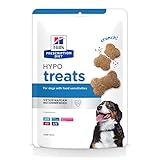
Overview: Hill’s Prescription Diet Hypoallergenic Dog Treats provide a scientifically formulated option for dogs suffering from food sensitivities and dermatological issues. Developed by Hill’s nutritionists and veterinarians, these 12-ounce treats utilize hydrolyzed protein technology to minimize adverse reactions while delivering skin-nourishing benefits through enhanced omega fatty acids.
What Makes It Stand Out: The treats feature clinically proven hydrolyzed protein that breaks down amino acids into non-reactive components, effectively eliminating allergic triggers. The strategic inclusion of omega-3 and omega-6 fatty acids, combined with antioxidants, specifically supports skin barrier function and coat health—addressing both gastrointestinal and dermatological manifestations of food sensitivities in one specialized formulation.
Value for Money: Priced at $13.81 ($18.41 per pound), these prescription treats command a premium. The cost reflects veterinary research, specialized manufacturing, and clinical efficacy. For dogs requiring strict elimination diets, this investment prevents costly allergic flare-ups and veterinary visits, making it economically sensible despite the higher upfront price compared to conventional treats.
Strengths and Weaknesses: Strengths include veterinary development, genuine hydrolyzed protein technology, dual skin and digestive support, and seamless integration with Hill’s d/d, i/d, z/d, and Derm Complete diets. Weaknesses include the high price point, limited palatability for some dogs, prescription requirement restricting accessibility, and the 12-ounce bag size which may be small for multi-dog households.
Bottom Line: These treats are indispensable for managing food-allergic dogs on compatible Hill’s prescription diets. While expensive and requiring veterinary authorization, they offer unmatched safety and therapeutic benefits. Ideal for maintaining training rewards and bonding moments without compromising strict dietary protocols.
2. Purina Pro Plan Veterinary Diets Gentle Snackers Hydrolyzed Plus Low Fat Dog Treats - 8 oz. Pouch

Overview: Purina Pro Plan Veterinary Diets Gentle Snackers deliver a dual-action solution for dogs requiring both hydrolyzed protein for sensitivities and reduced fat content for weight management. This 8-ounce pouch provides crunchy, palatable treats specifically engineered for canine digestive and metabolic health challenges.
What Makes It Stand Out: The combination of hydrolyzed protein and low-fat formulation in a single treat is relatively uncommon, addressing two distinct health concerns simultaneously. The single hydrolyzed protein source minimizes allergen exposure while the low-fat profile supports dogs on weight loss protocols or with fat intolerance, making it exceptionally versatile for complex medical cases.
Value for Money: At $11.99 ($23.98 per pound), these treats represent a significant investment. The premium reflects specialized veterinary formulation and dual-function design. While costlier than standard treats, they eliminate the need for separate products for dogs with multiple dietary restrictions, potentially offering savings through consolidated purchasing and reduced risk of dietary complications.
Strengths and Weaknesses: Strengths include the innovative low-fat/hydrolyzed protein combination, single protein source transparency, appealing crunchy texture, and suitability for sensitive stomachs. Weaknesses include the extremely high per-pound cost, small 8-ounce pouch size requiring frequent repurchase, limited availability through veterinary channels, and potential palatability issues for dogs preferring softer treats.
Bottom Line: Gentle Snackers excel for dogs with concurrent food sensitivities and weight management needs. Despite the premium price and limited quantity, their specialized dual formulation provides clinical benefits that justify the cost. Best suited for single-dog households where precise dietary control is paramount.
3. Hill’s Prescription Diet Original Dog Treats, Veterinary Diet, 11 oz. Bag
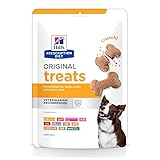
Overview: Hill’s Prescription Diet Original Dog Treats serve as a complementary reward system for dogs under comprehensive veterinary care. These 11-ounce treats prioritize cardiovascular and renal health through low sodium content while supporting weight management with reduced calories, making them suitable for dogs with multiple age-related concerns.
What Makes It Stand Out: The broad compatibility across eleven Hill’s prescription diets (b/d, c/d, g/d, h/d, i/d Low Fat, j/d, k/d, k/d Mobility, r/d, w/d) distinguishes these treats as uniquely versatile. The low sodium formulation specifically addresses heart and kidney disease management—a critical feature rarely emphasized in conventional treat products.
Value for Money: Priced at $11.99 ($17.44 per pound), these treats offer reasonable value within the prescription category. The cost aligns with specialized formulation requirements while remaining accessible for long-term use. For dogs requiring chronic cardiac or renal support, the price represents a modest premium over standard treats for significant health benefits.
Strengths and Weaknesses: Strengths include low sodium content for organ health, low-calorie design for weight maintenance, natural ingredient composition, USA manufacturing, and exceptional compatibility across Hill’s therapeutic diets. Weaknesses involve the prescription requirement limiting accessibility, lack of protein modification for allergic dogs, and the 11-ounce bag size which may be insufficient for larger breeds or frequent training.
Bottom Line: These treats are an excellent choice for dogs on Hill’s prescription diets requiring cardiac or renal support. While not suitable for dogs with protein allergies, they provide a safe, health-conscious reward option that aligns with therapeutic nutritional goals. Recommended for senior dogs and those with chronic health conditions.
4. BRUTUS & BARNABY Sweet Potato Dog Treats – Support Sensitive Stomachs with USA-Grown, Hypoallergenic Treats That Smell as Good as They Taste

Overview: BRUTUS & BARNABY Sweet Potato Dog Treats offer a minimalist, farm-to-bag approach for dogs with severe food sensitivities. These single-ingredient treats utilize exclusively North Carolina-grown sweet potatoes, providing a naturally hypoallergenic option free from fillers, glycerin, and preservatives in a value-priced package.
What Makes It Stand Out: The complete supply chain control—from USA farm to FDA-registered, SQF-certified facility—ensures unprecedented quality assurance. The whole, fresh sweet potato preparation (never reconstituted) preserves natural nutrients while the thicker slice design provides satisfying chew resistance. The availability of a soft-chew variant demonstrates thoughtful consideration for different life stages and dental capabilities.
Value for Money: At $12.99 ($1.62 per ounce, or $25.92 per pound), these treats command premium pricing. The cost reflects domestic sourcing, rigorous quality control, and single-ingredient purity. While expensive compared to multi-ingredient alternatives, the price is justified for owners seeking absolute ingredient transparency and minimal allergen risk.
Strengths and Weaknesses: Strengths include single-ingredient simplicity, USA-exclusive sourcing, no artificial additives, suitability for highly sensitive dogs, and dual texture options. Weaknesses include high per-pound cost, natural texture variation due to seasonal produce, limited nutritional completeness as a treat-only product, and potential overfeeding risk due to palatability. The thicker slices may be challenging for very small dogs.
Bottom Line: These treats are ideal for dog owners prioritizing ingredient purity and domestic sourcing above cost. Perfect for elimination diets and dogs with multiple allergies, though the premium price requires budget consideration. The soft-chew variant makes this brand accessible to seniors and puppies, enhancing its versatility for sensitive dogs across all life stages.
5. Hill’s Grain Free Soft Baked Naturals, All Life Stages, Great Taste, Dog Treats, Beef & Sweet Potato, 8 oz Bag

Overview: Hill’s Grain Free Soft Baked Naturals combine real beef and sweet potato in a soft, grain-free format suitable for dogs of all life stages. These 8-ounce treats prioritize palatability and digestibility while maintaining Hill’s commitment to natural ingredients and veterinary recommendation standards.
What Makes It Stand Out: The soft-baked texture provides an alternative to traditional crunchy treats, benefiting dogs with dental issues, puppies, or seniors with reduced chewing ability. The grain-free formulation addresses consumer preferences while maintaining nutritional balance, and the beef-first ingredient list ensures high protein appeal without common allergens like chicken or grains.
Value for Money: At $8.97 ($17.94 per pound), these treats sit in the mid-range pricing tier. The cost reflects quality ingredients and veterinary brand credibility while remaining competitive with premium grain-free alternatives. The 8-ounce bag size offers an accessible entry point for trial before committing to larger purchases.
Strengths and Weaknesses: Strengths include soft texture for easy chewing, grain-free formulation, real beef as primary ingredient, no artificial preservatives, veterinary recommendation, and all-life-stage suitability. Weaknesses include the 8-ounce bag’s limited quantity for multi-dog homes, potential palatability variability, and unsuitability for dogs with beef protein sensitivities. The grain-free status, while desirable for some, may not provide proven benefits for all dogs.
Bottom Line: These treats offer a versatile, palatable option for owners seeking grain-free, soft-textured rewards. While not specialized for medical conditions, they provide a wholesome alternative to conventional treats. Best suited for households with dogs of varying ages or those preferring soft treats, though beef-sensitive dogs should avoid them.
6. Hypoallergenic Healthy Dog Treats: Plant-Based Vegetarian Dog Snacks w/ Kelp, Sweet Potato, Chia, Flaxseed, Coconut Oil for Skin & Coat, Grain & Gluten-Free Vegan Protein Dog Treats Training, 5 oz

Overview: These premium plant-based dog treats cater to health-conscious pet parents seeking vegetarian alternatives for their canine companions. Formulated with seven superfoods including pea protein, sweet potato, kelp, chia seed, flaxseed, apple cider vinegar, and coconut oil, these grain-free morsels promise comprehensive wellness benefits in a convenient 5-ounce package designed for training and daily rewards.
What Makes It Stand Out: The standout feature is the robust superfood profile targeting skin, coat, and digestive health simultaneously. Unlike conventional treats, these mini veggie jerky strips offer natural beef flavor nodes that appeal to picky eaters while maintaining a completely plant-based, hypoallergenic formula. The inclusion of human food-grade ingredients manufactured in the USA addresses safety concerns many pet owners harbor about foreign-made products.
Value for Money: At $43.68 per pound, these treats command premium pricing. However, the cost reflects the high-quality, human-grade superfood ingredients and domestic manufacturing standards. For dogs with severe protein allergies or owners committed to vegetarian diets, the price premium becomes justifiable compared to veterinary therapeutic diets or specialty allergen-free options.
Strengths and Weaknesses: Strengths include exceptional ingredient transparency, novel protein source for allergy management, low-calorie guilt-free treating, and dual skin-digestive support. The primary weakness is the steep price point that may deter budget-conscious buyers. Additionally, some dogs may not accept the plant-based flavor profile despite meat flavoring attempts, and the small 5oz bag offers limited quantity for multi-dog households.
Bottom Line: Ideal for dogs with protein sensitivities, eco-conscious owners, or those seeking clean-label treats. While expensive, the quality justifies the cost for targeted health needs. Not recommended for owners seeking conventional meat-based treats or those with tight budgets.
7. Pro Plan Veterinary Diets Purina Digestive Health Bites Dog Treat Chews - 16 oz. Pouch

Overview: From the trusted Purina Pro Plan Veterinary Diets line, these soft chews deliver targeted digestive support in a palatable, convenient format. The 16-ounce pouch offers generous quantity for daily treating, while the veterinary-formulated recipe addresses gut health concerns through specialized nutrition that doesn’t compromise on taste or texture.
What Makes It Stand Out: The integration of natural prebiotic fiber distinguishes these treats as functional nutrition rather than simple rewards. Real chicken as the primary ingredient ensures high palatability, while the soft, chewy texture accommodates senior dogs and those with dental issues. The inclusion of immune-supporting vitamins C and E adds another layer of wellness benefits absent in standard treats.
Value for Money: At $15.49 per pound, these treats sit in the mid-range price category, offering excellent value for veterinary-formulated products. The functional digestive benefits essentially provide therapeutic value at treat-level pricing, making them more economical than prescription diets while delivering credible gut health support.
Strengths and Weaknesses: Major strengths include the reputable Purina brand backing, proven prebiotic fiber content, soft texture ideal for training or senior dogs, and absence of artificial additives. The 16-ounce size provides good value. However, the chicken base may trigger allergies in sensitive dogs, and the soft texture might not satisfy dogs preferring crunchy treats. Some owners may find the ingredient list less “natural” compared to boutique brands.
Bottom Line: An excellent choice for dogs with digestive sensitivities or those needing gentle, functional treats. The veterinary formulation provides peace of mind, while the reasonable price point makes daily use feasible. Highly recommended for senior dogs and those requiring digestive support.
8. Smart Cookie All Natural Dog Treats - Rabbit & Pumpkin - Training Treats for Dogs & Puppies with Allergies, Sensitive Stomachs - Soft Dog Treats, Grain Free, Chewy, Human-Grade, Made in USA - 5oz Bag
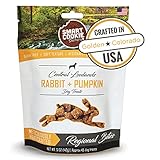
Overview: These premium limited-ingredient treats address the needs of dogs suffering from food sensitivities through a carefully curated rabbit and pumpkin formula. Packaged in a modest 5-ounce bag, these soft, chewy morsels prioritize ingredient simplicity and quality, making them ideal for training and daily rewards for allergy-prone canines.
What Makes It Stand Out: The single-source rabbit protein provides a novel alternative for dogs reactive to common proteins like chicken or beef. Human-grade ingredients sourced from Kansas and Missouri farms ensure exceptional quality control, while the grain-free, limited-ingredient approach minimizes allergen exposure. The soft texture makes them universally suitable for puppies through seniors.
Value for Money: Priced at $38.37 per pound, these treats fall into the premium category. However, the cost reflects the human-grade certification, novel protein sourcing, and small-batch USA manufacturing. For dogs with severe allergies, this premium becomes cost-effective compared to veterinary elimination diets or chronic medication.
Strengths and Weaknesses: Strengths include exceptional ingredient quality, novel protein source, limited ingredient transparency, and versatility for all life stages. The soft texture aids training and suits dental sensitivities. Weaknesses center on the high price per pound and small package size, making them impractical for large breeds or multi-dog homes. Rabbit protein, while novel, may still trigger reactions in some dogs.
Bottom Line: A top-tier choice for dogs with confirmed protein allergies or severe dietary intolerances. The human-grade quality and novel protein justify the investment for targeted health needs. Best suited for small to medium dogs or as specialty treats rather than daily staples for large breeds.
9. SquarePet VFS® Skin and Digestive Support Soft-Baked Treats for Dogs 6oz – Hydrolyzed – Limited Ingredient – All Natural – Made in USA

Overview: SquarePet’s VFS line delivers targeted therapeutic nutrition through hydrolyzed protein technology in a palatable soft-baked format. The 6-ounce package provides limited-ingredient treats specifically engineered for dogs battling both skin and digestive issues, representing a specialized solution for complex dietary sensitivities.
What Makes It Stand Out: Hydrolyzed pork protein undergoes molecular breakdown to virtually eliminate allergic reactions, making this revolutionary for severely affected dogs. The formulation uniquely combines this novel protein with omega-3 and omega-6 fatty acids, including DHA and EPA, addressing dermatological and gastrointestinal health simultaneously. The family-owned brand’s commitment to clean nutrition adds authenticity.
Value for Money: At $11.99 for 6 ounces, the price reflects the specialized hydrolyzed protein processing and therapeutic formulation. While expensive on a per-pound basis, these treats cost significantly less than prescription hydrolyzed diets while delivering similar benefits. For dogs requiring this level of intervention, the price represents reasonable value.
Strengths and Weaknesses: Strengths include the scientifically-advanced hydrolyzed protein, dual-action skin and digestive support, truly limited ingredient list, and soft texture accommodating all life stages. The family-owned USA manufacturing ensures quality control. Weaknesses include the small package size limiting multi-dog use, potential palatability issues with hydrolyzed proteins, and premium pricing that may challenge budget-conscious owners.
Bottom Line: An exceptional choice for dogs with severe food intolerances or IBD requiring hydrolyzed protein therapy. The dual skin-digestive benefits justify the cost for affected animals. Best suited as a specialized therapeutic treat rather than everyday reward for healthy dogs.
10. Fruitables Baked Dog Treats, Healthy Pumpkin Treat for Dogs, Low Calorie & Delicious, Free of Wheat, Corn and Soy, Made in the USA, Apple and Crispy Bacon Flavor, 12oz

Overview: Fruitables delivers an innovative approach to guilt-free treating through pumpkin-based baked biscuits that balance nutrition with indulgence. The 12-ounce bag provides substantial quantity of low-calorie rewards suitable for daily training and treating without disrupting dietary goals, featuring an unexpected apple and crispy bacon flavor profile.
What Makes It Stand Out: The remarkable 8-calorie-per-treat specification allows generous treating without weight gain concerns. The superfood pumpkin base combined with real bacon creates a unique taste sensation that maintains appeal while eliminating common allergens like wheat, corn, and soy. The distinctive flower shape and satisfying crunch provide sensory enrichment beyond standard biscuit treats.
Value for Money: At $7.92 per pound, these treats represent exceptional affordability in the premium treat category. The large 12-ounce bag and low-calorie design permit frequent treating without financial strain, offering better value than many conventional treats while maintaining higher ingredient standards and USA manufacturing.
Strengths and Weaknesses: Strengths include outstanding calorie control, excellent palatability from the bacon addition, allergy-friendly formulation, crunchy texture that promotes dental engagement, and generous package size. The made-in-USA sourcing ensures quality. Weaknesses include the bacon content making them unsuitable for vegetarian diets or certain religious dietary restrictions, crunchy texture incompatible with senior dogs requiring soft treats, and multi-ingredient formulation not ideal for severe allergy management.
Bottom Line: An outstanding everyday treat for healthy dogs of all sizes. The low-calorie design and affordable price make them perfect for training and frequent rewards. Highly recommended for weight-conscious owners seeking quality without compromise, though not suitable for dogs requiring novel protein or soft textures.
Understanding Canine Food Allergies and Elimination Diets
What Is an Elimination Diet?
An elimination diet is a diagnostic tool, not just a dietary change. It involves feeding your dog a strict, controlled diet containing protein and carbohydrate sources your pet has never consumed before—what veterinarians call “novel” ingredients. The goal is to completely remove all potential allergens for a minimum of 8-12 weeks, allowing your dog’s immune system to stop reacting and symptoms to resolve. This isn’t about “healthier” eating; it’s a medical protocol that functions like a scientific experiment where every variable must be controlled.
The diet works by eliminating common allergens like chicken, beef, dairy, wheat, and soy, which account for approximately 90% of food allergy cases in dogs. During the trial, your dog can only consume the prescribed food and specifically approved treats. This creates a “clean slate” that allows your veterinary team to systematically reintroduce ingredients later to identify the exact culprit. The precision required is absolute—think of it as a food allergy courtroom where even trace amounts of evidence can contaminate the entire case.
Why Treats Are the Hidden Culprit in Allergy Management
Most elimination diet failures aren’t caused by the main meals—they’re caused by the extras. Treats, dental chews, table scraps, flavored medications, and even certain supplements can contain microscopic amounts of proteins that trigger your dog’s immune response. A study published in the Journal of Animal Physiology and Animal Nutrition found that over 60% of dogs showed no improvement on elimination diets due to unauthorized treat consumption.
The problem is immunological, not mathematical. Even a treat comprising just 5% of daily caloric intake can contain enough allergenic protein molecules to maintain a hypersensitivity reaction. Your dog’s immune system doesn’t operate on a “majority rules” principle—it responds to the presence of specific protein antigens, regardless of how small the dose. That single wheat-containing biscuit could be the difference between a successful diagnosis and months of continued suffering.
What Makes a Treat Truly Hypoallergenic?
Novel Protein Sources Explained
A truly hypoallergenic treat starts with a novel protein—one your dog’s immune system has never encountered and therefore hasn’t developed antibodies against. However, “novel” is relative to your individual dog’s dietary history. For a dog who’s eaten nothing but chicken kibble their entire life, kangaroo or rabbit might be novel. But for a dog who previously ate a rotational diet with 12 different proteins, finding something truly novel becomes challenging.
The most effective novel proteins are not just uncommon; they’re physiologically distinct. Marsupial proteins (kangaroo), game meats (venison, bison), and certain fish species have amino acid profiles that differ significantly from domestic livestock proteins, reducing cross-reactivity risks. Veterinary dermatologists often recommend proteins from different taxonomic families—moving from mammalian (beef) to avian (duck) to piscine (salmon) to truly novel options like insect protein.
Limited Ingredient Philosophy: Less Is More
The limited ingredient diet (LID) philosophy isn’t a marketing trend—it’s a medical necessity. Each additional ingredient in a treat is another potential allergen and another variable in your controlled experiment. A genuinely hypoallergenic treat should contain no more than 5-7 ingredients, and ideally fewer.
This philosophy extends beyond the obvious components. That “natural flavor” listed on the ingredient panel? It could be hydrolyzed chicken liver. The “mixed tocopherols” used as preservatives? They might be derived from soy. Even the binding agents, like certain starches, can be problematic. The limited ingredient approach means scrutinizing every single component, not just the headline protein source.
Hydrolyzed Proteins: The Science Behind Molecular Size
For dogs with severe, multiple allergies or unknown dietary histories, hydrolyzed protein treats represent the cutting edge of hypoallergenic technology. Hydrolyzation breaks down protein molecules into pieces so small—technically, peptides with molecular weights below 10,000 daltons—that the immune system no longer recognizes them as threats.
Think of it like shredding a wanted poster into confetti; the immune system can’t identify the protein it’s supposed to attack. Prescription hydrolyzed protein diets and treats undergo rigorous testing to ensure they contain no intact protein molecules. However, not all hydrolyzed products are equal. The degree of hydrolyzation matters, as does the source protein. A partially hydrolyzed chicken protein might still contain enough intact molecules to trigger a reaction in a highly sensitive dog.
The Elimination Diet Protocol: Treat Rules You Can’t Ignore
Phase 1: The Strict Elimination Phase
During the initial 8-12 week elimination phase, treat selection follows absolute rules. No deviations, no “just this once,” no exceptions. Your veterinary team should approve every single item that passes your dog’s lips. This includes not just training treats but dental products, pill pockets, and even flavored heartworm preventatives.
The strict phase requires treats made with the exact same protein and carbohydrate sources as the prescription diet. If your dog is eating kangaroo and oat prescription food, treats must be 100% kangaroo and oat—nothing else. Some veterinarians recommend using the kibble itself as treats during this phase, which eliminates risk entirely but can be challenging for training scenarios requiring high-value rewards.
Phase 2: The Rechallenge Phase and Treat Implications
After symptoms resolve, the rechallenge phase begins—this is where you systematically reintroduce individual ingredients to identify the specific allergen. Treats play a crucial role here as controlled test vehicles. Rather than switching the entire diet, you might introduce a single-protein treat (like a duck biscuit) while maintaining the base elimination diet.
This phase requires meticulous record-keeping. You’ll need to track the exact treat introduced, the quantity fed, the date, and any symptoms that emerge within 72 hours. The timing is critical; allergic reactions typically appear between 24-72 hours after exposure. Using treats for rechallenge allows precise identification without disrupting the baseline diet, but it also means you need treats with single, pure ingredients—no blends.
Phase 3: Long-Term Maintenance Treat Selection
Once you’ve identified your dog’s allergens, treat selection becomes about sustainable avoidance. This isn’t temporary—it’s a lifetime commitment. The good news is that you now have a clear roadmap of safe proteins and carbohydrates. The challenge is maintaining vigilance as manufacturers reformulate products or you consider new brands.
Long-term management requires establishing a “safe treat list” with your veterinarian and checking ingredient panels every single time you purchase, even if it’s the same product you’ve bought for months. Manufacturing changes happen without notice, and “new and improved” formulations can introduce hidden allergens.
Key Features to Look for in Hypoallergenic Dog Treats
Single-Protein, Single-Carb Formulas
The gold standard for elimination diet treats is the single-protein, single-carbohydrate formula. This means one animal protein source and one plant-based carbohydrate source—period. No fruits, no vegetables, no herbs, no “superfood” additions. Each additional ingredient is another variable in your controlled experiment.
Look for treats where the protein source is clearly specified, not vague terms like “meat meal” or “animal protein.” The carbohydrate should be equally specific: “sweet potato” not “vegetable starch.” This simplicity serves two purposes: it minimizes allergen exposure and makes identifying the cause of any reaction infinitely easier. If your dog reacts to a treat containing only kangaroo and tapioca, you know exactly where to look.
Manufacturing and Cross-Contamination Concerns
Cross-contamination is the silent killer of elimination diets. A treat might have a perfect ingredient panel but be manufactured on equipment that also processes chicken treats. Even with cleaning protocols, microscopic protein residues can remain. This is why many veterinary nutritionists recommend treats manufactured in dedicated allergen-free facilities or those with stringent segregation protocols.
Look for statements about manufacturing practices. “Made in a facility that also processes…” warnings are red flags during strict elimination phases. Some premium hypoallergenic treat manufacturers use dedicated production lines or even separate facilities for their LID products. Don’t hesitate to contact companies directly to ask about their allergen control protocols—reputable manufacturers will have detailed answers.
The Role of Preservatives and Additives
Preservatives keep treats shelf-stable but can be problematic. Natural preservatives like mixed tocopherols (vitamin E) are generally safer than artificial options like BHA, BHT, or ethoxyquin. However, the source of these preservatives matters. Tocopherols derived from soy could trigger reactions in soy-allergic dogs.
Beyond preservatives, watch for artificial colors, flavors, and binding agents. That appealing brown color might come from caramel coloring derived from wheat. The smoky flavor might be hydrolyzed beef liver. Even “natural smoke flavor” can contain undisclosed protein sources. During elimination diets, opt for treats with no added colors or flavors—the protein itself should provide the palatability.
Texture and Size Considerations for Different Dogs
The physical characteristics of treats matter more than you might think. For dogs with gastrointestinal symptoms, hard, dense treats can be difficult to digest. For aggressive chewers, treats that break into small pieces might pose choking hazards. For training, you need small, low-calorie options that won’t unbalance the carefully controlled diet.
Consider your dog’s specific needs. A Great Dane on an elimination diet needs a different treat strategy than a Yorkie. Large treats can be cut into smaller pieces, but this introduces handling contamination—use clean utensils and surfaces. For dogs with dental issues, softer treats are essential. Some hypoallergenic options come in multiple textures using the same limited ingredients, allowing you to maintain consistency while meeting functional needs.
Protein Sources: Navigating Your Options
Traditional Novel Proteins (Kangaroo, Rabbit, Venison)
Kangaroo has become the poster child for novel proteins, and for good reason. It’s lean, highly digestible, and physiologically distinct from common meats. However, its popularity means some dogs may have been exposed through previous foods, making it less “novel.” Additionally, sustainability and cost concerns have led some manufacturers to seek alternatives.
Rabbit offers similar benefits with a slightly different amino acid profile. It’s often well-tolerated and palatable to most dogs. Venison and bison provide options for dogs needing red meat alternatives, though they’re closer physiologically to beef than marsupial or lagomorph proteins. The key is selecting a protein your specific dog has definitively never eaten—not just what’s trendy in the hypoallergenic market.
Emerging Protein Alternatives (Insect, Aquatic)
Insect protein, particularly from black soldier fly larvae, represents a genuinely novel option for most dogs. It’s sustainable, highly digestible, and the proteins are sufficiently different from traditional livestock to minimize cross-reactivity. Early research shows promising results for dogs with multiple protein allergies. The challenge is palatability—some dogs are hesitant about the taste and smell.
Novel fish species like herring, mackerel, or even carp can serve as options for dogs who’ve eaten common fish like salmon. However, fish allergies do exist, and fish-based treats often contain additional ingredients for binding and preservation. Always verify that the fish is the sole protein and that no chicken or beef broth is used in processing.
Plant-Based Proteins: Are They Appropriate?
Plant-based proteins like pea protein, lentil protein, or chickpea protein are increasingly common in LID treats. They can be viable options for dogs with severe animal protein allergies, but they come with caveats. Plant proteins are less complete amino acid-wise and may be less palatable. More importantly, some dogs allergic to legumes might react to these concentrated plant proteins.
During an elimination diet, plant-based proteins should be approached cautiously. If using them, ensure they’re the sole protein source and that your dog has no history of legume consumption. Some veterinary nutritionists prefer to avoid plant proteins during the diagnostic phase, saving them for maintenance once allergens are identified.
Carbohydrate Considerations in Hypoallergenic Treats
Grain-Free vs. Grain-Inclusive: What’s Actually Relevant?
The grain-free trend has muddied the waters of hypoallergenic diets. Here’s the truth: grains are not inherently more allergenic than other carbohydrates. Wheat is a common allergen, but rice, oats, and barley are relatively rare allergens in dogs. The push for grain-free has more to do with marketing than medical science.
What matters is novelty and simplicity. If your dog has eaten rice-based food their whole life, rice isn’t a suitable carbohydrate for an elimination diet—even if it’s grain-free. Conversely, if your dog has never eaten oats, oat flour can be an excellent hypoallergenic binder. Focus on what your dog hasn’t eaten, not on grain-free ideology.
Novel Carbohydrates: Sweet Potato, Tapioca, and Beyond
Sweet potato has become the darling of LID treats due to its digestibility and palatability. However, its popularity means many dogs have been exposed, reducing its novelty. Tapioca starch (from cassava) offers a truly novel option for most dogs and serves as an excellent binding agent in treats.
Other options include chickpea flour (if legumes are tolerated), pumpkin (for dogs who’ve never had it), and even cricket flour (which provides both protein and carbohydrate). The carbohydrate source should be simple, digestible, and serve a functional purpose—whether as a binder, fiber source, or energy provider. Avoid carbohydrate blends; one novel carb is sufficient and safer.
Reading Labels Like a Veterinary Nutritionist
Decoding “May Contain” Statements
“May contain traces of…” statements are voluntary warnings that indicate potential cross-contamination. During the strict elimination phase, these products must be avoided entirely. The risk isn’t theoretical—studies have detected undeclared proteins in products with these warnings.
However, absence of a warning doesn’t guarantee safety. Manufacturers only include these statements when they believe cross-contamination is possible. A product without the warning might still be made on shared equipment with inadequate cleaning protocols. This is why contacting manufacturers directly about their allergen control measures is essential for dogs on elimination diets.
Understanding Guaranteed Analysis
The guaranteed analysis on treat packaging tells you minimum percentages of protein and fat and maximum percentages of fiber and moisture. What it doesn’t tell you is the quality or digestibility of those proteins. A treat showing 30% protein could contain high-quality novel protein or low-quality plant protein with poor bioavailability.
For elimination diets, focus on treats where the protein percentage aligns with the primary ingredient. If kangaroo is the first ingredient, you’d expect protein to be the dominant macronutrient. Be wary of treats where the protein is high but the ingredient list shows mostly carbohydrates—this suggests concentrated protein additives that might not be disclosed prominently.
The Ingredient Splitting Trick
Ingredient splitting is a labeling tactic where similar ingredients are listed separately to make them appear less prominent. For example, a treat might list “sweet potato, tapioca starch, potato protein” instead of just “carbohydrate sources.” This matters during elimination diets because it obscures the true composition.
If your dog is on a sweet potato-only elimination diet, a treat with both sweet potato and tapioca violates the protocol—even if tapioca is listed far down the ingredient list. Learn to recognize related ingredients: all potato forms, various legumes, multiple grains. The ingredient list should be transparent and simple, not a chemistry experiment in disguise.
Homemade vs. Commercial Hypoallergenic Treats
Pros and Cons of DIY Treats During Elimination Diets
Homemade treats offer ultimate control—you know exactly what goes into them. For the strict elimination phase, this can be invaluable. Simple recipes using the exact protein and carbohydrate from your dog’s prescription diet eliminate cross-contamination risks and hidden ingredients.
However, DIY treats have significant drawbacks. They’re time-consuming to make, have short shelf lives, and may not provide the texture or palatability your dog needs for training. More importantly, using raw ingredients introduces handling risks. If you’re using raw kangaroo meat, you must follow strict food safety protocols to avoid bacterial contamination for both your dog and your family.
When Commercial Options Make More Sense
Commercial hypoallergenic treats offer consistency, convenience, and often better palatability through professional formulation. Reputable manufacturers test their products for cross-contamination and maintain consistent recipes—something that’s crucial when you’re trying to identify allergens.
The key is selecting commercial treats specifically designed for elimination diets, not just “limited ingredient” treats marketed to general consumers. Look for products from companies with veterinary nutritionists on staff, transparent manufacturing information, and batch testing protocols. These treats cost more because they undergo rigorous quality control that homemade options simply can’t match.
Common Mistakes That Derail Elimination Diets
The “Just One Treat Won’t Hurt” Fallacy
This is the most dangerous mindset in elimination diet management. Immunologically, “just one” treat containing an allergen is equivalent to feeding that allergen as a full meal. The immune system doesn’t measure quantity; it responds to presence. A single milk-based treat can trigger a reaction that takes weeks to subside, resetting your entire elimination timeline.
Family members and visitors are often the culprits. That well-meaning neighbor who gives your dog a cheese cube while you’re not looking, or the child who shares their peanut butter sandwich—these moments can invalidate months of strict adherence. Education and vigilance are non-negotiable. Consider putting up signs during the elimination phase: “On Medical Diet—Please Don’t Feed.”
Misinterpreting “Natural” and “Holistic” Marketing Claims
“Natural,” “holistic,” “premium,” and “clean” have no legal definition in pet food labeling and zero relevance to hypoallergenic properties. A “natural” treat can be loaded with common allergens. In fact, many “natural” treats contain multiple protein sources, fruits, vegetables, and herbs that complicate elimination diets.
These marketing terms appeal to human sensibilities but can be dangerous distractions. A treat’s suitability for an elimination diet depends on its specific ingredients and manufacturing controls, not its marketing positioning. Focus on the ingredient panel and guaranteed analysis, not the feel-good claims on the front of the package.
Forgetting About Non-Food Treats and Supplements
During elimination diets, owners often overlook non-food items that can contain allergens. Rawhide chews are typically processed with beef or chicken flavorings. Dental products may contain animal-based enzymes. Even some medications are flavored with chicken or beef hydrolysates.
Fish oil supplements, while beneficial for skin health, must be sourced carefully. Many are derived from salmon or contain mixed fish sources. Probiotic supplements often have chicken or liver flavoring. Even some flea preventatives are beef-flavored. Review every single thing your dog ingests or chews with your veterinarian, not just the obvious food items.
Managing Multi-Dog Households During Elimination Diets
Preventing Cross-Contamination Between Dogs
In multi-dog homes, the dog on the elimination diet faces constant risk from housemates’ food. Shared water bowls can transfer food particles. A dog eating chicken kibble might lick the other dog’s face, transferring allergens via saliva. Crumbs from one dog’s treat can be scavenged by the allergic dog.
Management requires strict protocols. Feed dogs in separate rooms and supervise all eating. Use baby gates to control access. Wash hands between handling different dogs’ foods. Consider having all dogs eat the same elimination diet during the trial period if your veterinarian approves—this eliminates cross-contamination risks entirely, though it’s not always feasible or economical.
Training Strategies When Only One Dog Is on a Diet
Training becomes complicated when you have multiple dogs with different treat allowances. The dog on the elimination diet needs rewards that are safe for them but not confusing for the others. Using the elimination diet kibble as treats for the allergic dog while giving high-value treats to other dogs can create frustration and training setbacks.
Consider training dogs separately during the strict phase. If training together, use treats that all dogs can eat, or use non-food rewards like toys and praise for the allergic dog. Some owners find success using the safe protein (like small pieces of cooked kangaroo) for all dogs during training sessions, then supplementing the non-allergic dogs’ regular diets accordingly to prevent weight gain.
The Psychology of Treat-Giving: Keeping Your Dog Happy
Alternative Reward Systems During Strict Phases
Dogs on strict elimination diets can feel deprived, and owners can feel guilty. This emotional dynamic leads to cheating. The solution is rethinking what constitutes a “treat.” High-value rewards don’t have to be food-based. A favorite toy, a game of tug, a short walk, or enthusiastic praise can be equally reinforcing for many dogs.
For food-motivated dogs, get creative with approved ingredients. If your dog’s elimination diet includes kangaroo and sweet potato, try dehydrating thin slices of sweet potato for chewy treats, or baking kangaroo and sweet potato into homemade biscuits. The novelty of preparation method can increase perceived value. Freeze small portions of the prescription diet canned food for a popsicle-like treat that feels special.
Rebuilding the Treat Bond Post-Diagnosis
Once you’ve identified safe proteins, you can rebuild a more varied treat repertoire. This is where the rechallenge phase pays dividends. If you’ve confirmed that duck and venison are safe, you can now rotate between duck-based and venison-based treats, providing variety without risk.
This phase is about expanding your dog’s safe world while maintaining vigilance. Introduce one new treat type at a time, waiting the full 72-hour reaction window before adding another. Keep a “safe treat bible”—a running list of brands, flavors, and specific products your dog tolerates. This becomes your shopping guide for life, preventing the anxiety of staring at store shelves wondering what’s safe.
Transitioning Off Elimination Diet Treats
How to Safely Reintroduce Variety
After diagnosis, the goal isn’t to keep your dog on a single protein forever—it’s to build a diverse menu of safe options. Start by reintroducing treats made with proteins you tested during rechallenge and confirmed safe. If duck was successfully reintroduced, try duck-based treats with different carbohydrates or textures.
The key is maintaining the same systematic approach. Even with known-safe proteins, introduce new treat brands slowly. Different manufacturing processes, ingredient sourcing, or quality control measures can introduce variables. A duck treat from one manufacturer might be safe while another’s causes issues due to cross-contamination or undisclosed ingredients.
Identifying Personal Tolerance Thresholds
Some dogs aren’t allergic to a protein but have intolerance thresholds. They might tolerate small amounts of a treat containing chicken fat but react to a treat with chicken meal as the primary ingredient. This is where treat selection becomes nuanced and personal.
Work with your veterinarian to identify these thresholds through careful experimentation. Maybe your dog can have treats with “chicken fat (preserved with mixed tocopherols)” but not “chicken meal.” This level of detail matters for long-term quality of life, allowing you to expand treat options while staying within safe boundaries. Keep detailed records of what works and what doesn’t.
Working With Your Veterinary Team
When to Consult a Board-Certified Veterinary Nutritionist
Your primary veterinarian is essential, but complex allergy cases benefit from a board-certified veterinary nutritionist (DACVN). These specialists have completed additional years of training in nutritional biochemistry and can formulate custom elimination diets and treat protocols. They’re invaluable when:
- Your dog has failed multiple elimination diet attempts
- Your dog has concurrent health issues (kidney disease, diabetes) complicating diet selection
- You can’t identify truly novel proteins due to previous varied diet
- You need homemade elimination diet recipes with precise nutrient balancing
A nutritionist consultation typically costs $200-400 but can save thousands in failed diet trials and continued suffering. They can also provide you with specific treat recipes using your dog’s safe ingredients that meet all nutritional requirements.
Keeping a Food Diary: What to Track
A comprehensive food diary is your elimination diet’s black box recorder. Track every substance your dog ingests: the exact brand and amount of food, every treat (including the brand, flavor, and quantity), any medications or supplements, and even things like toothpaste or chews. Note the time of each ingestion.
Beyond intake, track output and symptoms: stool consistency, vomiting episodes, scratching frequency, ear condition, skin redness, and energy levels. Use a 1-10 scale for symptoms to quantify changes. Photograph skin and ears weekly. This data becomes invaluable during rechallenge when you’re trying to determine if a reaction is occurring. Digital apps designed for pet health tracking can simplify this process, but a simple notebook works if you’re consistent.
Cost Considerations and Budgeting
Why Hypoallergenic Treats Cost More
Quality hypoallergenic treats command premium prices for legitimate reasons. Novel protein sourcing is expensive—kangaroo and rabbit cost more than chicken because they’re not mass-farmed. Dedicated manufacturing facilities with strict allergen controls have higher operational costs. Batch testing for cross-contamination adds expense.
You’re not just paying for ingredients; you’re paying for safety protocols, quality control, and scientific formulation. A $15 bag of limited-ingredient treats might seem expensive compared to $5 conventional treats, but the cost of a failed elimination diet—continued medication, vet visits, and your dog’s discomfort—far exceeds the price difference.
Smart Shopping Strategies Without Compromising Safety
Buy in bulk once you’ve confirmed a treat is safe and your dog likes it. Many manufacturers offer larger bags or subscription discounts. Some prescription diet manufacturers offer treat versions of their elimination diets—these are often more economical than boutique LID treats.
Consider making a large batch of homemade treats using approved ingredients and freezing them in portions. This combines cost savings with absolute control. During the strict phase, use the prescription kibble as treats and allocate a portion of the daily food allowance for training, eliminating extra treat costs entirely. The investment in quality during the diagnostic phase pays dividends in long-term health and reduced veterinary costs.
The Future of Hypoallergenic Dog Treats
Innovations in Protein Technology
The next generation of hypoallergenic treats may come from cellular agriculture—cultured proteins grown in labs without the animal. These would be completely novel and free from environmental contaminants. While still in development, some companies are exploring cultured rabbit and kangaroo proteins specifically for the veterinary allergy market.
Another emerging technology is protein masking, where safe proteins are treated to make them more palatable without adding allergens. This could make currently unpalatable but safe options more viable for picky dogs. As genetic testing improves, we may soon be able to predict which proteins a dog is likely to tolerate based on their genetic profile, taking the guesswork out of novel protein selection.
Personalized Nutrition Trends
The future points toward personalized hypoallergenic treats based on individual dog’s allergy profiles. Imagine submitting your dog’s rechallenge results to a company that formulates custom treats using only your dog’s confirmed safe ingredients. Some startups are already exploring this model, using novel protein combinations and personalized manufacturing runs.
3D printing technology might allow custom treat shapes and textures using personalized ingredient pastes. While these innovations are still emerging, they represent a shift from one-size-fits-all LID products to truly individualized nutrition—a game-changer for dogs with complex, multiple allergies.
Frequently Asked Questions
Can I use fruits and vegetables as treats during an elimination diet?
Only if they’re part of your prescribed elimination diet protocol. While many fruits and veggies are low-allergen, they still introduce variables. If your dog’s diet is kangaroo and sweet potato, stick to sweet potato treats only. Apples, carrots, and blueberries might seem harmless but can complicate the diagnostic process. Wait until after rechallenge to introduce produce treats.
How do I know if a treat is causing a reaction versus environmental allergies?
Timing is key. Food reactions typically appear 24-72 hours after ingestion and often manifest as gastrointestinal symptoms (vomiting, diarrhea) plus skin issues. Environmental allergies cause more immediate reactions and are often seasonal. Keep a detailed diary and work with your vet—sometimes the only way to distinguish is through strict elimination and controlled rechallenge.
Are freeze-dried treats safer than baked treats for elimination diets?
Freeze-drying preserves ingredients without added binders or preservatives, making it easier to find single-ingredient options. However, the safety depends entirely on the source ingredients and manufacturing controls. A freeze-dried chicken liver treat is still chicken. Look for freeze-dried single-protein options that match your elimination diet exactly.
My dog is on a hydrolyzed protein diet. Can I use regular treats if they’re small?
Absolutely not. Hydrolyzed protein diets only work if ALL protein sources are hydrolyzed. Regular treats contain intact proteins that will trigger reactions regardless of size. Use only treats specifically formulated with the same hydrolyzed protein as the prescription diet. Some prescription hydrolyzed diets have matching treats—use those exclusively.
What about dental chews and bones during an elimination diet?
Most dental chews contain multiple proteins, flavorings, and additives, making them unsuitable. During the strict phase, avoid all dental chews. Use dental wipes, water additives approved by your vet, or brush teeth with a non-flavored toothpaste. Once you’ve identified safe proteins, you can search for dental chews using those specific ingredients.
Can I give my dog medication in peanut butter or cheese during the trial?
No. Peanut butter and cheese are common allergens and will contaminate the diet. Use approved canned food, a small amount of the prescription diet formed into a pill pocket, or ask your vet for flavorless medication compounding options. Some pharmacies can compound medications into transdermal gels if oral administration is problematic.
How long should I wait after a reaction before trying a new treat?
Wait until all symptoms have completely resolved plus an additional week. If your dog reacts to a treat, you’ve identified an allergen or intolerance. Reactions can leave the gut hypersensitive, so introducing another new item too soon can cause confounding results. Return to the baseline elimination diet until your dog is symptom-free, then wait 7 more days before careful rechallenge with another option.
Are prescription diet treats worth the extra cost?
For the strict elimination phase, yes. Prescription treats are manufactured under the same quality controls as prescription diets, with batch testing and controlled ingredient sourcing. They eliminate guesswork and provide the confidence you need for a valid trial. After diagnosis, you may find suitable over-the-counter options, but during the diagnostic phase, the cost is justified by medical necessity.
My dog’s elimination diet uses a plant-based protein. What treats can I use?
This is challenging and requires veterinary guidance. You’ll need treats using the same plant protein source, which are rare. Options include using the plant-based kibble as treats, making homemade treats with the same plant protein flour, or using single-ingredient produce that matches your diet’s carbohydrate source (like sweet potato treats if sweet potato is your carb). Consult a veterinary nutritionist for custom recipes.
Can I rotate between different hypoallergenic treat flavors during the strict phase?
No. During the strict 8-12 week elimination phase, you must maintain absolute consistency. Rotating between kangaroo and rabbit treats, even if both are novel, introduces multiple variables. If a reaction occurs, you won’t know which protein caused it. Pick ONE treat that matches your base diet exactly and stick with it religiously. Save rotation for the post-diagnosis maintenance phase.