Watching your dog scratch incessantly is heartbreaking. That constant biting, licking, and rubbing isn’t just annoying—it’s often a sign of underlying food sensitivities that can make your furry companion miserable. While most pet owners focus on switching their dog’s main meals, they frequently overlook one major culprit: treats. Those seemingly innocent training rewards and bedtime snacks can be packed with common allergens that trigger inflammatory responses, leaving your dog’s skin red, irritated, and desperately itchy.
The good news? You don’t have to eliminate treats entirely from your dog’s life. Hypoallergenic dog treats offer a safe, delicious alternative specifically designed for sensitive pups. These specialized snacks avoid common trigger ingredients while still providing the flavors and textures dogs love. Understanding what makes a treat truly hypoallergenic empowers you to make informed decisions that could dramatically improve your dog’s comfort and quality of life.
Top 10 Hypoallergenic Dog Treats
Detailed Product Reviews
1. Hill’s Prescription Diet Hypoallergenic Dog Treats, Veterinary Diet, 12 oz. Bag
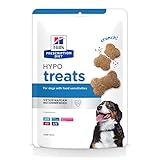
Overview: Hill’s Prescription Diet Hypoallergenic Dog Treats are scientifically formulated therapeutic treats designed specifically for dogs suffering from food sensitivities and related dermatological issues. Created by Hill’s team of veterinary nutritionists, these treats complement prescription diets and provide a safe reward option for dogs on strict elimination protocols. The 12-ounce bag offers a substantial supply for ongoing management of sensitive dogs.
What Makes It Stand Out: The hydrolyzed protein technology is the cornerstone of these treats, breaking down proteins into tiny fragments that bypass the immune system’s detection, drastically reducing allergic reactions. The formulation includes elevated levels of omega-3 and omega-6 fatty acids that actively nourish skin and coat health while supporting the skin’s natural barrier function. These treats are specifically calibrated to work seamlessly with Hill’s Prescription Diet d/d, i/d, Gastrointestinal Biome, z/d, and Derm Complete formulas.
Value for Money: Priced at a premium point typical of veterinary-exclusive products, these treats justify their cost through clinical efficacy and safety. While more expensive than conventional treats, they eliminate the risk of triggering costly allergic flare-ups or digestive crises. For dogs requiring prescription diets, the ability to provide treats without compromising their therapeutic plan represents significant value that outweighs the higher per-ounce cost.
Strengths and Weaknesses: Strengths include veterinary-backed formulation, proven hydrolyzed protein technology, seamless integration with prescription diets, and comprehensive skin support nutrients. The treats demonstrate excellent palatability even for picky eaters. Weaknesses include the premium price point, requirement for veterinary authorization, and limited availability compared to retail brands. The ingredient list, while therapeutic, may not appeal to owners seeking whole-food options.
Bottom Line: These treats are an essential tool for managing dogs with diagnosed food allergies or sensitivities. The veterinary formulation provides peace of mind that no other commercial treat can match for medically compromised dogs.
2. Blue Buffalo Basics Crunchy Dog Biscuits for Skin & Stomach Care, Limited Ingredient Diet Dog Treats, Salmon & Potato Recipe, 6-oz. Bag

Overview: Blue Buffalo Basics Crunchy Dog Biscuits offer a limited-ingredient solution for dogs with sensitive stomachs and skin issues. The salmon and potato recipe delivers a simplified ingredient profile in a crunchy biscuit format suitable for all breed sizes. This 6-ounce bag provides a convenient, commercially accessible alternative to veterinary-exclusive treats for mild to moderate sensitivities.
What Makes It Stand Out: The commitment to real salmon as the first ingredient ensures high-quality protein without the common allergens found in many treats. The formulation deliberately excludes chicken by-product meals, corn, wheat, and soy—primary culprits in canine food sensitivities. The crunchy texture provides dental benefits while remaining gentle enough for sensitive digestive systems, creating a dual-function treat that addresses both skin and stomach concerns.
Value for Money: Positioned in the mid-range price tier, these treats offer excellent value for owners seeking quality limited-ingredient options without veterinary prescription costs. The 6-ounce bag size makes it an accessible entry point for testing palatability and tolerance. Compared to prescription alternatives, the price per treat is significantly lower, though the bag size may require more frequent repurchasing for larger dogs or multi-dog households.
Strengths and Weaknesses: Strengths include high-quality salmon protein, clean ingredient sourcing, no common allergens, accessible retail availability, and consistent crunchy texture that dogs enjoy. The limited ingredient philosophy reduces reaction risks. Weaknesses include the smaller 6-ounce bag size, which may not suit heavy users, and the lack of hydrolyzed protein for dogs with severe allergies. Some dogs may find the biscuits too hard, and the potato content may not suit all dietary approaches.
Bottom Line: An excellent over-the-counter choice for dogs with mild sensitivities. The quality ingredients and thoughtful formulation make it a reliable daily treat for sensitive dogs without requiring veterinary authorization.
3. Purina Pro Plan Veterinary Diets Gentle Snackers Hydrolyzed Plus Low Fat Dog Treats - 8 oz. Pouch

Overview: Purina Pro Plan Veterinary Diets Gentle Snackers combine hydrolyzed protein technology with low-fat formulation for dogs managing both food sensitivities and weight concerns. These 8-ounce pouches contain crunchy treats specifically designed for canine patients requiring gentle nutrition without caloric excess. The veterinary diet designation ensures therapeutic-level quality control and efficacy.
What Makes It Stand Out: The dual-action approach addresses two common veterinary concerns simultaneously: allergic reactions through hydrolyzed protein and obesity management through restricted fat content. The single hydrolyzed protein source minimizes antigenic load while maintaining palatability. The crunchy texture satisfies dogs’ need for texture variety without adding unnecessary calories, making it unique among therapeutic treats that typically focus solely on protein modification.
Value for Money: These treats occupy a middle ground between prescription and premium retail pricing, offering reasonable value for a veterinary-formulated product. The 8-ounce pouch provides more product than many competitors’ small bags. For overweight dogs with sensitivities, investing in these treats prevents the cost of separate sensitivity and weight management products, creating consolidated value despite the moderate premium over standard treats.
Strengths and Weaknesses: Strengths include the innovative low-fat plus hydrolyzed protein combination, single protein source purity, excellent palatability, Purina’s rigorous quality control, and suitability for weight loss protocols. The crunchy texture appeals to most dogs. Weaknesses include the veterinary diet price premium, potential need for clinic purchase, and limited flavor variety. The low-fat formulation may reduce satiety for some dogs, and the ingredient list includes more processing agents than whole-food alternatives.
Bottom Line: The ideal treat for overweight dogs with food sensitivities. The specialized formulation solves two problems simultaneously, making it worth the moderate premium for dogs with dual dietary challenges.
4. Portland Pet Food Company Pumpkin Dog Treats Healthy Biscuits for Small Medium & Large Dogs - Grain-Free, Human-Grade, All Natural Cookies, Snacks & Puppy Training Treats - Made in The USA - 5 oz

Overview: Portland Pet Food Company delivers human-grade pumpkin biscuits crafted with minimalist, whole-food ingredients. These grain-free treats prioritize ingredient integrity and transparency, using organic pumpkin puree, garbanzo bean flour, peanut butter, molasses, and cinnamon. The 5-ounce bag contains light, crunchy biscuits suitable for training or daily rewarding across all life stages and breed sizes.
What Makes It Stand Out: The human-grade certification sets these treats apart, ensuring FDA-standard ingredient quality and processing safety typically reserved for human food. The double-baking process creates a light, crispy texture that can be easily snapped into smaller pieces for training or portion control. With seven ingredients or fewer and the complete absence of preservatives, wheat, dairy, chicken, BHT, BHA, and artificial colors, the treats offer unprecedented purity for sensitive dogs.
Value for Money: These treats command a premium price justified by human-grade sourcing, organic ingredients, and small-batch craftsmanship. While expensive per ounce, the quality threshold eliminates risks associated with feed-grade ingredients. The versatility of the biscuits—serving as both training treats and nutritional supplements—enhances their functional value. For owners prioritizing ingredient transparency and safety, the cost represents a worthwhile investment in their dog’s health.
Strengths and Weaknesses: Strengths include human-grade certification, extremely limited ingredient list, organic pumpkin content, grain-free formulation, USA sourcing, and BPA-free packaging. The light texture is perfect for training and senior dogs. Weaknesses include the premium price point, small 5-ounce bag size, and potential palatability issues for dogs preferring meat-based treats. The garbanzo bean flour may not suit dogs with legume sensitivities, and the molasses adds sugar content that some owners may wish to avoid.
Bottom Line: A top-tier choice for health-conscious owners seeking the cleanest possible ingredients. The human-grade quality justifies the premium for dogs with multiple sensitivities or those on elimination diets.
5. BRUTUS & BARNABY Sweet Potato Dog Treats – Support Sensitive Stomachs with USA-Grown, Hypoallergenic Treats That Smell as Good as They Taste

Overview: BRUTUS & BARNABY offers single-ingredient sweet potato treats sourced exclusively from USA farms and processed in FDA-registered, SQF-certified facilities. These hypoallergenic treats contain nothing but fresh, thick-cut sweet potato slices dehydrated to create a chewy, satisfying texture. The farm-to-bag oversight ensures complete supply chain transparency for dogs with severe sensitivities or digestive issues.
What Makes It Stand Out: The radical simplicity of a single, whole-food ingredient eliminates all guesswork for elimination diet protocols. Unlike reconstituted or processed treats, these use fresh, whole sweet potatoes that retain natural fiber, vitamins, and minerals. The thicker cuts provide substantial chewing satisfaction compared to typical dehydrated vegetable treats, while the seasonal variation in texture reflects genuine whole-food sourcing. The company offers both firm and soft-chew variants to accommodate different dental needs.
Value for Money: These treats offer exceptional value for single-ingredient purity at a competitive price point. The generous slice thickness means each treat provides more substance than powdered or reconstituted alternatives, extending bag life. For dogs requiring strict ingredient control, the cost savings from avoided veterinary visits due to reaction management far exceed the product price. The USA-grown sourcing adds value without inflating cost prohibitively.
Strengths and Weaknesses: Strengths include absolute ingredient transparency, single-source simplicity, USA farm oversight, natural fiber content for digestion, and dual texture options. The treats smell appealing and offer genuine nutritional value. Weaknesses include texture variability that may confuse some owners, potential hardness for senior dogs or those with dental issues, and the need to purchase soft-chew variants separately. The simple formulation lacks added omega fatty acids for skin support, and some dogs may find vegetable-only treats less motivating than meat-based rewards.
Bottom Line: An outstanding choice for dogs requiring the strictest ingredient control. The single-ingredient purity and transparent sourcing make it ideal for elimination diets and highly sensitive dogs.
6. Vital Essentials Freeze Dried Dog Treats | Beef Liver, Single Ingredient | Premium Quality | Grain Free Training Treats for Dogs, 2.1 oz Bag

Overview: Vital Essentials delivers a minimalist approach to dog treats with their freeze-dried beef liver formula. This single-ingredient offering provides pure, raw nutrition in a convenient 2.1-ounce package, targeting health-conscious pet owners who prioritize protein quality and ingredient transparency.
What Makes It Stand Out: The rapid freeze-drying process—freezing protein within 45 minutes of harvest—preserves peak nutritional value and natural enzymes that conventional cooking destroys. As a single-ingredient treat, it eliminates all guesswork for owners managing allergies or digestive sensitivities. The responsibly sourced, butcher-cut beef liver delivers concentrated nutrition that exceeds industry protein standards.
Value for Money: At 2.1 ounces, this premium-priced treat costs significantly more per ounce than conventional biscuits. However, the nutrient density means smaller serving sizes suffice for training rewards, stretching the bag further than weight suggests. Compared to other freeze-dried options, Vital Essentials remains competitively priced for the quality tier.
Strengths and Weaknesses: Strengths include exceptional protein content, limited ingredient purity, USA sourcing, and palatability that appeals to even picky eaters. The lightweight, non-greasy format makes pocket storage ideal for training sessions. Weaknesses center on the small bag size creating frequent repurchase cycles, high cost per treat for multi-dog households, and richness that may cause digestive upset if overfed. The intense aroma, while attractive to dogs, can be off-putting to owners.
Bottom Line: These treats excel for dedicated trainers and owners of allergy-prone dogs who demand ingredient integrity. The premium price reflects genuine quality rather than marketing hype, making it a worthwhile investment for targeted use despite the small package size.
7. Smart Cookie All Natural Dog Treats - Rabbit & Pumpkin - Training Treats for Dogs & Puppies with Allergies, Sensitive Stomachs - Soft Dog Treats, Grain Free, Chewy, Human-Grade, Made in USA - 5oz Bag
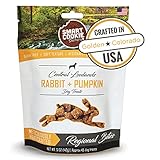
Overview: Smart Cookie addresses the growing need for hypoallergenic training treats through their rabbit and pumpkin soft chews. This 5-ounce bag delivers limited-ingredient nutrition specifically engineered for dogs with food sensitivities, using a novel protein source rarely found in conventional treats.
What Makes It Stand Out: The rabbit protein sourced from Kansas and Missouri lowlands provides a truly novel alternative for dogs allergic to common proteins like chicken or beef. Combined with pumpkin for digestive support, these human-grade treats offer veterinary-level formulation without prescription pricing. The soft, chewy texture breaks easily into smaller portions for repetitive training rewards.
Value for Money: The 5-ounce package positions these in the premium tier, costing more per ounce than mass-market treats but aligning with other limited-ingredient options. The ability to fragment each treat into multiple rewards effectively multiplies the serving count, improving cost-per-training-session value.
Strengths and Weaknesses: Key strengths include the novel protein source, grain-free simplicity, soft texture suitable for puppies and seniors, and human-grade ingredient quality. Local sourcing and USA manufacturing ensure quality control. Weaknesses involve rabbit’s inconsistent palatability—some dogs find it less appealing than traditional proteins. The soft texture requires careful storage to prevent drying out, and the premium price may strain budgets for heavy trainers.
Bottom Line: Ideal for allergy-management protocols and sensitive digestive systems, these treats justify their cost through specialized formulation. While not every dog embraces rabbit flavor, those who do gain a safe, nutritious training reward that eliminates common allergens.
8. Smart Cookie All Natural Soft Dog Treats - Trout & Apple - Healthy Dog Treats for Allergies, Sensitive Stomachs - Chewy, Grain Free, Human-Grade, Made in The USA - 5oz Bag
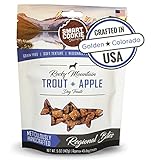
Overview: Smart Cookie’s trout and apple formulation targets allergy-prone dogs seeking fish-based nutrition. This 5-ounce bag of soft, chewy treats delivers omega-rich protein with just six calories per piece, making it ideal for weight-conscious owners managing food sensitivities.
What Makes It Stand Out: The Rocky Mountain-sourced trout provides a novel, low-fat protein alternative packed with omega-3 fatty acids for skin and coat health. Apple adds natural fiber and vitamins while maintaining the limited-ingredient philosophy. At six calories per treat, owners can reward generously during extended training without compromising dietary goals.
Value for Money: Positioned similarly to other Smart Cookie varieties, these treats command premium pricing justified by wild-sourced fish and human-grade standards. The low-calorie count creates exceptional value for training contexts, allowing more rewards per dollar compared to calorie-dense alternatives.
Strengths and Weaknesses: Strengths include the novel fish protein, low-calorie design, grain-free formulation, and omega-3 benefits for inflammatory conditions. The soft texture suits all life stages. Weaknesses center on the pronounced fish aroma that may deter some owners, and trout’s lower palatability compared to red meats. Fish allergies, while less common, still affect some dogs. The premium price and storage requirements for soft treats also factor as considerations.
Bottom Line: Perfect for weight management programs and dogs requiring novel proteins, these treats balance nutrition with training functionality. The fish-forward formula suits owners prioritizing omega intake, though the aroma and taste may not universalize across all canine preferences.
9. Blue Buffalo Health Bars Crunchy Dog Biscuits, Oven-Baked with Natural Ingredients, Pumpkin & Cinnamon, 16-oz Bag

Overview: Blue Buffalo’s Health Bars offer a mainstream crunchy biscuit option emphasizing natural ingredients in a substantial 16-ounce package. The pumpkin and cinnamon variety targets owners seeking affordable, wholesome treats with the familiar aroma of homemade baking.
What Makes It Stand Out: The oven-baked crunch provides dental benefits through mechanical cleaning action, while the 16-ounce bag delivers exceptional quantity for multi-dog households. Blue Buffalo’s brand recognition and widespread retail availability make these accessible staples. The pumpkin-cinnamon-yogurt combination creates an inviting aroma that appeals to canine and human senses alike.
Value for Money: This bulk package dramatically undercuts premium treat pricing per ounce, positioning it as a budget-friendly daily option. While not single-ingredient or grain-free, the cost efficiency for everyday treating or rewarding multiple pets is unmatched in this comparison set.
Strengths and Weaknesses: Strengths include the economical bulk sizing, crunchy texture that satisfies chewers, natural ingredient promise, and enhanced vitamin/mineral fortification. The familiar biscuit format transitions easily from less premium brands. Weaknesses involve oatmeal content making it unsuitable for grain-free diets, multiple ingredients increasing allergy risk, and lower protein density compared to meat-based treats. The larger size may require breaking for training precision.
Bottom Line: A practical choice for cost-conscious owners of dogs without specific dietary restrictions. These treats excel as everyday rewards and household staples, though they lack the specialized formulation of premium alternatives. The value proposition shines for families treating multiple pets regularly.
10. Hill’s Grain Free Soft Baked Naturals, All Life Stages, Great Taste, Dog Treats, Duck & Pumpkin, 8 oz Bag

Overview: Hill’s Soft Baked Naturals leverage veterinary brand credibility in a grain-free, soft treat format. The duck and pumpkin recipe comes in an 8-ounce bag, positioning itself as a scientifically-informed option for owners seeking vet-recommended nutrition without clinical diet pricing.
What Makes It Stand Out: The #1 veterinarian recommended brand status provides confidence in formulation quality and safety testing. The soft-baked texture bridges the gap between crunchy biscuits and pliable training treats, making it suitable for dogs with dental issues. Grain-free formulation addresses common dietary sensitivities while maintaining mainstream appeal.
Value for Money: The 8-ounce package sits between budget biscuits and premium freeze-dried options, offering moderate value. Hill’s research-backed development justifies a slight price premium over generic grain-free treats, though costs remain accessible for most households.
Strengths and Weaknesses: Strengths include veterinary endorsement, reliable quality control, soft texture for senior dogs, grain-free formulation, and duck as a moderately novel protein. USA manufacturing with trusted global ingredients ensures consistency. Weaknesses involve duck being a potential allergen for some dogs, the “global ingredients” phrasing lacking transparency, and not being single-ingredient for strict elimination diets. The soft texture may stick together in humid conditions.
Bottom Line: A trustworthy middle-ground option for owners wanting vet-approved, grain-free treats. While not specialized enough for severe allergies, these treats suit general health-conscious households prioritizing brand reputation and soft texture. The veterinary endorsement adds peace of mind for cautious buyers.
Understanding Dog Food Allergies and Itchy Skin
What Causes Itchy Skin in Dogs
Itchy skin, or pruritus, stems from the immune system’s overreaction to specific proteins it mistakenly identifies as threats. When a sensitive dog consumes allergenic ingredients, their body releases histamines and other inflammatory compounds that manifest as skin irritation. Unlike environmental allergies that cause seasonal symptoms, food-related itching persists year-round and often intensifies after meals. The distress can lead to secondary infections, hair loss, and behavioral changes as your dog becomes increasingly uncomfortable in their own skin.
Common Food Allergens to Avoid
The usual suspects in canine food allergies include beef, chicken, dairy, wheat, soy, and corn. These ingredients dominate conventional dog treats because they’re inexpensive and widely available. However, repeated exposure to these proteins increases the likelihood of developing sensitivities. Eggs, lamb, and fish can also trigger reactions in some dogs. The key is recognizing that “common” doesn’t mean “safe” for every dog—what works for most can be problematic for your sensitive pup.
How Hypoallergenic Treats Help
Hypoallergenic treats work by eliminating exposure to these common triggers while providing novel or hydrolyzed proteins that your dog’s immune system hasn’t encountered before. This reduces the inflammatory cascade that causes itching. Additionally, high-quality hypoallergenic formulas include omega fatty acids and anti-inflammatory ingredients that actively soothe irritated skin from the inside out. The result is a treat that rewards your dog without compromising their comfort.
Key Features of Hypoallergenic Dog Treats
Limited Ingredient Formulas
The gold standard for hypoallergenic treats is simplicity. Limited ingredient formulas contain as few components as possible—often just one protein source, one carbohydrate source, and essential nutrients. This minimalist approach serves two purposes: it reduces the number of potential allergens and makes it easier to identify the culprit if reactions occur. When reading labels, you should be able to count the ingredients on one hand. Fewer ingredients mean fewer opportunities for immune system misfires.
Novel Protein Sources
Novel proteins come from animals your dog has never eaten before, making allergic reactions unlikely. Think beyond standard farm animals to options like kangaroo, venison, rabbit, duck, or bison. These unconventional proteins provide complete amino acid profiles while flying under your dog’s immune radar. The trick is ensuring true novelty—if your dog has eaten duck-based kibble, duck treats aren’t novel anymore. Your veterinarian can help determine which proteins are genuinely new for your pet.
Grain-Free vs. Grain-Inclusive Options
The grain-free debate requires nuance. While some dogs genuinely need grain-free options due to wheat or corn allergies, others do fine with hypoallergenic grains like oatmeal or quinoa. The focus should be on the specific grain’s allergenic potential rather than broad categories. Ancient grains and gluten-free options often provide beneficial fiber and nutrients without triggering reactions. Avoid treats with vague “cereal by-products” or “grain fractions” that mask problematic ingredients.
Natural Ingredients and Avoiding Fillers
Artificial preservatives, colors, and flavors serve no nutritional purpose and can exacerbate inflammation in sensitive dogs. Quality hypoallergenic treats use natural preservation methods like vitamin E (tocopherols) or rosemary extract. Fillers like corn starch, cellulose, and unspecified “meat meal” dilute nutritional value and introduce unnecessary allergen risks. Every ingredient should serve a clear purpose—either nutrition or functional benefit.
The Importance of Single Protein Sources
Single-source protein treats contain meat from only one animal species, preventing cross-contamination and ensuring you know exactly what your dog consumes. This matters because even trace amounts of chicken in a “beef” treat can trigger reactions in highly sensitive dogs. Look for labels that specify “100% single protein” rather than “primary protein,” which allows for undisclosed secondary meat sources. Transparency here is non-negotiable for allergy management.
Types of Hypoallergenic Dog Treats
Freeze-Dried Treats
Freeze-drying preserves raw ingredients without high heat, maintaining nutritional integrity and flavor. These treats typically contain just meat or meat with minimal additives, making them ideal for elimination diets. The lightweight, crunchy texture appeals to most dogs, and the concentration of flavor means small pieces satisfy treat cravings. Because the process removes moisture, these treats have naturally long shelf lives without chemical preservatives.
Dehydrated Treats
Similar to freeze-dried but processed at slightly higher temperatures, dehydrated treats offer chewy textures that many dogs prefer. Sweet potato slices, fish skins, and single-protein strips undergo gentle drying that retains nutrients while creating shelf-stable snacks. The chewiness provides mental stimulation and dental benefits. Ensure dehydration temperatures stayed low enough to preserve the protein structure and prevent the formation of advanced glycation end-products that could increase inflammation.
Baked Treats with Alternative Flours
For dogs who enjoy biscuit-style treats, options made with chickpea flour, coconut flour, or tapioca starch avoid common wheat triggers. These baked goods often incorporate novel proteins and limited ingredients while delivering the satisfying crunch dogs expect from traditional cookies. The baking process can reduce bacterial concerns present in raw treats, offering peace of mind for owners worried about food safety.
Soft and Chewy Options
Soft treats work exceptionally well for training and senior dogs with dental issues. Quality hypoallergenic versions use novel proteins, sweet potatoes, or pumpkin as binders rather than wheat gluten. The moisture content requires careful preservation, so scrutinize ingredient lists for natural antioxidants rather than chemical preservatives. These treats often appeal to picky eaters who reject harder textures.
Jerky-Style Treats
Traditional jerky for humans often contains soy sauce, garlic, or sugar—ingredients problematic for dogs. Canine-specific hypoallergenic jerky strips contain just meat, perhaps with minimal natural flavoring. The dense protein concentration makes them high-value rewards, perfect for reinforcing important behaviors. Look for jerky sourced from single animals and processed in facilities that prevent cross-contamination with common allergens.
Reading Labels Like a Pro
Understanding Ingredient Lists
Ingredients appear in descending order by weight before processing. The first three ingredients constitute the majority of the treat’s content. “Splitting” is a deceptive practice where manufacturers divide one ingredient (like wheat flour, wheat gluten, wheat bran) to move each component lower on the list. Be wary of ingredient lists that list multiple forms of the same potential allergen separately. “Meal” indicates rendered, concentrated protein, but unspecified “meat meal” could contain anything.
Decoding Marketing Claims
Terms like “natural,” “premium,” and “holistic” have no legal definition in pet food regulation. “Hypoallergenic” itself isn’t regulated, making label scrutiny essential. Look for specific, verifiable claims rather than vague marketing language. “Made with novel proteins” means nothing unless you see those proteins clearly identified. “Veterinarian recommended” should be backed by actual clinical testing or professional endorsement you can verify.
Red Flags to Watch For
Avoid treats containing generic “meat by-products,” “animal fat,” or “poultry meal” where the source animal isn’t specified. Artificial colors (Red 40, Yellow 5) and chemical preservatives (BHA, BHT, ethoxyquin) have no place in hypoallergenic formulas. “Flavor” as an ingredient is a catch-all term that masks specific components. Treats made in facilities that also process common allergens pose cross-contamination risks unless they specifically state allergen-control protocols.
Certification and Quality Standards
Third-party certifications provide objective quality verification. Look for treats manufactured in USDA-inspected facilities or those carrying certifications from organizations that audit for ingredient integrity and manufacturing standards. Some treats undergo feeding trials or have nutritional adequacy statements. While not foolproof, these indicators suggest manufacturers take quality seriously rather than simply capitalizing on the hypoallergenic trend.
Transitioning to Hypoallergenic Treats
The Elimination Diet Approach
Before introducing any new treats, consider a full elimination diet using a prescription hydrolyzed protein food for 8-12 weeks. This clears the system of potential allergens and establishes a baseline. Once symptoms improve, introduce one new hypoallergenic treat at a time, waiting at least one week between additions to monitor for reactions. This systematic approach identifies safe options while preventing overwhelming the immune system with multiple new ingredients simultaneously.
Gradual Introduction Methods
Even hypoallergenic treats should be introduced slowly to prevent digestive upset. Start with a quarter-sized piece and observe for 24-48 hours. Gradually increase to full serving size over 5-7 days. This cautious method applies to all dogs but especially those with sensitive systems. Keep a food journal documenting treat introduction dates, ingredients, and any physical or behavioral changes. Patterns emerge over time that help refine treat selection.
Monitoring Your Dog’s Response
Track itch intensity, skin redness, ear health, stool quality, and energy levels after introducing new treats. Photograph problem areas weekly to document subtle improvements or deteriorations. Some reactions appear within hours (immediate hypersensitivity), while delayed reactions might take 3-7 days to manifest. Consistent monitoring prevents continuing a treat that causes low-grade, chronic inflammation masked by other factors.
Homemade vs. Commercial Treats
Pros and Cons of DIY Treats
Homemade treats offer ultimate control over ingredients, eliminating cross-contamination risks and ensuring true single-source proteins. You can tailor recipes to your dog’s specific tolerances and preferences. However, achieving nutritional balance is challenging, and improper handling of raw ingredients poses bacterial risks. Time investment is significant, and storage without preservatives requires freezing or frequent batch preparation.
Safety Considerations for Homemade Options
Raw diets and treats carry salmonella and E. coli risks for both dogs and human family members. Cooking eliminates these pathogens but may reduce some nutrients. Never include onion, garlic, grapes, raisins, xylitol, or excessive salt in homemade treats. Work with a veterinary nutritionist to ensure recipes meet your dog’s needs, especially if treats constitute more than 10% of daily caloric intake. Proper storage and handling prevent mold and bacterial growth.
When to Choose Commercial Products
Commercial hypoallergenic treats make sense for busy owners, travel, or training scenarios requiring consistent, portable rewards. Reputable manufacturers conduct quality testing and maintain strict production protocols difficult to replicate at home. The convenience factor supports consistent training and bonding opportunities. Choose commercial options when homemade treats aren’t practical, but maintain the same rigorous ingredient standards you’d apply to kitchen-prepared snacks.
Additional Benefits of Hypoallergenic Treats
Digestive Health Support
Many hypoallergenic treats include prebiotic fibers like pumpkin or sweet potato that support beneficial gut bacteria. A healthy microbiome reduces systemic inflammation that can manifest as skin issues. Limited ingredients are easier to digest, reducing the intestinal permeability sometimes called “leaky gut” that exacerbates allergies. Better digestion means better nutrient absorption, supporting skin barrier function from within.
Skin and Coat Improvement
Omega-3 and omega-6 fatty acids from novel protein sources like fish or flaxseed actively reduce skin inflammation and promote healthy sebum production. This strengthens the skin’s natural barrier against environmental irritants. Antioxidants from natural ingredients combat oxidative stress that damages skin cells. Over 4-6 weeks, you should notice shinier coats, less flaking, and reduced hot spot formation.
Overall Wellness Boost
Dogs feeling better physically behave better emotionally. Reduced itching means less anxiety, better sleep, and more positive interactions. Hypoallergenic treats often have higher nutritional density, providing more vitamins and minerals per calorie than filler-laden conventional options. This supports immune function, energy levels, and long-term health. The psychological benefit of enjoying treats without consequences improves your dog’s overall quality of life.
Common Mistakes to Avoid
Assuming Expensive Means Hypoallergenic
Price doesn’t guarantee allergen safety. Some premium treats contain the same chicken, beef, and wheat as budget options, just with fancier packaging. Focus on ingredient quality and specificity rather than brand prestige or cost. Some manufacturers charge more for “exotic” proteins that aren’t truly novel for your dog. Always verify ingredient lists regardless of price point or marketing positioning.
Overlooking Cross-Contamination
Facilities that produce multiple treat varieties can transfer allergens through shared equipment, airborne particles, or handling protocols. A treat might be formulated without chicken but produced on equipment that just processed chicken jerky. Look for statements about allergen control, dedicated production lines, or cleaning protocols. When in doubt, contact manufacturers directly about their cross-contamination prevention measures.
Ignoring Portion Control
Even the safest hypoallergenic treat can cause problems if overfed. Treats should comprise no more than 10% of daily caloric intake to maintain nutritional balance. Overfeeding can lead to weight gain, which stresses the body and potentially worsens inflammatory conditions. Measure treats and factor them into your dog’s total diet. A small, high-quality treat is better than a large portion of anything.
Working with Your Veterinarian
When to Seek Professional Advice
Consult your vet before starting any elimination diet or treat trial, especially if your dog takes medication or has chronic health conditions. Sudden severe itching, skin infections, or gastrointestinal symptoms warrant immediate veterinary attention. Your vet can rule out non-food causes like parasites, fungal infections, or environmental allergies that mimic food reactions. Professional guidance prevents misdiagnosis and ensures appropriate treatment.
Allergy Testing Options
Blood tests and intradermal skin testing identify environmental allergens but are unreliable for food allergies. The gold standard remains elimination diet trials, but some labs offer serum IgE testing for food-specific antibodies. These tests generate false positives and negatives but might provide directional guidance for treat selection. Discuss test limitations with your vet before investing in potentially inconclusive results.
Creating a Comprehensive Treatment Plan
Treats are just one piece of the allergy management puzzle. Your vet might recommend medicated shampoos, supplements, or medications alongside dietary changes. A holistic approach addresses both symptoms and root causes. Regular follow-ups allow treatment plan adjustments based on your dog’s response. Document treat trials and share results with your vet to refine recommendations and build a safe, enjoyable treat repertoire.
Frequently Asked Questions
How long does it take to see improvements in my dog’s itchy skin after switching treats?
Most dogs show noticeable improvement within 4-6 weeks of consistent hypoallergenic treat use, though some respond in as little as 1-2 weeks. The timeline depends on the severity of the allergy, whether you’re also changing the main diet, and if secondary skin infections require treatment. Patience is essential—immune system changes don’t happen overnight.
Can my dog develop allergies to novel proteins over time?
Yes, repeated exposure to any protein can eventually trigger sensitivities, even if it’s initially novel. This is why rotation feeding—cycling through 2-3 different novel proteins—can be beneficial. However, the risk is much lower than with common proteins like chicken or beef. Monitor for any returning symptoms and be prepared to switch proteins if needed.
Are grain-free treats always better for dogs with itchy skin?
Not necessarily. Grain-free treats still contain carbohydrates from sources like potatoes or legumes, which some dogs react to. The focus should be on avoiding your dog’s specific triggers rather than eliminating all grains. Some dogs actually do better with hypoallergenic grains like oatmeal due to their fiber and nutrient content.
How do I know if my dog’s itching is from food or environmental allergies?
Food allergy itching is typically year-round and often accompanied by ear infections or gastrointestinal issues. Environmental allergies usually show seasonal patterns or respond to changes in environment. However, both can coexist. An elimination diet trial is the most reliable way to determine if food contributes to your dog’s symptoms.
Can hypoallergenic treats help if my dog doesn’t have diagnosed food allergies?
Absolutely. Hypoallergenic treats support overall skin health through better ingredients and anti-inflammatory nutrients. Many dogs have subclinical sensitivities that don’t cause obvious reactions but still contribute to low-grade inflammation. Cleaner, simpler treats benefit virtually any dog’s health.
What’s the difference between hypoallergenic and limited ingredient treats?
All hypoallergenic treats should be limited ingredient, but not all limited ingredient treats are hypoallergenic. Limited ingredient simply means fewer components, but those components could still be common allergens. Hypoallergenic treats specifically avoid known allergenic ingredients while using novel or hydrolyzed proteins.
Are raw hypoallergenic treats safe?
Raw treats carry bacterial contamination risks for dogs and humans. If choosing raw, select products from companies using high-pressure processing (HPP) to eliminate pathogens without heat. Handle raw treats like raw meat—clean surfaces thoroughly and wash hands. For households with young children, elderly, or immunocompromised individuals, cooked treats are safer.
How many hypoallergenic treats can I give my dog daily?
Follow the 10% rule—treats should not exceed 10% of daily caloric intake. For most dogs, this means 1-3 small treats per day depending on size and activity level. Check the calorie content on the package and adjust main meals accordingly. Overfeeding treats can lead to weight gain and nutritional imbalances.
Can puppies eat hypoallergenic treats?
Yes, hypoallergenic treats are often ideal for puppies, especially large breeds prone to allergies. Choose appropriately sized pieces to prevent choking and ensure the treats are complete and balanced if they’ll constitute a significant portion of the puppy’s diet. Introduce new proteins slowly to monitor for reactions during this developmental stage.
Do hypoallergenic treats taste good to dogs?
High-quality hypoallergenic treats are delicious to most dogs because they contain real meat without fillers that dilute flavor. Freeze-dried and jerky options are particularly palatable. If your dog is picky, try different textures and proteins to find their preference. The strong scent of novel proteins like fish or venison often appeals to canine taste buds.