Training your dog should be a bonding experience filled with progress and proud moments, not a juggling act between leash, clicker, and treats spilling from your pockets. Yet countless dog owners find themselves fumbling with plastic bags, crumpled treats, and distracted pups while trying to maintain focus during crucial learning moments. The right treat pouch transforms this chaotic scene into a streamlined, professional training session where rewards appear instantly, keeping your dog engaged and your hands free for clear communication.
Imagine moving seamlessly through a training routine—your dog sits perfectly, you reach without looking, and a high-value reward appears in your palm within seconds. This isn’t magic; it’s the result of choosing equipment designed specifically for the unique demands of dog training. Whether you’re teaching basic obedience in your backyard, working on reactive behavior in busy parks, or competing in agility trials, the perfect treat pouch becomes an extension of your training methodology. This comprehensive guide explores everything you need to know about selecting and using a treat pouch that matches your lifestyle, training goals, and your dog’s motivation style.
Top 10 Treat Pouches for Dog Training
Detailed Product Reviews
1. heouvo Dog Treat Pouch with Training Clicker, Upgrade Stronger Magnetic Closure to Avoid Spilling, 1.67 Cup Silicone Treat Bag Fanny Pack with Waist Belt for Pet Training Walking (Black)

Overview: The Heouvo Dog Treat Pouch positions itself as a professional-grade training companion, combining a food-grade silicone pouch with an integrated clicker. Designed for serious trainers, this compact system promises spill-proof treat access and versatile reward delivery. The 1.67-cup capacity balances portability with adequate supply for most training sessions.
What Makes It Stand Out: The smaller magnetic closure mouth prevents spillage while enabling true one-handed operation—critical for maintaining training momentum. Unlike fabric alternatives, the food-grade silicone safely stores wet, dry, or frozen treats without absorbing odors or oils. The included clicker provides a complete training solution without separate purchases.
Value for Money: This kit offers solid mid-range value. The silicone construction and clicker inclusion justify the price premium over basic fabric pouches. For trainers using varied treat types, the material versatility adds practical value that cheaper options can’t match, making it a worthwhile investment for regular use.
Strengths and Weaknesses: Strengths include excellent spill prevention, dishwasher-safe cleaning, safe wet treat storage, and the integrated clicker. The adjustable waist belt (25-47") accommodates most users securely. Weaknesses include capacity that may require refilling during extended sessions, and silicone’s rigidity may feel less comfortable than fabric against the body.
Bottom Line: Ideal for dedicated trainers who use varied treat types and prioritize hygiene. The magnetic closure system works flawlessly, and the clicker inclusion makes this a complete package. If you regularly use wet or freeze-dried rewards, this is your best choice.
2. RBibei【One-Hand Access Silicone Dog Treat Pouch, Small Pocket Sized Training Pouch with Pull Tab & Auto Closing Lid for Easy Pet Training & Walking (Black)

Overview: RBibei’s silicone pouch revolutionizes treat storage by eliminating the stinky fabric problem entirely. This pocket-sized solution targets odor-conscious owners who want seamless one-handed treat access during training and walks. The 1-cup capacity prioritizes portability over volume, perfect for short sessions.
What Makes It Stand Out: The pull-tab auto-closing lid is brilliantly engineered for genuine one-handed operation—just tug and release. The 100% food-grade silicone creates a waterproof barrier that prevents oil absorption and bacterial growth. Dishwasher compatibility and stainless steel hinges ensure lasting cleanliness without degradation.
Value for Money: Positioned at the premium end, the price reflects genuine material innovation. For owners tired of replacing smelly fabric pouches, this is a worthwhile investment. The durability and hygiene benefits outweigh initial cost compared to cheaper alternatives that need frequent replacement.
Strengths and Weaknesses: Strengths include superior odor resistance, effortless cleaning, secure carabiner attachment, and intuitive one-handed use. The compact profile clips discreetly to leashes. The main weakness is the 1-cup capacity, insufficient for extended training or multiple dogs. The hinge, while rust-proof, could be a long-term wear point.
Bottom Line: Perfect for urban walkers and short training sessions where odor control is paramount. If you prioritize cleanliness and leash attachment over maximum capacity, this is your ultimate upgrade. The waterproof design alone justifies the purchase for hygiene-focused owners.
3. Gobeigo Dog Treat Pouch and Training Clicker, Upgrade Two Magnetic Closure to Prevent Spills, 2 Cup Treat Bag with Poop Bag Dispenser, Metal Clip Waist Belt Fanny Pack for Pet Walk (Black)
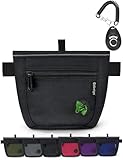
Overview: Gobeigo’s treat pouch aims to be the ultimate all-in-one walking companion, combining generous capacity with practical accessories. This 2-cup silicone bag integrates a clicker and poop bag dispenser for streamlined outings. The versatile design addresses multiple walking needs simultaneously in one unit.
What Makes It Stand Out: The dual magnetic closure system provides extra security against spills, while dual wearing options—waist belt or metal clip—adapt to any situation. The front zipper pocket with poop bag dispenser eliminates need for a separate waste bag holder, reducing gear clutter significantly during walks.
Value for Money: Excellent value proposition. The 2-cup capacity, included clicker, and poop bag integration mean you’re getting three products in one. Comparable pouches with fewer features cost the same or more, making this a smart budget choice for comprehensive functionality without extra purchases.
Strengths and Weaknesses: Strengths include the largest capacity among reviewed products, dual wear options, thoughtful poop bag integration, and strong magnetic seal. The water-resistant lining aids cleaning. Weaknesses include a slightly bulkier profile due to capacity, and water-resistant rather than fully waterproof construction. The metal clip may feel less secure than a full belt for vigorous activity.
Bottom Line: Best choice for long walks and owners wanting maximum utility. The 2-cup capacity reduces refill frequency, and the poop bag dispenser is genuinely convenient. If you want one pouch to handle everything, this is it.
4. AOKLANT Pet Training Snack Pouch with Clicker 2.0 Upgraded Magnetic Closure, 1.66 Cup Silicone Belt for Dog Treats,Perfect for Exercising and Walking
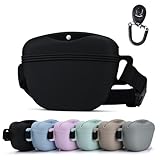
Overview: AOKLANT’s Snack Pouch targets the training market with a focus on accessibility and extended sizing. The 2.0 upgraded magnetic closure system pairs with an exceptionally long belt to accommodate virtually any user. The 1.66-cup capacity suits most training scenarios.
What Makes It Stand Out: The 55-inch retractable waist belt is the longest in its class, ensuring comfortable fit for all body types and clothing layers. The premium silicone construction handles wet and frozen treats, while magnetic auto-close eliminates zipper failures. The included clicker completes the training package without separate purchases.
Value for Money: Competitively priced with other silicone options, the extended belt length adds value for larger individuals or those wearing bulky clothing. You’re not paying extra for the length, making it a fair deal compared to standard-sized alternatives with similar features.
Strengths and Weaknesses: Strengths include universal belt sizing, true one-handed magnetic operation, dishwasher-safe silicone, and clicker inclusion. The 1.66-cup capacity is adequate for most sessions. Weaknesses include lack of a poop bag dispenser—a curious omission given the training focus—and belt-only design with no alternative clip attachment. The silicone is slightly stiffer than fabric options.
Bottom Line: Perfect for owners needing extended belt length or those who prioritize belt-worn stability. The magnetic closure works reliably, and the clicker inclusion adds value. If you want a straightforward, belt-only training pouch that fits everyone, this delivers.
5. ETIAL Dog Treat Pouch,Portable Puppy Dog Training Treat Bag,Hand Free Dog Walking Bag,Auto Closing Pet Feed Snack Reward Pocket,Dog Food Dispenser for Pet Puppy Travel or Outdoor Use

Overview: ETIAL takes a fundamentally different approach with a fabric-based pouch emphasizing portability and warranty security. This minimalist option targets budget-conscious owners who want simple functionality without silicone’s rigidity. The compact 4.7-inch design prioritizes lightness.
What Makes It Stand Out: The elastic metal opening automatically snaps shut after treat retrieval, providing quick access without manual closure. The lifetime replacement guarantee demonstrates exceptional manufacturer confidence. Multiple attachment options—carabiner, leash, or harness—offer unparalleled versatility for different walking styles.
Value for Money: Outstanding value. This is the most affordable option reviewed, and the lifetime warranty eliminates replacement risk. While it lacks premium materials, the price point and guarantee make it a risk-free purchase for casual users who don’t need advanced features.
Strengths and Weaknesses: Strengths include featherlight portability, flexible fabric that won’t chafe, multiple wear methods, and the unbeatable lifetime warranty. The square design is discreet. Weaknesses include Oxford cloth’s tendency to absorb odors and oils over time, requiring more frequent washing. It’s not truly waterproof, and capacity is modest compared to silicone alternatives.
Bottom Line: Ideal for casual walkers and budget-minded owners. The lifetime warranty provides peace of mind, and the ultra-light design won’t weigh you down. If you primarily use dry treats and want maximum portability with zero financial risk, this is your best bet.
6. Mighty Paw Dog Treat Pouch | No Spill Magenetic Clasp - Hands-Free Pouches for Training - Pets Training Treat Pouches for Dog Walks - Pet Bags Pouch - Built in Poop Bag Holder - Black

Overview: The Mighty Paw Dog Treat Pouch positions itself as the ultimate hands-free solution for dog owners who demand organization during walks and training sessions. Measuring 7" x 2.5" x 5", this generously sized pouch features four separate compartments capable of holding up to two cups of treats while accommodating your phone, wallet, and keys.
What Makes It Stand Out: The innovative no-spill magnetic clasp system sets this pouch apart from traditional zippered models, allowing instant one-handed access while preventing accidental spills during active movement. Its remarkable versatility shines through the multi-purpose belt and metal clip system, offering four distinct wearing styles: over the shoulder, crossbody, waist-mounted, or belt-clipped. The integrated poop bag holder, complete with a complimentary roll, demonstrates thoughtful design that anticipates real-world needs.
Value for Money: While priced slightly above basic nylon pouches, the Mighty Paw justifies its cost through superior American design and testing, durable construction, and multi-functionality that eliminates the need for separate bags. The four-compartment organization system effectively replaces multiple carrying accessories, making it a cost-effective investment for serious dog owners.
Strengths and Weaknesses: Pros: Exceptional organizational capacity; versatile wearing options; secure magnetic closure; integrated poop bag dispenser; USA-based design and testing. Cons: Larger footprint may feel bulky for minimalist users; magnetic strength may weaken over time; limited color options.
Bottom Line: The Mighty Paw Dog Treat Pouch excels for dedicated trainers and active dog owners who prioritize organization and convenience. Its robust feature set and quality construction make it a worthwhile investment for those seeking a comprehensive walking companion.
7. RoyalCare Silicone Dog Treat Pouch-Small Training Bag-Portable Dog Treat Bag for Leash with Magnetic Closure and Waist Clip airtight sealed - 2pieces [US Design Patent]
![RoyalCare Silicone Dog Treat Pouch-Small Training Bag-Portable Dog Treat Bag for Leash with Magnetic Closure and Waist Clip airtight sealed - 2pieces [US Design Patent]](https://m.media-amazon.com/images/I/31cpWgaEiEL._SL160_.jpg)
Overview: The RoyalCare Silicone Dog Treat Pouch represents a modern approach to pet training accessories, offering a two-piece set crafted from 100% food-grade memory silicone. This innovative material choice addresses the limitations of traditional fabric pouches by providing superior hygiene and the ability to safely store both dry treats and wet food like chicken.
What Makes It Stand Out: The patented design leverages silicone’s inherent properties—excellent corrosion resistance, elasticity, and effortless cleaning. Unlike nylon alternatives that absorb odors and stains, this pouch can be flipped inside-out and washed completely, ensuring sanitary conditions. The half-closed magnetic opening enables convenient one-handed operation while maintaining a secure seal during movement.
Value for Money: Receiving two pouches in one package immediately doubles the value proposition, allowing owners to dedicate one for treats and another for toys or alternate food types. The durable silicone construction ensures longevity that fabric pouches cannot match, making this a smart long-term investment despite a slightly higher initial cost.
Strengths and Weaknesses: Pros: Food-grade silicone material; easy to clean and dry; holds wet and dry food; lightweight and portable; clip design for secure attachment; two-piece set. Cons: Smaller capacity than some competitors; clip-only wearing method limits versatility; no integrated poop bag holder; limited storage for personal items.
Bottom Line: The RoyalCare set is ideal for hygiene-conscious trainers who prioritize easy maintenance and versatility in food storage. The silicone construction and dual-pouch offering make it a practical choice for dedicated training sessions.
8. heouvo Dog Treat Pouch with Training Clicker, Upgrade Stronger Magnetic Closure to Avoid Spilling, 1.67 Cup Silicone Treat Bag Fanny Pack with Waist Belt for Pet Training Walking (Pink)

Overview: The heouvo Dog Treat Pouch delivers a professional-grade training solution by combining a compact silicone treat bag with an effective training clicker. Measuring just 5x4x2 inches yet holding 1.67 cups of food, this pouch prioritizes portability without sacrificing functionality for serious trainers.
What Makes It Stand Out: The thoughtfully designed smaller mouth opening with reinforced magnetic closure directly addresses common spillage issues found in competing silicone pouches, ensuring treats remain contained during vigorous activity. The inclusion of a training clicker creates an all-in-one kit that supports positive reinforcement methodology. The unique waist belt design eliminates the common failure point of plastic clips, providing security during active training sessions.
Value for Money: Bundling a quality clicker with the treat pouch offers immediate savings compared to purchasing these essential training tools separately. The enhanced magnetic system and improved belt design justify the modest price premium over basic silicone pouches, delivering professional features at a consumer-friendly price point.
Strengths and Weaknesses: Pros: Includes training clicker; stronger magnetic closure; compact and lightweight; food-grade silicone for wet/dry food; secure waist belt design; one-handed operation. Cons: Smaller 1.67-cup capacity may require frequent refilling; limited color options; no dedicated poop bag dispenser.
Bottom Line: This heouvo kit serves dedicated clicker trainers perfectly, offering a secure, hygienic, and compact solution. The enhanced magnet strength and reliable belt system make it an excellent choice for active training environments where reliability is paramount.
9. Waterproof Dog Treat Pouch, Dog Training Treat Pouch Built in Poop Bag Dispenser Adjustable Shoulder Bag (BLK) (BLK)

Overview: The Waterproof Dog Treat Pouch caters to active owners who refuse to let weather conditions interrupt their training routines. This 8.27x5.9x2.36-inch shoulder bag features a highly waterproof outer shell that protects treats, toys, and personal belongings from rain and moisture during outdoor adventures.
What Makes It Stand Out: The comprehensive water-resistant protection extends beyond the main compartment to include stain-resistant properties, ensuring the pouch remains clean and functional in muddy conditions. The built-in waste bag dispenser provides convenient access to cleanup supplies without requiring a separate holder. Its generous capacity accommodates not only training treats but also phones, wallets, keys, and dog toys across multiple zippered pockets.
Value for Money: While priced similarly to premium non-waterproof alternatives, this pouch’s weatherproofing eliminates the need for separate rain covers or replacement of water-damaged treats. The durable polyester construction withstands daily wear, offering long-term value for owners in wet climates or those who train year-round regardless of conditions.
Strengths and Weaknesses: Pros: Fully waterproof exterior; multiple zippered compartments; built-in poop bag dispenser; lightweight at 0.297kg; spacious interior; stain-resistant material. Cons: Polyester fabric less hygienic than silicone; bulkier profile; no included clicker; magnetic closure absent.
Bottom Line: This waterproof pouch excels for all-weather walkers and outdoor enthusiasts who prioritize protection and storage capacity. Its weatherproof design makes it an essential tool for year-round training in unpredictable climates.
10. Gobeigo Dog Treat Pouch and Training Clicker, Upgrade Two Magnetic Closure to Prevent Spills, 2 Cup Treat Bag with Poop Bag Dispenser, Metal Clip Waist Belt Fanny Pack for Pet Walk (Black/Gray)

Overview: The Gobeigo Dog Treat Pouch positions itself as a feature-rich training companion that combines the hygienic benefits of silicone construction with the practicality of an included training clicker. This versatile pouch holds two cups of treats while offering multiple wearing configurations to suit different training scenarios.
What Makes It Stand Out: The dual magnetic closure system provides exceptional security against spills, automatically sealing the pouch while enabling instant one-handed access when needed. Offering both an adjustable waist belt (25-47 inches) and an independent metal clip, this bag adapts to waist-worn, belt-clipped, or bag-attached configurations. The integrated poop bag dispenser and water-resistant lining demonstrate comprehensive design thinking.
Value for Money: This all-in-one package eliminates the need to purchase a separate clicker and treat pouch, delivering immediate cost savings. The dual magnets, versatile wear options, and included accessories match or exceed features found in more expensive competitors, making it one of the best values in the training pouch market.
Strengths and Weaknesses: Pros: Two strong magnetic closures; versatile waist belt or clip wear; includes training clicker; 2-cup capacity; integrated poop bag dispenser; water-resistant lining; easy to clean. Cons: Newer brand with limited track record; fewer color choices than established competitors; silicone may attract lint.
Bottom Line: The Gobeigo pouch offers exceptional value for trainers seeking a complete, reliable kit. Its strong magnets, versatile wear options, and included clicker make it an outstanding choice for both novice and experienced dog owners focused on positive reinforcement training.
Why Every Dog Trainer Needs a Reliable Treat Pouch
A dedicated treat pouch isn’t just a convenience—it’s a fundamental tool that directly impacts training effectiveness. When treats are easily accessible, you can reward behaviors within that critical 1-2 second window when your dog makes the connection between their action and the consequence. Pockets simply can’t compete with the speed and efficiency of a purpose-built pouch. They often contain lint, crumbs, or other contaminants that make treats less appealing to your discerning canine student. More importantly, digging through pockets breaks your training momentum and teaches your dog to anticipate long pauses between command and reward, potentially weakening the behavior you’re trying to reinforce.
Beyond speed, a good pouch protects your treats from the elements. Rain, snow, and humidity can turn premium training morsels into soggy, unappetizing blobs that your dog turns their nose up at. A quality pouch keeps treats fresh, dry, and aromatic, maintaining their value as a motivator throughout your session. For dogs with dietary sensitivities, a sealed pouch prevents cross-contamination from pocket debris or other food particles. The psychological benefit matters too—strapping on your training pouch signals to your dog that it’s time to work, creating a consistent routine that helps them mentally prepare for learning.
Key Features to Look for in a Training Treat Pouch
Durability and Material Quality
The material of your treat pouch determines its lifespan and performance across countless training sessions. Heavy-duty nylon and polyester fabrics resist tears from enthusiastic dogs, thorny bushes, and repeated use. Reinforced stitching at stress points prevents blowouts when you stuff the pouch with generous handfuls of freeze-dried liver or kibble. Look for materials that maintain structure over time—flimsy fabrics collapse when partially empty, making it harder to grab treats quickly. The interior should be food-safe and non-porous to prevent oil absorption from greasy treats, which can turn rancid and create unpleasant odors.
Closure Mechanisms That Keep Treats Secure
The closure system is arguably the most critical functional element of any treat pouch. Magnetic closures offer one-handed operation and silent opening, perfect for capturing subtle behaviors without the distracting “snap” of Velcro or zipper. However, magnets must be strong enough to stay closed when you bend over or if your dog bumps against the pouch. Spring-loaded hinges provide quick access with a simple squeeze, snapping shut automatically when released. Drawstring closures offer maximum security for crumbly treats but require two hands to operate, which can interrupt training flow. Some advanced designs combine multiple closure types, giving you options based on the training scenario.
Capacity and Size Considerations
The ideal capacity depends entirely on your training context. A compact pouch holding half a cup of treats works beautifully for short, focused sessions with a small dog or puppy. Larger pouches accommodating 2-3 cups suit extended training, multiple dogs, or high-quantity reinforcement schedules. Consider treat size too—if you use large, soft chews, you’ll need a wider opening and more interior space. Conversely, tiny training treats for precision work require a pouch with internal organization to prevent them from settling in hard-to-reach corners. The external dimensions matter as well; a bulky pouch can bump against your leg during active training or feel awkward during casual walks.
Attachment Options for Hands-Free Convenience
How your pouch connects to your body affects both comfort and accessibility. Belt clips offer the most secure attachment, distributing weight evenly around your waist, but they require wearing a belt or dedicated training apron. Carabiner clips provide versatility, allowing you to attach the pouch to belt loops, backpack straps, or even a fence during group classes. Some designs feature adjustable waist straps with quick-release buckles, perfect for throwing on over any outfit. For maximum flexibility, look for pouches offering multiple attachment methods so you can adapt to different training environments and clothing choices.
Ease of Access and Opening Speed
When your dog nails a perfect heel position in a distracting environment, you have milliseconds to deliver reinforcement. A pouch that opens with a simple flick of your thumb versus one requiring careful unzipping can make the difference between a strengthened behavior and a missed opportunity. The opening should be wide enough for easy hand entry but not so large that treats spill when you run or bend. Some pouches feature stay-open designs that remain gaping while you train, then close with a gentle push—ideal for high-rate reinforcement. Consider whether you can operate the pouch without looking, allowing you to keep your eyes on your dog at all times.
Weather Resistance and Cleaning
Training happens in all conditions, and your pouch needs to perform whether you’re in a dewy morning field or a dusty training ring. Water-resistant or waterproof exteriors protect treats from rain and prevent moisture from damp ground when you set the pouch down. Interior linings should be wipeable or machine washable, because meat-based treats inevitably leave residue. Some premium pouches feature antimicrobial linings that resist bacterial growth and odors. Removable inserts or fully reversible designs make deep cleaning simple, ensuring your pouch stays hygienic and your dog stays healthy.
Comfort and Ergonomic Design
A pouch loaded with treats can weigh over a pound, especially with dense, moist rewards. Padded back panels prevent the pouch from digging into your hip during long sessions. Contoured shapes that follow your body’s natural curves distribute weight more comfortably than boxy designs. The weight should sit close to your body to prevent bouncing during running or agility work. For those who train daily, ergonomic considerations become even more crucial—chronic pressure points can lead to discomfort that makes you dread putting on your training gear.
Additional Storage and Organization
Modern treat pouches often double as mini training command centers. Separate compartments for your phone, keys, and poop bags eliminate the need for a separate bag during walks. Interior dividers let you organize different treat values—low-value kibble for easy behaviors, high-value chicken for difficult challenges. Some designs include exterior loops for clickers, whistles, or training targets. While extra storage adds versatility, be careful not to sacrifice quick treat access for organizational features. The primary compartment should always remain the star of the show.
Style and Discretion for Everyday Use
Not every training session looks like a formal class—sometimes you’re working on leash manners during your morning coffee run. A pouch that resembles a stylish waist pack or subtle purse blends better in public spaces than obvious, brightly colored training gear. Neutral colors like black, navy, or gray attract less attention and match more outfits. However, visibility has its place too; bright colors help you locate your pouch quickly if you set it down during off-leash work. Some trainers prefer tactical-looking pouches that signal seriousness, while others want something that could pass for a casual accessory.
How to Choose the Right Pouch for Your Training Style
For Active Outdoor Adventures
If your training involves hiking trails, beach sessions, or parkour-style agility, prioritize durability and security above all else. Look for pouches with reinforced attachment points that won’t detach if you trip or your dog suddenly lunges. Water-resistant materials protect treats during stream crossings or unexpected rain. A snug fit against your body prevents the pouch from swinging and throwing off your balance during dynamic movements. Consider pouches with additional D-rings for attaching a water bottle or emergency whistle, keeping all your adventure training gear in one place.
For Compact Urban Training
City training demands a different approach—space is tight, distractions are everywhere, and you need to move through crowds. A slim-profile pouch that sits flat against your body prevents bumping into strangers on busy sidewalks. Silent closure mechanisms are essential; the sound of Velcro ripping open in a quiet café can startle both your dog and bystanders. Look for discreet designs that don’t scream “dog trainer” but still offer quick access for rewarding impeccable leash manners amidst urban chaos. A pouch that attaches securely to a belt loop works well when you’re wearing jeans, while a clip-on design suits dressier outfits for training during commutes.
For Multi-Dog Households
Training multiple dogs simultaneously requires a pouch with serious capacity and organization. You’ll need space for different treat types if your dogs have varying dietary needs or motivation levels. A wide opening allows you to grab generous handfuls for rewarding multiple dogs in quick succession. Consider pouches with exterior pockets for holding leashes between turns or storing individual training plans for each dog. Some trainers use color-coded pouches for each dog, but a single large pouch with internal dividers often proves more practical. The attachment must handle extra weight without sagging or pulling your belt down.
For Professional Trainers
Professional trainers need pouches that withstand 8+ hours of daily use and maintain a polished appearance for client sessions. Multiple compartments become essential—separate spaces for client treats, your own dog’s rewards, business cards, and training logs. A pouch that can be worn on either side accommodates left-handed trainers or those who switch sides throughout the day. Look for replaceable parts like belt clips or hinge springs, because even the best pouches wear out under professional demands. Some pros prefer modular systems that attach to a tactical belt, allowing them to customize their setup for each client.
For Occasional Use and Casual Walks
If you train intermittently or primarily use the pouch for rewarding good behavior on daily walks, simplicity trumps advanced features. A basic pouch with a reliable closure and comfortable clip suffices for most casual users. Prioritize lightweight designs that don’t feel bulky when you’re just popping out for a quick bathroom break. Washability matters more than weather resistance for occasional users who might toss the pouch in a drawer between uses. Consider pouches that convert into treat storage containers, keeping leftovers fresh until your next session.
Training Tips for Using Your Treat Pouch Effectively
Loading Your Pouch for Maximum Efficiency
How you fill your pouch affects your training speed and success. Place high-value treats at the top for easy access during challenging exercises. If using mixed treats, layer them by value so you can grab appropriately without looking. Pre-portion treats into small bags that you can quickly dump into your pouch before sessions, saving time and keeping the interior clean. For crumbly treats, add a piece of bread or paper towel to absorb moisture and prevent clumping. Always fill your pouch before putting it on—trying to stuff treats into an already-worn pouch often results in spills and frustration.
Maintaining Treat Freshness Throughout Sessions
Nothing kills motivation like stale, hard treats that have been bouncing around for hours. For long training days, use insulated pouches or add a small ice pack wrapped in a paper towel to keep moist treats from spoiling. Rotate treats every hour, removing any that have become crushed or unappealing. In hot weather, avoid greasy treats that can melt and coat the interior with rancid oil. Bring backup treats in a sealed container to refill mid-session, ensuring your rewards remain at peak desirability. A quick wipe-down between sessions prevents cross-contamination and keeps your pouch smelling fresh.
Positioning Your Pouch for Quick Access
Your pouch position affects your body mechanics and training timing. Most right-handed trainers wear the pouch on their right hip, but experiment to find what lets you grab treats fastest while maintaining proper leash handling. The pouch should sit where your hand naturally falls—reaching across your body slows you down and looks awkward to your dog. During active training like agility, position the pouch slightly toward your back to prevent it from interfering with your running stride. For heel work, keep it at your side where you can reward without breaking your own posture. Practice reaching for treats while watching TV to build muscle memory that makes reward delivery automatic.
Transitioning Away from Treat Dependency
A treat pouch is a tool, not a permanent crutch. As your dog masters behaviors, gradually reduce how often you reach for rewards. Start by keeping treats in the pouch but rewarding with praise, touch, or play instead. Move the pouch to your back or cover it with a jacket to make it less visually salient. Eventually, train without the pouch entirely, using rewards from your pocket or environment. Some trainers use a “cold pouch” containing non-food rewards like toys or scented items for dogs who’ve graduated from constant food reinforcement. The goal is for your dog to work for you, not just for the pouch.
Common Mistakes to Avoid When Using Treat Pouches
Many well-meaning trainers inadvertently create problems with improper pouch use. Overfilling leads to slow access and dropped treats that distract your dog. Wearing the pouch inconsistently—sometimes on, sometimes off—confuses dogs who rely on it as a cue that training is happening. Using the same pouch for dog treats and human snacks creates dangerous cross-contamination and teaches dogs to investigate your food. Forgetting to clean the pouch regularly results in mold, bacteria, and treat refusal. Perhaps most damaging is becoming so reliant on the pouch that you never train without it, leaving your dog unable to perform when you don’t have it on. Treat the pouch as a training aid to be faded, not a permanent fixture.
Frequently Asked Questions
How many treats should I carry in my pouch at one time?
Carry enough for 15-20 rewards per dog in a single session. This typically equals 1/2 to 1 cup of small treats. Overloading makes the pouch heavy and slow to access, while too few treats forces you to refill mid-session, breaking training momentum. For high-rate reinforcement training, increase quantity but reduce individual treat size to pea-sized pieces.
Can I use the same pouch for different types of treats?
Yes, but use dividers or separate small containers within the pouch to prevent mixing. Strong-smelling fish treats can contaminate milder cheese rewards, and moist treats will make dry kibble soggy. Clean the pouch thoroughly between sessions using different treat types to prevent flavor transfer that might reduce your dog’s motivation.
How do I clean my treat pouch without ruining it?
Most quality pouches feature wipeable linings—use a damp cloth with mild soap after each use. For deep cleaning, turn pouches inside out and hand wash in warm, soapy water. Air dry completely before refilling to prevent mold. Machine washing works for some models but check manufacturer guidelines first, as agitators can damage closure mechanisms. Never put treat pouches in the dryer.
What’s the best closure type for a beginner trainer?
Spring-loaded hinges offer the best balance of security and ease for novices. They open with a simple squeeze and snap shut automatically, preventing spills when you’re focused on your dog. Avoid drawstrings until you’ve developed the muscle memory to operate them quickly without looking. Magnetic closures work well but require checking strength before purchase.
Should my treat pouch match my dog’s leash and collar?
Matching creates a cohesive, professional appearance but has no functional impact. Prioritize performance over aesthetics. However, if you train in public where appearance matters for client confidence or personal style, choose neutral colors that coordinate with most gear. Bright colors can help you locate a misplaced pouch quickly.
How do I stop my dog from obsessing over the treat pouch?
Teach your dog that the pouch itself predicts nothing—only correct behavior earns rewards. Wear the pouch during non-training activities so it becomes background noise. Reward from your hand, not directly from the pouch opening. Practice “pouch zen” exercises where your dog must ignore the pouch while you access it, only receiving treats for calm, focused behavior.
Are waist-worn pouches better than shoulder or clip-on styles?
Waist pouches offer superior stability and weight distribution for active training. Shoulder bags swing and bounce, while clip-on pouches can detach unexpectedly. However, the “best” style depends on your body type, training environment, and personal comfort. Try different styles before committing, as a poorly fitting waist pouch can be more distracting than a stable shoulder bag.
Can treat pouches work for cats or other animals?
Absolutely! The same principles of quick access and treat protection apply to cat training, bird handling, or horse clicker training. Choose smaller pouches for cat training sessions, as feline sessions are typically shorter. For larger animals like horses, ensure the attachment method is extra-secure and the pouch sits where the animal can’t investigate it.
How much should I expect to spend on a quality treat pouch?
Quality treat pouches range from $15 to $40. Budget options under $15 often lack durability and weather resistance. Premium pouches above $40 may include specialized features professional trainers need but casual users won’t utilize. The sweet spot for most owners is $20-30, where you get reliable construction, good materials, and thoughtful design without overpaying for pro-level features.
When should I replace my treat pouch?
Replace your pouch when the closure fails to stay shut, the attachment mechanism becomes loose, or the interior develops permanent odors despite cleaning. Holes in the fabric that allow treats to escape signal immediate replacement. Most well-used pouches last 1-2 years of regular training. If you train professionally, expect to replace pouches every 6-12 months due to heavy wear.