That unmistakable odor when your dog greets you with excited kisses—it’s not just a minor inconvenience. Bad breath in dogs often signals underlying dental issues that can progress to serious health complications affecting their heart, kidneys, and liver. While many pet parents reach for breath fresheners or dental treats, the foundation of oral health actually starts with what’s in your dog’s bowl every day.
The connection between diet and dental health runs deeper than most realize. The right dry dog food doesn’t just nourish your pup—it works like a daily toothbrush, scraping away plaque and stimulating gums with every crunch. This year, advances in veterinary nutrition have made it easier than ever to combat tartar buildup through specialized kibble designs and scientifically-backed ingredients. Understanding what makes certain formulas effective empowers you to make informed decisions that protect your dog’s smile and overall wellbeing.
Top 10 Dry Dog Food for Dental Health
Detailed Product Reviews
1. Hill’s Science Diet Adult Oral Care Dry Dog Food, Chicken, Brown Rice, & Barley, 4 lb. Bag

Overview: This 4-pound bag delivers targeted dental care for adult dogs through a clinically engineered kibble formula. Designed to combat plaque and tartar buildup with every meal, the chicken, brown rice, and barley recipe provides complete nutrition while actively cleaning teeth. As Hill’s flagship over-the-counter dental diet, it represents the brand veterinarians recommend most across America.
What Makes It Stand Out: The proprietary fiber technology acts like a gentle scrubbing brush as your dog chews, mechanically reducing plaque and tartar while freshening breath. Unlike standard kibble, each piece is designed to resist crumbling, maximizing tooth contact. The natural ingredient profile and USA manufacturing appeal to quality-conscious pet parents, while the modest 4-pound size offers a low-risk introduction to dental diets.
Value for Money: At this size, you’re paying a premium per pound compared to bulk options, but the smaller investment makes sense for single small dogs, trial periods, or households new to dental-specific nutrition. It prevents waste if your dog proves picky and allows you to assess visible breath and tartar improvements before committing to larger quantities.
Strengths and Weaknesses: Strengths include veterinarian endorsement, proven mechanical cleaning action, high-quality natural ingredients, and convenient trial sizing. Weaknesses involve the high cost-per-pound for regular use, rapid depletion for medium or large breeds, and the fact that it requires consistent feeding for optimal results.
Bottom Line: This compact bag is the perfect entry point into proactive canine dental care, offering professional-grade prevention in a manageable size for small dogs or cautious first-time buyers.
2. Hill’s Science Diet Adult Oral Care Dry Dog Food, Chicken, Brown Rice, & Barley, 28.5 lb. Bag
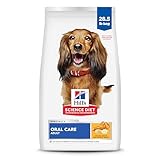
Overview: This economy-sized 28.5-pound bag provides the same veterinarian-recommended dental care formula as its smaller counterpart, scaled for households committed to long-term oral health. The chicken, brown rice, and barley recipe delivers complete daily nutrition while the clinically proven kibble design works to scrub away plaque and tartar with every bite, making it ideal for multi-dog families or larger breeds.
What Makes It Stand Out: The massive bulk packaging transforms dental care from a specialty add-on into a convenient staple, eliminating frequent reordering. You get the identical interlocking fiber technology and natural ingredient standards of the 4-pound version, but with substantial per-pound savings. The consistent kibble design ensures sustained dental benefits without compromising on the quality that earned Hill’s its veterinary #1 ranking.
Value for Money: For serious users, this size delivers exceptional economy, slashing the per-meal cost significantly compared to smaller bags. The upfront investment pays dividends for owners of dogs over 40 pounds or those managing multiple pets, reducing both cost and packaging waste over time.
Strengths and Weaknesses: Strengths include outstanding bulk value, uninterrupted dental protection, trusted formulation, and fewer shopping trips. Weaknesses center on the high initial price point, substantial storage space requirements, and potential freshness concerns for single small dog owners who may not finish the bag before expiration.
Bottom Line: For dedicated pet parents with medium to large dogs, this bulk option makes professional-grade dental care affordable and convenient, cementing it as the smart long-term choice.
3. Hill’s Science Diet Oral Care, Adult 1-6, Small & Mini Breeds Plaque & Tartar Buildup Support, Dry Dog Food, Chicken, Rice, & Barley, 4 lb Bag

Overview: Specifically engineered for adult small and mini breeds aged 1-6 years, this 4-pound bag addresses the unique dental challenges faced by smaller mouths. The precision-formulated kibble combines chicken, rice, and barley with targeted fiber technology to combat plaque and tartar while delivering omega-6 fatty acids and vitamin E for skin and coat health—a dual-benefit approach rare in dental diets.
What Makes It Stand Out: The interlocking fiber technology is optimized for tiny teeth, ensuring effective mechanical cleaning without overwhelming petite jaws. Beyond dental benefits, the inclusion of skin-nourishing nutrients acknowledges that small breed owners often prioritize coat appearance. The breed-specific formulation and veterinarian endorsement make this a specialized tool rather than a generic solution.
Value for Money: While priced at a premium compared to standard adult formulas, the targeted design justifies the cost for small breed enthusiasts. The 4-pound size aligns perfectly with the lower caloric needs of tiny dogs, preventing stale kibble and ensuring you replace the bag before nutrients degrade.
Strengths and Weaknesses: Strengths include appropriately sized kibble, dual dental and dermatological benefits, trusted veterinary brand, and ideal packaging for small breeds. Weaknesses involve limited age applicability (1-6 years), higher cost per pound, and ineffectiveness for households with mixed-size dogs.
Bottom Line: This breed-specific formula excels for small dog owners seeking comprehensive wellness, delivering professional dental care alongside cosmetic coat benefits in a perfectly proportioned package.
4. Hill’s Prescription Diet t/d Dental Care Small Bites Chicken Flavor Dry Dog Food, Veterinary Diet, 5 lb. Bag

Overview: This veterinary-exclusive 5-pound bag represents the clinical gold standard for canine dental care, requiring veterinarian authorization for purchase. The small bites formula is specifically engineered for smaller dogs suffering from significant plaque, stain, and tartar accumulation, employing a triple-action fiber matrix technology that cleans to the gum line—addressing periodontal disease at its source.
What Makes It Stand Out: As a prescription diet, it boasts clinically proven efficacy beyond over-the-counter options, with unique kibble geometry that maximizes tooth surface contact. The triple-action fiber matrix simultaneously freshens breath, mechanically cleans teeth, and disrupts bacterial colonization. Antioxidant enrichment supports immune function, acknowledging the systemic link between oral health and overall wellness.
Value for Money: The higher price reflects therapeutic-grade formulation and clinical testing. For dogs with established dental disease, it can reduce professional cleaning frequency, potentially saving hundreds in veterinary bills. The 5-pound size suits small breeds while ensuring freshness through the treatment period.
Strengths and Weaknesses: Strengths include unparalleled clinical efficacy, gum-line cleaning action, complete therapeutic nutrition, and small bite sizing. Weaknesses involve prescription requirement, premium cost, and unsuitability for general maintenance in healthy dogs—it’s designed for treatment, not casual prevention.
Bottom Line: For small dogs with diagnosed dental issues, this prescription diet is an essential therapeutic tool that delivers professional-level results under veterinary supervision, justifying its premium status.
5. Hill’s Prescription Diet t/d Dental Care Chicken Flavor Dry Dog Food, Veterinary Diet, 5 lb. Bag

Overview: This 5-pound prescription-only formula delivers Hill’s most advanced dental care technology for dogs requiring therapeutic oral health intervention. Developed by veterinarians and nutritionists, the diet employs triple-action fiber matrix technology to reduce plaque, stains, and tartar while cleaning tooth surfaces up to the gum line. Unlike maintenance diets, this clinical solution targets active dental disease with proven medical efficacy.
What Makes It Stand Out: The prescription designation ensures rigorous clinical validation, with each kibble engineered to resist shattering and provide maximal mechanical cleaning. The formulation addresses the entire oral environment—freshening breath, whitening teeth, and disrupting biofilm formation. Integrated antioxidants support immune health, recognizing that oral bacteria can impact systemic wellness. This is treatment, not just prevention.
Value for Money: While significantly more expensive than non-prescription diets, the therapeutic benefits justify the cost for dogs with periodontal disease. Regular use can extend time between professional dental cleanings, offsetting veterinary expenses. The 5-pound bag provides an adequate trial period to assess clinical improvement while maintaining kibble freshness.
Strengths and Weaknesses: Strengths include clinically proven triple-action cleaning, comprehensive therapeutic nutrition, trusted prescription brand reputation, and professional-grade efficacy. Weaknesses require veterinary authorization, higher cost prohibitive for casual use, and kibble size that may challenge very small breeds (unlike the small bites version).
Bottom Line: For dogs under veterinary care for dental disease, this prescription diet offers unmatched therapeutic cleaning power, making it the professional’s choice for serious oral health management.
6. Purina Pro Plan Veterinary Diets DH Dental Health Small Bites Dog Food Dry Canine Formula - 6 lb. Bag

Overview: The Purina Pro Plan Veterinary Diets DH Dental Health Small Bites formula delivers clinically proven tartar control specifically designed for dogs under 35 pounds. This 6-pound bag offers a veterinary-recommended approach to daily dental care through specialized kibble that works like a toothbrush as your dog chews. The VOHC Seal of Acceptance validates its effectiveness in reducing tartar buildup while providing complete and balanced nutrition for small breed adults.
What Makes It Stand Out: The small bite-size pieces are perfectly proportioned for smaller jaws, ensuring effective cleaning action without being too large or difficult to chew. The dual-action benefit combines dental defense with complete nutrition, including antioxidant-rich ingredients that support immune health while maintaining ideal body condition through appropriate protein levels. This integration of dental care into daily feeding simplifies owners’ routines.
Value for Money: While requiring veterinary authorization and commanding premium pricing, this formula eliminates the need for separate dental chews. The 6-pound size serves as an economical trial option for small breeds, though frequent repurchasing is necessary. Compared to regular food plus daily dental treats, the integrated approach justifies the cost for dogs prone to dental disease and may prevent expensive professional cleanings.
Strengths and Weaknesses: Pros: VOHC-approved efficacy, size-appropriate kibble, complete nutritional balance, and antioxidant support. Cons: Requires veterinary prescription, higher price point than standard diets, small bag size means frequent purchases, and some dogs may need transition time to accept the texture.
Bottom Line: For small breed dogs struggling with tartar buildup, this veterinary diet offers a scientifically backed solution that addresses both dental health and nutritional needs, making it a worthwhile investment despite the premium price.
7. Pro Plan Veterinary Diets Purina DH Dental Health Canine Dog Food Dry Formula - 16.5 lb. Bag

Overview: This 16.5-pound bag of Purina Pro Plan Veterinary Diets DH Dental Health provides the same clinically proven tartar control as its smaller counterpart but in a more economical size for multi-dog households or medium-sized breeds. The VOHC Seal of Acceptance confirms its ability to significantly reduce tartar buildup through a unique crunchy texture that mechanically cleans teeth during chewing while delivering complete adult nutrition.
What Makes It Stand Out: The larger bag size reduces packaging waste and shopping frequency while delivering the same veterinary-grade dental protection. The formula includes high levels of vitamin E and antioxidants to support immune system function, providing comprehensive health benefits beyond just oral care. The crunchy kibble texture is designed to maximize tooth contact for optimal cleaning action across various dog sizes.
Value for Money: The 16.5-pound offering delivers better per-pound value than the 6-pound bag, making it more economical for owners committed to long-term dental care. While still requiring veterinary authorization and premium pricing, it costs significantly less than professional dental cleanings and can prevent expensive periodontal disease treatments, offering substantial savings over time.
Strengths and Weaknesses: Pros: VOHC-approved, cost-effective bulk size, strong antioxidant support, and proven tartar reduction. Cons: Prescription required, not specifically sized for small breeds, premium price point, and may be too large for toy breeds to manage comfortably without breaking pieces.
Bottom Line: An excellent choice for households with multiple dogs or medium breeds needing serious dental intervention, offering proven results and better value in a larger package while maintaining veterinary diet standards.
8. Royal Canin Canine Care Nutrition Large Dental Care Adult Dry Dog Food, 30 lb Bag

Overview: Royal Canin Dental Care for Large Dogs targets the specific needs of 56-100 pound adult dogs prone to dental tartar. This 30-pound bag delivers a specialized kibble engineered to simulate a tooth-brushing effect, polishing teeth as dogs chew. Formulated for dogs 15 months and older, it provides complete nutrition while addressing a critical health concern that affects over 80% of large breeds by age three.
What Makes It Stand Out: The exclusive kibble texture creates a mechanical cleaning action particularly effective for large dogs’ bigger teeth and powerful jaws. Clinical studies demonstrate 46% less tartar formation after just 28 days of exclusive feeding—a measurable, impressive result. The formulation acknowledges that large breeds have different dental challenges than smaller dogs, requiring a tailored approach to kibble size, density, and texture.
Value for Money: The substantial 30-pound bag offers excellent per-pound pricing for a specialty diet. While premium-priced, it serves as both complete nutrition and preventive dental care, potentially saving thousands in veterinary dental procedures. For large breed owners, this dual functionality represents significant long-term savings and convenience compared to adding separate dental products to standard food.
Strengths and Weaknesses: Pros: Breed-size specific formulation, clinically proven 46% tartar reduction, large economical bag size, and complete adult nutrition. Cons: Only suitable for large breeds, not appropriate for puppies or seniors, requires exclusive feeding for best results, and premium price may be prohibitive for budget-conscious owners.
Bottom Line: For large breed owners seeking data-driven dental protection, this Royal Canin formula delivers measurable results with exceptional value in a size-appropriate package that respects the unique needs of big dogs.
9. Hill’s Science Diet Oral Care, Adult 1-6, Small & Mini Breeds Plaque & Tartar Buildup Support, Dry Dog Food, Chicken, Rice, & Barley, 12.5 lb Bag
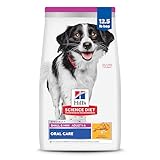
Overview: Hill’s Science Diet Oral Care for Small & Mini Breeds offers veterinarian-recommended plaque and tartar control in a 12.5-pound bag specifically designed for little dogs. This chicken, rice, and barley recipe uses clinically proven interlocking fiber technology to clean teeth and freshen breath with every bite, providing complete nutrition for adult dogs aged 1-6 years who are prone to dental issues.
What Makes It Stand Out: As the #1 veterinarian-recommended brand, Hill’s brings credibility and trust to dental nutrition. The interlocking fiber matrix acts like a mini-toothbrush, reaching between teeth where plaque hides. Additionally, omega-6 fatty acids and vitamin E promote healthy skin and coat, offering beauty benefits alongside dental health—a rare combination in specialty dental diets.
Value for Money: Positioned in the mid-premium range, this formula delivers multiple benefits—dental care, skin and coat support, and complete nutrition—without requiring a prescription. The 12.5-pound size suits small breed households well, providing about a month’s supply for a typical small dog at a reasonable per-meal cost, especially compared to prescription alternatives.
Strengths and Weaknesses: Pros: Vet-recommended, no prescription needed, fiber cleaning technology, skin/coat benefits, and trusted USA manufacturing. Cons: Not VOHC certified, limited to small breeds under 25 pounds, some picky eaters may reject the fibrous texture, and results may take longer than prescription diets for severe cases.
Bottom Line: A trustworthy, accessible option for small breed owners seeking preventive dental care without the hassle of veterinary prescriptions, offering a balanced approach to oral health and overall wellness.
10. Health Extension Probiotic Dental Bones for Dogs, 14 Small Bones – Supports Dental Health, Promotes Digestive Health, Ideal for Puppy Training

Overview: Health Extension Probiotic Dental Bones take a different approach to oral health, offering 14 small dental chews that function as treats rather than complete meals. These USA-made bones feature an elongated, ridged design that scrubs teeth down to the gumline while delivering probiotic support for digestive health. Ideal for puppies and dogs of all sizes, they serve dual purposes in training and dental maintenance between regular meals.
What Makes It Stand Out: The innovative combination of dental cleaning with probiotic benefits sets these bones apart from standard dental chews. Parsley naturally freshens breath without artificial additives, while flaxseed oil provides anti-inflammatory support for gum health. The ridged texture actively reduces plaque and tartar during chewing sessions, reaching areas that standard kibble might miss.
Value for Money: As a supplemental treat rather than daily food, these bones offer affordable dental support between meals or after regular kibble. The small size variety pack provides 14 treats, making it economical for occasional use or training rewards. However, they cannot replace a comprehensive dental diet for dogs with serious tartar issues and should be factored into daily caloric intake.
Strengths and Weaknesses: Pros: Probiotic digestive support, natural breath freshening, made in USA, effective texture design, and training versatility. Cons: Not a meal replacement, less effective than prescription diets for severe cases, contains calories that must be accounted for, and may be consumed too quickly by aggressive chewers to maximize cleaning.
Bottom Line: An excellent supplementary tool for maintaining dental health between professional cleanings, especially valuable for dogs needing digestive support or as a training aid with added health benefits.
Understanding Canine Dental Health and Bad Breath
The Root Causes of Doggy Breath
Bad breath, or halitosis, rarely develops without reason. The primary culprit is bacterial overgrowth in your dog’s mouth, where millions of microbes feed on food particles and produce volatile sulfur compounds. These bacteria colonize along the gum line, between teeth, and on the tongue, creating that characteristic foul odor. Unlike humans, dogs can’t brush their own teeth, so this bacterial population can explode without regular intervention. The problem intensifies when food debris remains trapped, creating a perfect environment for anaerobic bacteria to thrive.
How Plaque and Tartar Build Up
Plaque forms within hours after eating—a sticky, colorless film that clings to tooth surfaces. When not removed, it mineralizes into tartar within 24-72 hours, hardening into a cement-like substance that brushing alone can’t eliminate. This calcified buildup pushes gums away from teeth, creating pockets where bacteria flourish. The process triggers inflammation (gingivitis) and eventually progresses to periodontal disease, which affects over 80% of dogs by age three. Dry food’s abrasive action helps disrupt this cycle before plaque hardens.
The Systemic Health Connection
Oral bacteria don’t stay confined to the mouth. They enter the bloodstream through inflamed gum tissue, traveling to vital organs and causing secondary infections. Studies link periodontal disease to increased risk of endocarditis, kidney disease, and complications with diabetes management. Chronic inflammation from dental disease also stresses your dog’s immune system, potentially shortening their lifespan. This systemic connection makes dental nutrition not just about fresh breath, but about protecting your dog’s entire body.
How Dry Dog Food Supports Dental Health
The Mechanical Cleaning Action
Quality dental health kibble utilizes size, shape, and texture to create a scrubbing effect. As dogs chew, the kibble doesn’t immediately shatter—it maintains its structure long enough to scrape plaque from tooth surfaces. This mechanical action works similarly to how crunchy vegetables clean human teeth. The kibble’s density and design determine its effectiveness; oversized or too-soft pieces won’t provide adequate contact with tooth surfaces. Research shows that dogs fed exclusively dry food have up to 60% less tartar accumulation than those on soft diets.
Saliva Production and Its Role
Crunchy kibble stimulates increased saliva production compared to wet food. Saliva contains natural antibacterial enzymes like lysozyme and lactoferrin that combat harmful bacteria. It also helps neutralize mouth pH, washing away food particles and delivering minerals that strengthen enamel. The act of chewing dry food for longer periods maximizes this natural defense system. This enhanced saliva flow creates an environment where beneficial oral bacteria can outcompete harmful strains.
Research on Kibble and Oral Health
Multiple veterinary studies demonstrate that certain dry food formulations reduce plaque and tartar by 20-40% compared to standard kibble. The key lies in specific fiber alignments within the kibble matrix that create a “toothbrush” effect without compromising nutritional value. These studies, often conducted over 28-day periods with dental scoring, show that consistent feeding of dental-formulated dry food provides cumulative benefits. The research emphasizes that effectiveness requires daily feeding—occasental use yields minimal results.
Key Features to Look for in Dental Health Dog Food
VOHC Approval and What It Means
The Veterinary Oral Health Council evaluates products through rigorous clinical trials. Their seal of acceptance means the food has proven measurable reduction in plaque or tartar when used as directed. VOHC-approved foods undergo standardized testing protocols with veterinary dental scoring. Look for the VOHC seal on packaging, but understand that approval comes in two categories: plaque control and tartar control. Some premium formulas achieve both, offering comprehensive protection.
Kibble Size and Texture Specifications
Effective dental kibble typically measures larger than standard pieces—often 15-20mm in diameter for medium dogs. The increased size forces dogs to chew thoroughly rather than swallowing whole. Texture should be firm but not brittle, with a slightly porous surface that grips tooth enamel during chewing. Some advanced formulas feature a cross-hatch pattern or ridged design that enhances contact with tooth surfaces. The density matters too; kibble that’s too hard may fracture teeth, while too-soft pieces collapse without cleaning.
Specialized Fiber Technology
Modern dental foods incorporate specific fiber types arranged in unique matrices. These fibers create a “web” that doesn’t break apart immediately when bitten. Instead, the kibble holds together, allowing teeth to penetrate deeply while fibers scrub sideways against tooth surfaces. Cellulose, beet pulp, and certain grain fibers can be engineered for this purpose. This technology distinguishes truly effective dental formulas from regular kibble that simply claims dental benefits.
Protein Content and Quality
High-quality protein supports gum tissue integrity and immune function. Dental formulas should contain named meat meals (like chicken meal or fish meal) as primary ingredients, providing concentrated protein without excess moisture. These proteins deliver essential amino acids that maintain the collagen structure of gums, making them more resistant to bacterial invasion. Avoid foods where protein sources are vague (like “meat by-products”) as these offer inconsistent nutritional value.
Fatty Acids for Gum Health
Omega-3 fatty acids, particularly EPA and DHA from fish oil, provide powerful anti-inflammatory benefits for gum tissue. Chronic gingivitis involves inflammatory responses that omega-3s can help modulate. These fatty acids also support the immune system’s ability to fight oral infections. Look for foods with specified omega-3 sources and guaranteed levels. The ratio of omega-6 to omega-3 should be balanced, ideally between 5:1 and 10:1, for optimal anti-inflammatory effects.
Ingredients That Promote Oral Hygiene
Sodium Hexametaphosphate (SHMP)
This compound binds calcium in saliva, preventing it from crystallizing into tartar on tooth surfaces. SHMP works systemically—absorbed into the bloodstream and secreted back into saliva—providing continuous protection. It’s proven safe for long-term use and particularly effective when combined with mechanical kibble action. The ingredient appears in many VOHC-approved formulas and can reduce tartar formation by up to 50% in controlled studies.
Zinc Compounds
Zinc salts (like zinc sulfate or zinc chloride) inhibit bacterial metabolism and neutralize sulfur compounds that cause bad breath. Zinc also supports tissue healing and immune function in the oral cavity. These compounds work immediately upon contact with saliva, providing fresh breath benefits within days of starting the diet. The concentration must be carefully balanced—too little is ineffective, while excessive amounts can cause digestive upset.
Probiotics for Oral Health
Specific probiotic strains like Enterococcus faecium compete with harmful oral bacteria for resources and attachment sites. These beneficial bacteria produce antimicrobial compounds that suppress pathogen growth. Oral probiotics in dog food colonize the mouth and upper digestive tract, creating a healthier microbial balance. This approach addresses bad breath at its source rather than masking it. Look for guaranteed live probiotic cultures with colony-forming unit (CFU) counts on the label.
Natural Abrasives
Ingredients like ground flaxseed, certain vegetable fibers, and even finely ground eggshells provide gentle abrasion during chewing. These natural scrubbers help polish teeth without damaging enamel. Unlike harsh chemical abrasives, these food-based ingredients offer cleaning action while contributing nutritional value. They’re particularly effective when combined with the kibble’s mechanical design, enhancing plaque removal from hard-to-reach surfaces.
Antioxidants for Gum Tissue
Vitamin C, vitamin E, and beta-carotene strengthen gum tissue by neutralizing free radicals from bacterial inflammation. Healthy gums form a tight seal around teeth, preventing bacteria from accessing deeper tissues. These antioxidants also support the immune response against oral pathogens. Natural sources like blueberries, spinach, and carrots provide these compounds along with other phytonutrients that benefit overall health.
Ingredients to Avoid for Optimal Dental Health
Excessive Starches and Fillers
High-glycemic carbohydrates like corn, wheat, and rice flour break down into simple sugars that feed oral bacteria. These ingredients often appear as primary components in low-quality foods, creating a sticky paste that adheres to teeth. While some carbohydrates are necessary for kibble structure, they shouldn’t dominate the ingredient list. Look for foods where carbs appear further down and come from whole, low-glycemic sources like sweet potatoes or chickpeas.
Artificial Preservatives
Chemical preservatives like BHA, BHT, and ethoxyquin may disrupt the oral microbiome and have been associated with other health concerns. These compounds can alter saliva chemistry and potentially irritate gum tissue. Natural preservatives like mixed tocopherols (vitamin E) and rosemary extract are safer alternatives that don’t compromise dental benefits. The shift away from artificial preservatives represents a holistic approach to oral health.
High Sugar Content
Some dog foods contain hidden sugars like corn syrup, molasses, or dextrose to improve palatability. These ingredients dramatically increase plaque formation and should have no place in dental health formulas. Even natural sugars from excessive fruit content can contribute to the problem. Always check for sugar-related ingredients, especially in semi-moist kibble varieties that may appear more “natural” but hide sweeteners.
Poor Quality Proteins
Generic meat by-products, meat and bone meal, and undefined “animal digest” can contain high levels of ash and connective tissue. These components may stick to teeth and provide poor nutritional support for gum health. Quality dental formulas specify their protein sources clearly. Named meat meals are concentrated and low in moisture, while fresh meats (though appearing first on labels) contain 70% water and contribute less actual protein after processing.
Life Stage and Breed Considerations
Puppies and Dental Development
Puppies require different nutritional support as their adult teeth erupt between 3-7 months. Dental formulas for puppies must balance calcium and phosphorus precisely to ensure proper tooth and jaw development. The kibble should be smaller and softer than adult versions to accommodate developing jaw strength and milk teeth. Early introduction to crunchy textures helps establish good chewing habits that benefit lifelong dental health.
Adult Dogs and Maintenance
Adult dogs benefit most from full-strength dental formulas with maximum kibble size appropriate for their breed. This life stage requires consistent plaque control to prevent the onset of periodontal disease. The nutritional profile should support energy needs while prioritizing oral health. For adult dogs already showing tartar buildup, these formulas work best when combined with professional cleaning to start fresh.
Senior Dogs and Dental Sensitivity
Older dogs often have worn teeth, gum recession, or existing dental disease that makes chewing painful. Senior dental formulas feature slightly softer kibble that still provides cleaning action without requiring excessive force. They also include higher levels of anti-inflammatory ingredients like omega-3s to address chronic gum issues. Joint supplements like glucosamine often appear in senior formulas, offering dual benefits for aging pets.
Small Breed Dental Challenges
Small dogs are disproportionately affected by dental disease due to crowded teeth in narrow jaws. They need appropriately sized kibble—not too large to avoid, but big enough to encourage chewing. Some small breed dental foods feature a mix of kibble sizes to ensure all teeth get cleaned. These formulas often have higher calorie density since small breeds eat smaller volumes, ensuring they receive full nutrition from their dental diet.
Large Breed Jaw Strength
Large and giant breeds can fracture teeth on excessively hard kibble. Their dental formulas must balance firmness with safety, often featuring a slightly less dense texture that still resists immediate crumbling. The kibble size should match their mouth dimensions to clean molars effectively. Large breeds also benefit from added joint support in their dental food, addressing their unique health needs alongside oral care.
Building a Comprehensive Dental Care Plan
Daily Tooth Brushing Techniques
Even the best dental food can’t replace brushing. Use a soft-bristled dog toothbrush and enzymatic toothpaste (never human toothpaste). Focus on the outer surfaces of teeth where plaque accumulates most. Start slowly, rewarding cooperation, and aim for 30 seconds per side daily. Brushing removes plaque from flat surfaces while kibble cleans chewing surfaces—a synergistic approach. Consistency matters more than duration; daily 30-second sessions outperform weekly five-minute struggles.
Dental Chews and Toys
Supplement dental food with VOHC-approved chews that provide additional mechanical cleaning. Choose appropriate sizes to prevent choking and avoid excessively hard materials that break teeth. Rubber toys with ridges can be stuffed with dental food to increase chewing time. Rotate toys to maintain interest. These tools reach different tooth surfaces than kibble alone, providing comprehensive coverage.
Professional Cleanings
Annual veterinary dental cleanings under anesthesia allow thorough scaling above and below the gum line. This resets your dog’s oral health baseline, making home care more effective. Cleanings also enable early detection of problems like fractured teeth or oral masses. The frequency depends on your dog’s breed, age, and existing dental condition—some need cleanings every six months, others every 1-2 years.
Water Additives and Supplements
VOHC-approved water additives reduce bacteria throughout the day, complementing dental food’s effects. Look for products with zinc compounds or enzymes. Oral probiotics given separately from meals can colonize the mouth more effectively. These low-effort additions provide continuous protection, especially for dogs resistant to brushing. Always choose products specifically formulated for dogs, as human versions may contain xylitol, which is toxic to pets.
Monitoring and Assessment
Weekly mouth checks help you catch problems early. Lift your dog’s lips to examine gum color (should be pink, not red), look for tartar buildup, and note any loose teeth or growths. Track bad breath intensity—sudden worsening may indicate infection. Photograph your dog’s teeth monthly to document changes. This monitoring helps you and your veterinarian assess whether your dental care plan is working or needs adjustment.
Frequently Asked Questions
How long does it take to see improvements in my dog’s breath after switching to dental food?
Most pet owners notice fresher breath within 2-3 weeks of consistent feeding. However, visible tartar reduction takes 4-8 weeks as the kibble’s mechanical action gradually polishes teeth. Maximum benefits appear after 3 months of exclusive feeding. Remember that dental food works preventatively—existing heavy tartar may require professional cleaning first.
Can I mix dental dry food with wet food and still get benefits?
Mixing reduces effectiveness because wet food can coat teeth and counteract dry kibble’s scraping action. If you must mix, feed dental kibble as a separate meal or as treats throughout the day. For dogs requiring wet food for medical reasons, choose a VOHC-approved wet formula and increase other dental care measures like brushing and chews.
Are dental diets safe for dogs with sensitive stomachs?
Most veterinary dental formulas are highly digestible, but transitions should be gradual. Start with 25% dental food mixed with 75% current food, slowly increasing over 7-10 days. If your dog has specific food sensitivities, look for limited-ingredient dental formulas. Probiotic-enhanced options may actually improve digestion while cleaning teeth.
How do I know if the kibble size is right for my dog?
Proper size kibble should require your dog to chew each piece 3-5 times before swallowing. If they gulp pieces whole, the kibble is too small. If they struggle or spit pieces out, it’s too large. Many manufacturers offer breed-size specific formulas. Observe your dog’s eating behavior during the first few meals to assess fit.
Can puppies eat dental health formulas?
Yes, but only formulas specifically labeled for puppies or “all life stages.” These have appropriate calcium-phosphorus ratios for growth. Adult dental foods contain mineral levels that could harm developing bones and teeth. Start puppies on dental formulas after 3 months of age when permanent teeth begin erupting.
Do dental foods help with existing periodontal disease?
Dental food prevents progression but doesn’t reverse established disease. It’s most effective after professional dental cleaning removes existing tartar. For dogs with advanced periodontal disease, your vet may recommend a therapeutic dental diet with enhanced anti-inflammatory ingredients alongside medical treatment.
Are grain-free dental formulas effective?
Grain-free status doesn’t impact dental efficacy. Effectiveness depends on kibble design, size, and functional ingredients like SHMP. Some grain-free formulas use alternative carbohydrates that are actually stickier than grains. Focus on VOHC approval and kibble mechanics rather than grain content when evaluating dental benefits.
How much more expensive are dental health formulas?
VOHC-approved dental foods typically cost 15-30% more than standard premium foods. However, they can reduce professional cleaning frequency, saving $200-500 annually. When calculating value, factor in potential savings on dental procedures and improved overall health that may reduce vet visits.
Can I make homemade dental food for my dog?
Creating effective homemade dental food is extremely difficult. The precise kibble texture, size, and functional ingredients require industrial manufacturing. Homemade diets also risk nutritional imbalances. If you prefer homemade meals, use dental kibble as treats or a topper, and focus on rigorous brushing and professional care instead.
What if my dog refuses to eat dental kibble?
Introduce gradually by mixing with a small amount of palatable wet food or low-sodium broth. Use dental kibble as training treats to build positive associations. Some brands offer flavor varieties—try switching proteins. If refusal persists after a week, consult your vet. Some dogs with dental pain need treatment before they can comfortably chew crunchy food.