Traveling with a puppy brings unique joys and challenges that require careful planning, especially when it comes to nutrition. Whether you’re embarking on a cross-country road trip, camping in the wilderness, or simply visiting family for the weekend, maintaining your young dog’s dietary consistency is crucial for their development and comfort. Freeze-dried puppy food has emerged as a game-changing solution for pet parents who refuse to compromise on nutrition while on the move, offering a lightweight, shelf-stable alternative to traditional options that won’t weigh down your luggage or require refrigeration.
The beauty of freeze-dried nutrition lies in its ability to preserve the raw ingredients’ nutritional integrity while eliminating moisture that causes spoilage. For growing puppies with sensitive digestive systems and specific developmental needs, this technology ensures they receive complete, balanced meals without the mess and bulk of wet food or the questionable freshness of kibble that’s been sitting in a hot car. Understanding how to select, prepare, and serve freeze-dried food during travel will give you peace of mind and keep your puppy thriving, no matter where your adventures take you.
Top 10 Freeze Dried Puppy Food for Travel
Detailed Product Reviews
1. Stella & Chewy’s Freeze Dried Raw Meal Mixers – Crafted for Puppies – Grain Free, Protein Rich Perfectly Puppy Beef & Salmon Recipe – 3.5 oz Bag

Overview: Stella & Chewy’s Freeze Dried Raw Meal Mixers deliver premium raw nutrition in a convenient 3.5-ounce package, specifically formulated for puppies with a beef and salmon recipe. This grain-free topper combines 95% meat, organs, and bone with targeted nutrients like DHA, Vitamin E, and L-Carnitine to support cognitive development and healthy growth. The formula includes probiotics and antioxidants, making it an easy way to enhance any kibble or serve as a complete meal.
What Makes It Stand Out: The puppy-specific formulation sets this apart, with brain-supporting DHA and development-focused nutrients rarely found in standard meal toppers. The “Whole Prey” philosophy mirrors ancestral diets, promoting digestive health, dental strength, and coat vitality. Its versatility as both topper and standalone meal offers flexibility for picky eaters or transitioning puppies.
Value for Money: At 3.5 ounces, this is a premium-priced introductory size ideal for trial or small breeds. While cost per ounce runs higher than bulk options, the concentrated nutrition means small servings suffice. Compared to preparing raw meals from scratch, it eliminates time, mess, and nutritional guesswork, justifying the premium for convenience and safety.
Strengths and Weaknesses: Pros: Puppy-specific nutrients (DHA, Vitamin E); extremely palatable; versatile usage; grain-free with probiotics; supports multiple health aspects. Cons: Small bag size limits multi-dog households; inconsistent protein description (title says beef/salmon, features mention turkey); premium price point.
Bottom Line: Perfect for puppy owners seeking to introduce raw nutrition without commitment. Best as a high-quality topper to boost kibble nutrition, though it works as a complete meal for small puppies. The targeted puppy formulation makes it worth the investment for developmental benefits.
2. Primal Kibble in The Raw, Freeze Dried Dog Food, Puppy Recipe, Scoop & Serve, Made with Raw Protein, Whole Ingredient Nutrition, Crafted in The USA, Dry Dog Food 1.5 lb Bag

Overview: Primal Kibble in The Raw revolutionizes puppy feeding with a 1.5-pound bag of freeze-dried raw food that requires zero preparation. Made with cage-free chicken and crate-free pork, this recipe delivers 100% raw protein without the mess of traditional raw diets. The formula incorporates organic carrots, apples, kale, and sweet potatoes, providing whole food nutrition without synthetic vitamins or minerals.
What Makes It Stand Out: The “scoop and serve” convenience eliminates hydration or thawing, making raw feeding as simple as kibble. Primal’s commitment to whole food ingredients means puppies receive nutrients in their natural form, supporting optimal absorption. The gentle formulation avoids common allergens and fillers, promoting digestive health and producing smaller, firmer stools—ideal for house training.
Value for Money: The 1.5-pound bag offers better value than smaller toppers, with concentrated nutrition stretching further than traditional kibble. While pricier than conventional puppy food, it eliminates costly raw diet preparation and reduces waste through efficient nutrient absorption. The versatility as a complete meal or topper provides flexibility for budget-conscious owners.
Strengths and Weaknesses: Pros: Truly ready-to-serve; whole food ingredients; no synthetics; excellent for digestion; larger bag size; supports house training. Cons: Limited protein variety; some puppies may prefer rehydrated texture; premium pricing; transition required to avoid digestive upset.
Bottom Line: An excellent choice for busy puppy owners wanting raw benefits without hassle. The ready-to-serve format and digestive benefits make it particularly valuable for new pet parents. Serve as a complete meal or rotate with kibble for balanced nutrition.
3. Instinct Puppy FreshDried Bites, Natural Freeze-Dried Dog Food, Grain Free - Cage-Free Chicken, 3 oz. Bag

Overview: Instinct Puppy FreshDried Bites elevate freeze-dried nutrition with a chicken-based recipe containing three times more real meat and organs than Instinct’s own Raw Boost Kibble. This 3-ounce grain-free formula delivers complete, balanced nutrition for growing puppies through gentle freeze-drying that preserves raw nutrients. Enhanced with natural DHA, calcium, and phosphorus, it specifically targets brain, eye, and bone development during crucial growth windows.
What Makes It Stand Out: The “3x more meat” claim delivers exceptional protein density for muscle development and mealtime excitement. The minimal processing preserves enzymatic activity and nutrient bioavailability, supporting superior digestion and absorption compared to cooked alternatives. Instinct’s focus on developmental nutrients makes this a targeted solution for crucial growth phases, while the freeze-dried format maintains ingredient integrity without artificial preservatives.
Value for Money: The 3-ounce size serves as an affordable trial or supplement for small to medium puppies. While cost per ounce reflects premium positioning, the high meat content means smaller portions deliver complete nutrition. It bridges the gap between kibble convenience and raw benefits without requiring freezer space or preparation time, making it cost-effective for quality-conscious owners.
Strengths and Weaknesses: Pros: Exceptional meat content; targeted developmental nutrients; highly digestible; grain-free; enhances mealtime appeal. Cons: Very small package; limited flavor options; may be too rich for sensitive stomachs; requires careful transition.
Bottom Line: Ideal for puppy owners wanting maximum meat content in a convenient format. Best used as a rotational meal or topper to boost protein intake during growth spurts. The developmental nutrient profile justifies the cost for puppies under 12 months.
4. Open Farm, Freeze Dried Raw Puppy Food, Morsels with 95% Meat, Organs & Bone, Organic Produce & Superfoods, Complete Meal or Freeze Dried Dog Food Topper, Chicken & Salmon Puppy Recipe, 13.5oz Bag
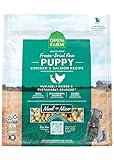
Overview: Open Farm Freeze Dried Raw Puppy Food offers a substantial 13.5-ounce bag of chicken and salmon morsels designed as either a complete meal or topper. With 95% meat, organs, and bone, this high-protein formula includes DHA from omega-rich salmon to support brain and vision development. Organic vegetables and superfoods round out the nutrition profile, while the freeze-drying process locks in flavor without artificial preservatives.
What Makes It Stand Out: The generous 13.5-ounce size provides extended feeding options for multi-dog households or larger puppies. Open Farm’s commitment to organic produce and superfoods delivers antioxidant support beyond basic nutrition. The bite-sized morsels suit all breeds and sizes, eliminating the need to break apart larger pieces for small mouths. The dual-purpose design as complete meal or topper offers maximum flexibility.
Value for Money: This bag offers the best cost-per-ounce value in the lineup, making sustained raw feeding financially accessible. The versatility as both meal and topper means one product serves multiple purposes, reducing the need for separate supplements. While still premium-priced, the organic ingredients and larger quantity justify the investment for committed raw feeders.
Strengths and Weaknesses: Pros: Excellent value for size; organic produce; DHA from salmon; versatile usage; suitable for all breeds; no artificial preservatives. Cons: Requires rehydration for optimal moisture; larger bag needs proper storage; may be overpowering for kibble-only puppies; premium price.
Bottom Line: The best value for owners committed to raw nutrition. Perfect for medium to large breed puppies or households wanting organic ingredients. Use as a complete meal for full benefits or as a substantial topper. The size and quality make it a worthwhile investment.
5. Primal Freeze Dried Puppy Dog Food, Pronto Mini Nuggets; Scoop & Serve, Complete & Balanced Meal; Also Use As Topper or Treat; Premium, Healthy, Grain Free, High Protein Raw Dog Food (16 oz)
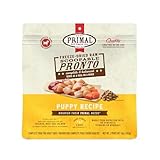
Overview: Primal Freeze Dried Puppy Food in Pronto Mini Nugget format delivers premium raw nutrition in a convenient 16-ounce package. Made with cage-free chicken and wild-caught salmon, this grain-free recipe includes USDA-certified organic fruits and vegetables. The mini nugget design allows easy portion control, while the formula supports optimal weight, skin and coat health, and reduces stool volume through maximum nutrient absorption.
What Makes It Stand Out: The 16-ounce size offers the largest quantity, ideal for dedicated raw feeders. Primal’s emphasis on rehydration satisfies dogs’ natural moisture needs and instinctual feeding patterns. The formula excludes common allergens like corn, wheat, soy, lentils, and legumes, making it suitable for sensitive puppies. The absence of synthetic vitamins and minerals demonstrates a commitment to whole-food nutrition.
Value for Money: This bulk option provides the lowest cost-per-ounce for premium freeze-dried raw, rewarding committed buyers. The versatility as meal, topper, or treat maximizes utility, while the nutrient density reduces overall feeding amounts. Though the highest upfront cost, it delivers the best long-term value for multi-dog homes or large breed puppies requiring sustained raw feeding.
Strengths and Weaknesses: Pros: Largest size/best value; wild-caught salmon; organic ingredients; no synthetics; versatile usage; allergen-free. Cons: Best when rehydrated (adds prep time); highest upfront cost; may be too rich for some puppies; requires storage space.
Bottom Line: The top choice for serious raw feeders wanting maximum convenience and value. Ideal for large breed puppies or multi-dog households. Rehydrate for optimal benefits, and use as a complete meal for best results. The quality and quantity justify the premium investment.
6. Stella & Chewy’s Freeze-Dried Raw Dinner Patties - Chicken Recipe - High Protein Grain-Free Puppy & Dog Food - Perfect For Picky Eaters - 14 oz

Overview: Stella & Chewy’s Chicken Patties deliver premium freeze-dried raw nutrition in a convenient 14-ounce package designed for puppies and adult dogs. These patties feature a 95% cage-free chicken and organ formulation that appeals to selective eaters while providing complete, balanced nutrition for all life stages.
What Makes It Stand Out: The exceptional palatability consistently converts finicky dogs, making mealtime stress-free for frustrated owners. The whole-prey approach includes muscle meat, organs, and bone for natural nutrient density. Versatility shines through three serving methods: complete meals, crumbled toppers, or high-value training treats. The inclusion of probiotics and omega fatty acids supports digestive health and coat condition, while 100% organic fruits and vegetables add antioxidant benefits. Small-batch USA production ensures quality control.
Value for Money: At approximately $2.50 per ounce, this premium product costs more than kibble but significantly less than fresh raw diets requiring refrigeration. The 14-ounce bag provides about 8-10 meals for a 25-pound dog, translating to $3-4 per meal—competitive within the freeze-dried category. The ability to use as a topper extends value by enhancing less expensive base foods.
Strengths and Weaknesses: Strengths include superior ingredient quality, multiple feeding options, excellent palatability, and comprehensive nutrition with probiotics. Weaknesses involve premium pricing, small bag size limiting multi-dog households, and required rehydration time. Some dogs may experience digestive adjustment when transitioning to raw.
Bottom Line: Ideal for picky eaters and health-conscious pet parents seeking raw nutrition convenience. While expensive, the quality justifies the cost. Best used as a rotational diet or topper to manage expenses while maximizing benefits. Highly recommended for single-dog households or small breeds.
7. Open Farm, Freeze Dried Raw Puppy Food, Patties with 95% Meat, Organs & Bone, Complete Meal or Freeze Dried Dog Food Mixer, Chicken & Salmon Puppy Recipe, 10.5oz Bag

Overview: Open Farm’s Chicken & Salmon Puppy Patties provide targeted nutrition for growing puppies in a 10.5-ounce freeze-dried format. This recipe combines 95% meat, organs, and bone with DHA-rich salmon to support critical developmental stages, serving as either a complete meal or mixer.
What Makes It Stand Out: The deliberate inclusion of salmon delivers omega-rich DHA specifically for brain and vision development in puppies—a feature many adult-focused formulas lack. The brand’s commitment to transparent, responsibly-sourced ingredients builds trust, while organic vegetables and superfoods provide antioxidants and fiber. The freeze-drying process preserves nutrients without artificial preservatives, and the patty form works for all breed sizes.
Value for Money: Priced around $2.70 per ounce, this puppy-specific formula commands a slight premium over adult versions. For a 20-pound puppy, the bag yields roughly 6-7 complete meals at $4-5 each. While expensive compared to kibble, the developmental benefits and ingredient quality justify the cost. Using as a mixer stretches value while still providing DHA benefits.
Strengths and Weaknesses: Strengths include puppy-specific DHA formulation, excellent ingredient transparency, high protein content, and versatile serving options. Weaknesses involve the smaller 10.5-ounce bag size, premium pricing, and limited protein variety. The salmon component may not suit all puppies’ taste preferences initially.
Bottom Line: An excellent investment for puppy owners prioritizing developmental nutrition. The DHA enrichment sets it apart for growing dogs. Best utilized as a complete diet during critical growth phases or as a regular mixer for sustained benefits. Worth the premium for conscientious puppy parents.
8. Dr. Marty Nature’s Blend Healthy Growth Puppy Dry Dog Food 16 oz

Overview: Dr. Marty’s Nature’s Blend offers a freeze-dried raw formula specifically engineered for puppy development in a 16-ounce package. This diet emphasizes whole food ingredients with the unique addition of nutrient-rich goat milk to support brain, bone, and muscle growth during critical developmental windows.
What Makes It Stand Out: The goat milk component distinguishes this formula, providing highly bioavailable calcium, probiotics, and medium-chain fatty acids that support skeletal development and digestive health. The minimal processing approach preserves natural enzymes and nutrients often destroyed in conventional cooking. Antioxidant-rich vegetables support immune function, while the grain-free formulation suits sensitive puppies.
Value for Money: At roughly $2.40 per ounce, the larger 16-ounce bag offers slightly better value than smaller competitors. For a 25-pound puppy, expect 9-11 meals per bag at approximately $3.50 per meal. While still premium-priced, the goat milk addition and larger size improve cost-effectiveness. However, it remains significantly more expensive than traditional puppy kibble.
Strengths and Weaknesses: Strengths include unique goat milk nutrition, larger bag size reducing purchase frequency, minimal processing retaining nutrients, and whole-food ingredient philosophy. Weaknesses involve premium pricing, limited retail availability, and potential digestive sensitivity to goat milk in some puppies. The brand’s direct-to-consumer model may complicate returns.
Bottom Line: A solid choice for puppy owners seeking goat milk’s developmental benefits. The 16-ounce size adds convenience, but verify your puppy tolerates goat milk. Best as a primary diet for committed raw feeders rather than occasional topping. Consider availability before committing.
9. Stella & Chewy’s Freeze-Dried Raw Dinner Patties - Beef Recipe - High Protein Grain-Free Puppy & Dog Food - Perfect For Picky Eaters - 25 oz

Overview: This beef variant of Stella & Chewy’s popular patties delivers the same premium freeze-dried raw nutrition in a more economical 25-ounce package. Featuring grass-fed beef and organs, this formula serves puppies and adult dogs with a protein alternative for rotation or dogs preferring red meat.
What Makes It Stand Out: The 25-ounce size significantly improves convenience for multi-dog households or large breeds, reducing reorder frequency. Grass-fed sourcing ensures higher omega-3 content and cleaner nutrient profiles compared to conventional beef. The whole-prey formulation includes organs and bone for natural calcium and phosphorus balance. Like its chicken counterpart, it offers three serving methods and includes probiotics and organic produce.
Value for Money: At approximately $2.20 per ounce, the larger bag drops the price point noticeably versus the 14-ounce version. A 50-pound dog receives about 12-14 meals per bag, costing roughly $4 per meal—competitive for premium freeze-dried raw. The versatility as topper or treat extends value, while bulk purchasing reduces packaging waste.
Strengths and Weaknesses: Strengths include cost-effective larger size, grass-fed beef quality, exceptional palatability for picky eaters, and complete life-stage nutrition. Weaknesses involve premium pricing still higher than kibble, beef protein potentially triggering allergies in some dogs, and substantial upfront cost. Storage space may challenge some households.
Bottom Line: The 25-ounce beef formula offers the best value in Stella & Chewy’s line. Perfect for owners committed to raw feeding who want red meat variety. Ideal for medium to large dogs or multi-pet homes. The larger size justifies the investment for regular users.
10. Stella & Chewy’s Freeze Dried Raw Chewy’s Chicken Meal Mixers – Dog Food Topper for Small & Large Breeds – Grain Free, Protein Rich Recipe – 8 oz Bag

Overview: Marketed specifically as a meal mixer, this 8-ounce chicken formula lets pet parents enhance existing diets without committing to a complete food change. The same 95% cage-free chicken recipe appears in a smaller package designed for crumbling over kibble or wet food.
What Makes It Stand Out: The focused positioning as a topper eliminates confusion about primary use. The small bag size allows trial without financial strain, perfect for testing palatability before larger purchases. It delivers concentrated nutrition in small quantities—just a few crumbles provide probiotic benefits and protein boost. The resealable bag maintains freshness during extended use, and the product works equally well for toy breeds through giant breeds.
Value for Money: At roughly $3.00 per ounce, this is the most expensive per-ounce option in the lineup. However, used as directed (tablespoon per meal), one bag lasts a 40-pound dog approximately 30 days, costing about $0.50 per day to enhance standard kibble. This transforms it from expensive complete food to affordable nutrition booster. The entry-level size prevents waste if dogs reject it.
Strengths and Weaknesses: Strengths include low commitment trial size, concentrated nutrition requiring minimal amounts, same premium ingredients as larger bags, and excellent palatability enhancement. Weaknesses involve high per-ounce cost, unsustainably expensive as complete diet, and frequent repurchasing for regular users. Packaging generates more waste proportionally.
Bottom Line: The perfect entry point for curious owners or ideal permanent solution for budget-conscious shoppers wanting raw benefits. Use as intended—as a topper—to maximize value and minimize cost. Not recommended as sole diet due to pricing structure. Excellent for revitalizing boring meals.
Why Freeze-Dried Food is Ideal for Traveling with Puppies
Lightweight and Space-Saving Benefits
When every ounce matters in your travel pack, freeze-dried puppy food offers an unbeatable advantage. The removal of moisture reduces weight by up to 70% compared to traditional wet food, while the compact nature means you can pack several days’ worth of meals in the space a single can of food would occupy. This efficiency is particularly valuable for air travel where baggage fees are calculated by weight, or backpacking trips where you’re carrying everything on your shoulders. The concentrated nutrition means smaller serving sizes deliver complete caloric and nutrient requirements, allowing you to pack more efficiently without sacrificing your puppy’s dietary needs.
Nutritional Integrity During Travel
The freeze-drying process preserves raw ingredients at their peak nutritional value by removing water through sublimation rather than heat. This means the proteins, enzymes, vitamins, and amino acids remain intact and bioavailable, which is especially important for puppies whose growing bodies demand high-quality nutrition. Unlike kibble that can degrade in hot vehicles or canned food that may spoil once opened, freeze-dried meals maintain their nutritional profile across temperature fluctuations and extended storage periods. This stability ensures your puppy receives consistent nutrition throughout your journey, supporting their immune system, bone development, and cognitive function during what can be a stressful experience.
Reduced Mess and Odor Control
Traveling with puppies already involves enough cleanup situations without adding food spills to the mix. Freeze-dried food comes in dry, crumb-free nuggets or powder that won’t leak, stain upholstery, or create sticky residues in your vehicle or accommodation. The low moisture content also means minimal odor, both in the package and during feeding, which keeps your travel space fresh and reduces attraction to wildlife when camping. Unlike raw diets that require careful handling and refrigeration, freeze-dried options eliminate cross-contamination concerns and the need for ice packs, making them ideal for confined spaces like hotel rooms or RVs.
Understanding Freeze-Dried Puppy Nutrition
Protein Requirements for Growing Puppies
Puppies require significantly more protein than adult dogs—typically 22-32% of their diet—to support rapid muscle development, organ growth, and immune function. When evaluating freeze-dried options, look for formulations where high-quality animal protein appears as the first ingredient, whether that’s chicken, turkey, beef, or fish. The protein source should be specifically identified rather than vague terms like “meat meal” or “animal by-products.” For travel, consistent protein sources are crucial since sudden changes can cause digestive upset. The freeze-drying process maintains protein structures better than high-heat extrusion used in kibble manufacturing, delivering more digestible amino acids that growing puppies can efficiently utilize.
Essential Fats and Omegas for Development
Healthy fats constitute 10-25% of a puppy’s dietary needs, providing concentrated energy for their high metabolism and supporting brain development, vision, and coat health. Quality freeze-dried formulas include omega-3 and omega-6 fatty acids from sources like fish oil, flaxseed, or chicken fat. These nutrients are particularly vulnerable to oxidation in traditional dry foods but remain stable in freeze-dried form. When traveling, these fats help maintain your puppy’s skin barrier against environmental stressors and support cognitive function during new experiences. Check that the fat content is appropriate for your puppy’s breed size—large breeds need controlled fat levels to prevent overly rapid growth that can stress developing joints.
Vitamins, Minerals, and Calcium-Phosphorus Ratios
The mineral balance in puppy food is non-negotiable for proper skeletal development. Freeze-dried diets should contain optimal calcium-to-phosphorus ratios between 1:1 and 1.8:1, with large breed puppies requiring the lower end of this range to prevent orthopedic issues. The freeze-drying process better preserves heat-sensitive vitamins like A, E, and B-complex compared to conventional cooking methods. Look for formulas that include chelated minerals, which are more easily absorbed during digestion. When traveling, your puppy’s stress levels can deplete certain nutrients faster, making the bioavailability of vitamins and minerals in freeze-dried food particularly valuable for maintaining their health on the road.
Key Features to Look for in Travel-Friendly Puppy Food
Complete and Balanced Formulation
Not all freeze-dried foods are created equal, and for puppies, “complete and balanced” isn’t just marketing—it’s essential. This designation means the formulation meets AAFCO (Association of American Feed Control Officials) standards for growth and reproduction, ensuring it contains all necessary nutrients in proper proportions. For travel, you want single-step meals that don’t require mixing with other foods or supplements, which adds complexity to your packing list. Check the packaging for the nutritional adequacy statement confirming it’s suitable for “all life stages” or specifically for “growth.” This eliminates guesswork and ensures your puppy receives comprehensive nutrition without you having to pack additional vitamins or toppers that could complicate feeding routines.
Rehydration Speed and Ease
When you’ve just arrived at your destination after a long drive or hike, waiting 20 minutes for food to rehydrate with a crying puppy isn’t ideal. The best travel formulations rehydrate within 3-5 minutes using warm water, with some options designed for cold-water rehydration when hot water isn’t available. The texture should break down easily without requiring vigorous mashing or stirring. Consider the format—some products come as small nuggets that rehydrate quickly, while others are dense patties that take longer. For air travel or situations where water access is limited, some puppies will even eat certain freeze-dried foods dry, though this requires ensuring they drink adequate water separately.
Ingredient Sourcing and Quality Standards
Transparent sourcing indicates a manufacturer’s commitment to quality, which directly impacts your puppy’s health. Look for formulations using human-grade ingredients sourced from reputable suppliers with quality control certifications. Human-grade doesn’t automatically mean better nutrition, but it does indicate stricter handling and processing standards. For travel, consistency is key—knowing exactly what ingredients your puppy consumes helps you avoid unexpected allergic reactions or digestive issues when you’re far from your regular veterinarian. Manufacturers should clearly state country of origin for proteins and whether ingredients are raised without antibiotics or hormones.
Safety Certifications and Manufacturing Practices
The freeze-drying process must be validated to eliminate pathogens like Salmonella and E. coli, which is especially important for puppies with developing immune systems. Look for products manufactured in facilities with regular safety audits and those that use HPP (High Pressure Processing) as an additional safety step. Third-party testing certifications provide independent verification of safety and nutritional claims. When traveling, you won’t have easy access to veterinary care, so food safety becomes even more critical. Packaging should include clear lot numbers for traceability and feeding guidelines specifically for puppies by weight and age, not just generic “dog” recommendations.
Age-Appropriate Considerations for Traveling Puppies
8-12 Weeks: Early Socialization Period
Puppies in this critical developmental window are particularly vulnerable to stress and digestive upset, making dietary consistency paramount. Their tiny stomachs require 3-4 small meals daily, and they haven’t yet developed robust immune systems. When traveling with a very young puppy, choose freeze-dried formulas specifically designed for weaning-age puppies that are finely ground and extremely easy to rehydrate into a gruel-like consistency. The protein should be highly digestible, typically single-source poultry. Travel schedules must accommodate frequent feeding times, and you should pack extra food since their intake can be unpredictable during stress. Never attempt a diet switch during travel at this age—establish the freeze-dried routine at least two weeks before departure.
3-6 Months: Rapid Growth Phase
This is when puppies experience their most intense growth and have seemingly endless energy, requiring dense nutrition to fuel development. Medium and large breed puppies need carefully controlled calcium levels to prevent developmental orthopedic diseases. Freeze-dried food for this age group should support their increased caloric needs while maintaining appropriate mineral ratios. Travel during this phase is actually ideal since puppies are more adaptable, but their chewing behavior means you might need larger rehydrated pieces to satisfy their teething instincts. Pack interactive feeding toys that work with rehydrated freeze-dried food to provide mental stimulation during long car rides or in hotel rooms, helping manage their boundless energy in confined spaces.
6-12 Months: Adolescent Nutritional Needs
As puppies approach adulthood, their growth rate slows but their activity levels often increase, requiring nutritional adjustments. Large breed puppies may still need growth-formula food until 12-18 months, while small breeds can transition to adult maintenance formulas around 9-12 months. Travel with adolescent puppies becomes easier as their digestive systems are more robust, but their curiosity means secure food storage is essential—they can and will attempt to open improperly sealed bags. This age group benefits from freeze-dried formulas with added joint support supplements like glucosamine, especially if your travels involve hiking or increased physical activity that stresses developing joints.
Portability and Packaging Factors
Resealable and Durable Packaging
The best travel packaging goes beyond basic zip closures. Look for bags with multiple sealing mechanisms—primary zip locks reinforced with secondary roll-top closures that prevent moisture infiltration and contain any crumbs. The material should be puncture-resistant since puppy teeth and claws can easily compromise flimsy packaging. For extended trips, consider transferring food to rigid, airtight containers that protect against crushing in packed vehicles. Some manufacturers offer single-serve pouches that eliminate measuring and reduce exposure to air and humidity, though these generate more waste. The packaging should also be light-blocking to preserve nutrient integrity if left in sun-exposed vehicles during travel stops.
Portion Control and Measuring Systems
Accurate feeding is critical for puppies, and travel disrupts normal measuring routines. Quality freeze-dried foods include clear feeding guidelines based on current weight and expected adult weight, not just generic ranges. Some brands incorporate scoops that measure by volume rather than weight, which is invaluable when you don’t have access to a scale. Pre-portioning meals into individual reusable bags before departure eliminates guesswork and ensures consistency. For multi-week trips, create a feeding chart that accounts for your puppy’s expected weight gain, adjusting portions as they grow. This prevents overfeeding, which can cause dangerous rapid growth in large breeds, or underfeeding, which starves developing bodies of essential nutrients.
TSA and Travel Regulation Compliance
Air travel with puppy food requires understanding regulations. Freeze-dried food is generally permitted in both carry-on and checked baggage, but it’s subject to inspection. Keep food in original packaging with ingredient labels visible to expedite security screening. For international travel, research destination country import restrictions on animal products—some nations prohibit certain protein sources or require health certificates. When crossing state lines by car, be aware of agricultural inspection stations that may ask about pet food. Pack a copy of your puppy’s health certificate and a letter from your veterinarian stating the food is medically necessary, which can smooth over potential issues with overzealous officials.
Hydration Requirements and Water Management
Calculating Water Needs for Rehydration
Freeze-dried food typically requires a 1:1 to 1:2 ratio of food to water, but this varies by formula. A 10-pound puppy eating one cup of dry freeze-dried food daily might need 1-2 cups of water just for rehydration, plus additional drinking water. Calculate your total water needs before departure: rehydration water + drinking water (approximately 1 ounce per pound of body weight daily) + buffer for spills or delays. For car travel, pack collapsible water containers that store flat when empty. When camping, bring a portable water filter since you’ll need clean water for both drinking and food preparation. In hot climates, increase water calculations by 25-50% to account for dehydration risk.
Portable Water Solutions for Puppy Travel
Invest in a high-quality insulated bottle that keeps water at optimal rehydration temperature (warm, not hot) for hours. Battery-powered water dispensers with heating elements exist for serious travelers, though they’re overkill for most trips. For air travel, empty water bottles can be filled after security, but pack a few single-serve water packets for immediate feeding upon arrival. Consider teaching your puppy to drink from a water bottle with a pet adapter—this skill is invaluable during hikes when bowls are impractical. Always pack a backup water source; vehicle breakdowns or flight delays can strand you without access to potable water, leaving you unable to feed your puppy properly.
Allergen and Sensitivity Considerations
Common Puppy Food Allergens to Avoid
While true food allergies take time to develop, puppies can have immediate sensitivities to certain ingredients, and identifying these before travel is crucial. Common triggers include chicken, beef, dairy, wheat, and soy. The stress of travel can exacerbate mild sensitivities, turning them into full-blown digestive crises. Novel protein sources like duck, rabbit, or venison may be safer for sensitive puppies, though these should be tested at home first. The limited ingredient lists typical of quality freeze-dried foods make it easier to identify and avoid potential triggers. When traveling, you won’t have access to your regular vet or familiar remedies, so preventing reactions through careful ingredient selection is far better than managing them on the road.
Limited Ingredient Diets for Travel
Single-protein, limited-ingredient freeze-dried formulas offer simplicity and safety for travel. With fewer components, there’s less risk of encountering an ingredient that upsets your puppy’s stomach. These diets typically contain one protein source, one or two carbohydrate sources, and essential vitamins and minerals—nothing extraneous. This simplicity makes it easier to find replacement food if you run out during extended travel, as you can focus on matching the primary protein rather than complex formulations. For puppies with known sensitivities, carry a small supply of their previous food as a backup, mixing gradually if you need to source a different freeze-dried formula mid-trip.
Transitioning Your Puppy to Freeze-Dried Food Before Travel
The 7-10 Day Transition Timeline
Never switch your puppy’s food immediately before or during travel. Start the transition at least 10 days before departure, mixing 25% freeze-dried with 75% current food for days 1-3, then 50/50 for days 4-6, then 75/25 for days 7-9, moving to 100% by day 10. This gradual change allows your puppy’s digestive enzymes and gut flora to adapt, preventing diarrhea, gas, or vomiting that would be miserable for both of you during travel. Monitor stool quality throughout—ideal transitions produce firm, formed stools. If you see loose stool, slow the transition by maintaining the current ratio for an extra day or two. Document your puppy’s response so you know which ratios work best if you need to reintroduce a backup food during travel.
Monitoring Digestive Health During Switch
During the transition period, track not just stool quality but also energy levels, appetite, and any signs of discomfort. Puppies may drink more water during the switch to freeze-dried food, which is normal but requires monitoring to ensure adequate hydration. Keep a simple journal noting feeding amounts, water intake, and any symptoms. This documentation helps you identify if the new food truly agrees with your puppy before you’re committed to it on the road. Some puppies experience temporary changes in stool color or frequency as their systems adjust—greenish or darker stools can be normal initially but should resolve within a few days. If digestive issues persist beyond day 5 of the transition, consult your veterinarian before proceeding with travel plans.
Feeding Schedules While on the Road
Maintaining Routine Amidst Disruption
Puppies thrive on routine, and travel inherently disrupts schedules. Try to maintain your regular feeding times within a 30-minute window, even when crossing time zones. Set phone alarms to remind yourself of feeding times amidst the chaos of travel. If you’re driving, plan stops around feeding schedules—never feed a puppy in a moving vehicle due to choking risk and motion sickness. For air travel, feed 3-4 hours before the flight to allow digestion and a bathroom break, then offer a small meal upon arrival. The consistency of freeze-dried food makes it easy to prepare quickly at rest stops or in airport pet relief areas, helping you stick to routine even in unconventional locations.
Adjusting Portions for Activity Levels
Travel days often involve different activity levels than normal—long periods of confinement followed by bursts of excitement. Reduce portions by 10-15% on heavy travel days with minimal exercise to prevent weight gain and digestive issues from inactivity. Conversely, if your trip involves hiking or increased physical activity, increase portions by up to 20% to fuel the extra energy expenditure. The beauty of freeze-dried food is its caloric density, making these adjustments easy to calculate. Keep a portable scale to weigh your puppy every few days during extended trips, ensuring they’re maintaining healthy growth patterns. Rapid weight loss or gain indicates you need to adjust portions or that travel stress is affecting their metabolism.
Storage and Safety During Travel
Temperature Control and Shelf Stability
While freeze-dried food is shelf-stable, extreme temperatures can degrade nutrients over time. Avoid storing food in direct sunlight or hot vehicle interiors for extended periods—use insulated coolers or store bags under seats. The food remains safe to eat after temperature fluctuations, but nutritional value may diminish. In cold weather, prevent moisture condensation when bringing food from cold vehicles into warm accommodations by keeping it in airtight containers. Once opened, most freeze-dried foods remain fresh for 4-6 weeks if properly sealed, but humidity accelerates degradation. In tropical or very humid climates, consider using desiccant packets (food-safe ones) in your storage container to absorb excess moisture.
Preventing Contamination in Transit
Use dedicated scoops that stay inside the food bag to avoid introducing contaminants from your hands or environment. Never place the scoop on questionable surfaces like campground picnic tables or hotel bathroom counters. If preparing food in advance, use clean, dry containers and refrigerate rehydrated portions if they won’t be consumed within 30 minutes—bacteria can grow rapidly in rehydrated food left at room temperature. Pack hand sanitizer and use it before handling food if soap and water aren’t available. Keep food storage areas separate from puppy potty supplies, waste bags, and dirty gear to prevent cross-contamination that could lead to foodborne illness.
Cost Considerations and Value Assessment
Price Per Serving Analysis
Freeze-dried puppy food typically costs more per pound than kibble, but the comparison is misleading. Because moisture is removed, you’re paying for concentrated nutrition, not water weight. Calculate cost per serving based on your puppy’s daily needs: a 5-pound bag might last a 20-pound puppy two weeks, making the daily cost comparable to premium wet food. For travel, factor in the hidden savings—no need for refrigeration, ice packs, or special storage; reduced risk of digestive issues leading to vet visits; and the ability to pack light avoiding checked bag fees. Create a spreadsheet comparing your puppy’s current food cost per day to freeze-dried options to make an informed budget decision.
Bulk Buying vs. Travel-Size Packaging
For short trips, pre-portioned trial sizes or small bags (1-2 pounds) offer convenience and freshness, though they cost more per ounce. For extended travel of several weeks, bulk bags (5-8 pounds) provide better value but require careful repackaging into daily portions to minimize air exposure. Some manufacturers offer multi-pack bundles of smaller bags at a slight discount, giving you the best of both worlds. Consider splitting costs with puppy-owning friends to purchase larger quantities, or join online communities where members buy in bulk and divide shipments. The key is balancing the savings of bulk buying against the risk of food degrading before use, especially in variable travel conditions.
Common Mistakes to Avoid
Last-Minute Food Switches
The most critical error is introducing freeze-dried food for the first time during travel. Even if you forget to pack your puppy’s regular food, resist the urge to buy a new freeze-dried formula and feed it immediately. Instead, find the closest match to their current diet, purchase a small amount, and mix it with whatever familiar food you can source, even if that means cooking plain chicken and rice temporarily. The stress of travel combined with a new food can trigger severe gastrointestinal distress, dehydration, and emergency vet visits—far more disruptive than a temporary bland diet. Always pack 2-3 days of extra food beyond your planned trip duration to account for delays.
Over or Under-Feeding During Travel
Travel stress, temperature changes, and altered activity levels affect caloric needs, but guessing leads to problems. Overfeeding causes diarrhea, vomiting, and dangerous rapid growth in large breeds, while underfeeding compromises immune function and development. Use a portable digital scale to weigh food accurately rather than eyeballing portions. Remember that freeze-dried food expands significantly when rehydrated—what looks like a small dry amount becomes a substantial meal. Follow the feeding guidelines for your puppy’s current weight, not their estimated adult weight, and adjust based on body condition scoring (you should be able to feel ribs easily but not see them prominently).
Ignoring Puppy’s Stress Signals
Puppies communicate distress through behavior changes that affect eating. Refusing food for more than one meal, excessive lip licking, drooling, or restlessness after eating indicate problems. Travel stress can suppress appetite, but it can also mask digestive discomfort. If your puppy shows disinterest in freeze-dried food they normally enjoy, don’t force it—offer a smaller portion or mix in a tiny amount of a high-value treat like a teaspoon of plain pumpkin (not pie filling) to entice them. Persistent refusal or vomiting requires veterinary attention, as puppies can become hypoglycemic quickly. Always have your vet’s number and a backup emergency clinic mapped for your destination.
Alternatives to Freeze-Dried Puppy Food for Travel
Dehydrated vs. Freeze-Dried Comparison
Dehydrated foods use low heat to remove moisture, which partially cooks ingredients and reduces some nutritional value compared to freeze-drying. However, they’re often more affordable and still nutritionally superior to kibble. Dehydrated foods typically require longer rehydration times (10-15 minutes) and may have a softer, less meat-like texture that some puppies prefer. For short trips, high-quality dehydrated puppy food can be a viable alternative, especially if your puppy already eats this diet at home. The key difference is that dehydrated foods aren’t truly “raw” and may be slightly less digestible for some puppies, but they offer similar portability benefits.
High-Quality Kibble Options for Short Trips
For weekend trips or as emergency backup, premium puppy kibble designed for all life stages can work if freeze-dried isn’t feasible. Choose kibble with small kibble size appropriate for puppy mouths, and look for formulations with probiotics to support digestive health during stress. The downside is kibble’s lower palatability when puppies are stressed, potential for dehydration since it’s dry, and the fact that it occupies more space and weight. If using kibble as a backup, pre-measure portions and consider adding a freeze-dried meal topper to increase palatability and moisture content. Never feed kibble exclusively for extended periods if your puppy normally eats a different diet, as the sudden switch can cause issues.
Final Pre-Trip Checklist
Food and Feeding Supplies Inventory
Count exact meals needed (days × daily feedings) plus a 3-day emergency supply. Pack your designated puppy food container, measuring scoop, collapsible bowls (one for food, one for water), and a portable water bottle or heating method. Include a small notebook for tracking feeding times and amounts, plus a copy of feeding guidelines from the food package in case you lose the original bag. Pack cleaning supplies: pet-safe disinfectant wipes, extra zip-top bags for waste, and a sealable container for soiled bowls. If your puppy uses meal toppers or supplements, portion these separately and label clearly. Test all equipment two days before departure to ensure you know how to use it efficiently.
Documentation and Veterinary Records
Carry a health certificate if traveling across state lines or internationally, plus vaccination records showing your puppy is current on all required immunizations. Ask your vet for a letter stating your puppy’s dietary needs and that the freeze-dried food is medically necessary—this can help with customs or if you need to board your puppy unexpectedly. Research emergency veterinary clinics along your route and at your destination, saving their contact information in your phone. Consider pet travel insurance that covers dietary-related illnesses. Photograph your puppy’s food bag, including the ingredient list and feeding guidelines, so you have a reference if you need to find similar food during your trip. Keep a digital copy of your puppy’s microchip information and recent photo in case they get lost during travel.
Frequently Asked Questions
How long can freeze-dried puppy food sit out after rehydration?
Rehydrated freeze-dried food should be treated like fresh food and not left at room temperature for more than 30 minutes. In temperatures above 75°F, reduce this to 15-20 minutes. Bacteria can multiply rapidly once moisture is reintroduced. If your puppy doesn’t finish their meal, discard the remainder and clean the bowl thoroughly with soap and water. For puppies who eat slowly, serve smaller portions more frequently rather than leaving food out. Never refrigerate and reuse partially eaten portions due to saliva contamination.
Can I feed freeze-dried food dry without rehydrating it?
While some freeze-dried foods can be fed dry, this isn’t recommended for puppies. The dry nuggets are extremely concentrated and can be difficult for puppies to chew and digest properly. More importantly, feeding dry significantly increases dehydration risk since puppies may not drink enough water to compensate. Always rehydrate for puppies under 6 months. For older puppies on short trips where water is limited, you can occasionally feed dry if you ensure they’re drinking adequate water separately, but this should be the exception, not the rule.
What if my puppy refuses to eat freeze-dried food during travel?
First, ensure you’re using warm (not hot) water for rehydration, as temperature affects aroma and palatability. Try adding a small amount of low-sodium broth or a teaspoon of canned pumpkin to entice them. Reduce the portion size and offer it by hand to reduce stress. If refusal persists for more than one meal, check for other stress signals and ensure they have access to quiet, comfortable eating space away from high-traffic areas. Persistent refusal beyond 24 hours warrants a vet call, as puppies can develop hypoglycemia quickly.
How do I calculate how much freeze-dried food to pack for a two-week trip?
Calculate your puppy’s daily dry serving amount based on their current weight using the package guidelines. Multiply by 14 days, then add a 3-day emergency buffer (17 days total). For example, if your 20-pound puppy eats 1.5 cups dry per day, pack 25.5 cups total. Since freeze-dried food is light, a pound typically contains 4-5 cups, so you’d need approximately 5-6 pounds. Weigh your puppy before departure and again mid-trip, adjusting if they’ve grown significantly. Always pack a small digital scale to verify amounts.
Is freeze-dried puppy food safe for all breeds and sizes?
Yes, but you must select age and size-appropriate formulations. Large and giant breed puppies need specific calcium and phosphorus levels to prevent developmental orthopedic diseases, so ensure the food is labeled for “large breed puppies.” Small breed puppies benefit from formulas with smaller nugget sizes and higher caloric density per bite since they have fast metabolisms but tiny stomachs. The freeze-drying process itself is safe for all breeds, but the formulation must match your puppy’s specific developmental requirements.
Can I mix freeze-dried food with my puppy’s regular kibble during travel?
Yes, mixing can ease transitions and provide variety, but do it systematically. Use the same 7-10 day transition principle, even for short-term mixing. If your puppy normally eats kibble but you want to incorporate freeze-dried for travel benefits, start mixing weeks before departure. Never mix on the day of travel unless they’ve already adjusted to the combination. Mixing can be particularly useful for picky eaters or to stretch your freeze-dried supply on longer trips, but remember to adjust water amounts since kibble doesn’t require rehydration.
How do I handle feeding during flights with freeze-dried food?
Feed your puppy 3-4 hours before the flight to allow digestion and a bathroom break. Pack a single serving in a leak-proof container for immediate feeding upon arrival. For long layovers, you can rehydrate food in airport pet relief areas using warm water from food vendors. Never attempt to rehydrate food on the plane itself—it’s messy and violates most airline policies. If your puppy is flying in-cabin, pack a small, empty, collapsible bowl and ask flight attendants for warm water after landing. For cargo travel, attach feeding instructions to the crate and provide a small baggie of dry freeze-dried food that airline staff can offer if there are significant delays.
What water temperature is best for rehydrating puppy food?
Warm water (approximately 100-110°F) is ideal—it speeds rehydration to 3-5 minutes and enhances aroma, making the food more appealing to puppies. Hot water can destroy some heat-sensitive nutrients and create hot spots that burn your puppy’s mouth. Cold water works but takes 10-15 minutes and may not rehydrate as thoroughly, potentially leaving hard centers that are difficult for puppies to chew. When traveling, carry an insulated bottle to maintain warm water throughout the day, or ask for warm water at coffee shops and restaurants—they’re usually happy to help.
Are there any puppies who shouldn’t eat freeze-dried food?
Puppies with severely compromised immune systems, those recovering from parvovirus or other serious illnesses, or puppies with certain pancreatic conditions may need cooked, easily digestible diets instead. Very young puppies (under 8 weeks) transitioning from mother’s milk need extremely fine-textured, easily digestible formulas—some may do better on specialized gruel temporarily. Always consult your veterinarian before switching any puppy with health issues. Additionally, puppies with severe food allergies may need hydrolyzed protein diets that aren’t available in freeze-dried form.
How do I store leftover freeze-dried food after opening during travel?
Immediately reseal the bag, removing as much air as possible. If the original closure seems compromised, transfer to a heavy-duty zip-top bag or airtight container. Keep the bag in a cool, dark place—never in direct sunlight or hot vehicle interiors. In humid climates, add a food-safe desiccant packet to absorb moisture. Once opened, aim to use the food within 4-6 weeks for optimal freshness, though it’s typically safe beyond that if stored properly. Write the opening date on the bag with a permanent marker so you know how long it’s been open. If the food develops any off odors, discoloration, or visible mold, discard it immediately.