When it comes to building lean muscle mass in dogs, nutrition plays a far more critical role than many pet owners realize. Just like human athletes rely on protein-rich diets to support strength training and recovery, our canine companions need adequate protein to develop and maintain healthy muscles throughout their lives. Whether you have a working dog, an active sporting breed, or a senior pup trying to preserve muscle mass, understanding the fundamentals of high-protein nutrition can make a dramatic difference in your dog’s physical condition and overall vitality.
The pet food market has exploded with options claiming to support muscle development, but not all high-protein formulas are created equal. Navigating ingredient lists, deciphering protein percentages, and understanding quality versus quantity can feel overwhelming. This comprehensive guide cuts through the marketing noise to equip you with the knowledge you need to evaluate dry dog foods for muscle development confidently. We’ll explore what makes protein effective for muscle building, which ingredients truly matter, and how to match your dog’s specific needs with the right nutritional profile.
Top 10 High-Protein Dry Dog Food
Detailed Product Reviews
1. Purina ONE Dry Dog Food Lamb and Rice Formula - 31.1 lb. Bag

Overview: The Purina ONE Lamb and Rice Formula delivers balanced nutrition through a 31.1-pound bag designed for adult dogs of all breeds. Featuring real lamb as the primary ingredient, this kibble combines protein-rich tender morsels with crunchy bites to create an appealing texture. The formula addresses multiple health pillars including digestion, joint support, and skin health through a scientifically-backed ingredient blend.
What Makes It Stand Out: This recipe’s SmartBlend technology incorporates prebiotic fiber for gut microbiome balance, natural glucosamine sources for joint maintenance, and omega-6 fatty acids for coat shine. The dual-texture design increases palatability, while USA manufacturing in Purina-owned facilities ensures quality control. Vitamins A and E specifically target eye health, making it a comprehensive wellness solution.
Value for Money: At approximately $1.50-$2.00 per pound, this sits in the mid-tier category, offering premium features without the premium price tag of boutique brands. It undercuts competitors like Hill’s Science Diet while providing comparable nutritional guarantees, making it cost-effective for multi-dog households.
Strengths and Weaknesses: Strengths include real lamb as the first ingredient, proven digestive support, joint health additives, and consistent quality from domestic production. Weaknesses involve grain inclusion (not ideal for sensitive dogs), moderate protein content (26% vs 30%+ in premium brands), and potential palatability issues for extremely picky eaters.
Bottom Line: This is a solid choice for active adult dogs needing joint and digestive support. It balances quality nutrition with affordability, though grain-sensitive pets may require alternatives.
2. Purina ONE Natural High Protein Dry Dog Food Dry True Instinct with Real Beef and Salmon With Bone Broth and Added Vitamins, Minerals and Nutrients - 27.5 lb. Bag

Overview: Purina ONE’s True Instinct formula elevates their line with a beef and salmon recipe fortified with bone broth. This 27.5-pound bag delivers 32% protein content targeting high-energy adult dogs. The formulation eliminates fillers and animal by-products, ensuring each ingredient serves a nutritional purpose while incorporating collagen-rich bone broth for additional health benefits.
What Makes It Stand Out: The 32% protein content from real beef and salmon provides exceptional muscle support, while bone broth offers natural collagen for joint and skin health. The recipe features double the tender morsels compared to the Lamb and Rice formula, enhancing palatability. Zero percent fillers and by-products distinguishes it from standard grocery store options, positioning it as a clean-label choice.
Value for Money: Priced around $2.00-$2.50 per pound, it bridges the gap between mass-market and premium brands like Taste of the Wild. The high protein density means dogs require less volume per serving, stretching the bag further and offsetting the higher upfront cost compared to basic formulas.
Strengths and Weaknesses: Strengths include premium protein sources, bone broth innovation, high protein percentage, and no by-products. Weaknesses encompass a richer formula that may cause digestive upset during transition, strong aroma that some owners find unpleasant, and a price point 25-30% higher than standard Purina ONE.
Bottom Line: Ideal for athletic breeds and active dogs requiring maximum protein. The bone broth addition is genuinely innovative at this price tier, though gradual transitioning is essential.
3. Purina ONE Natural High Protein Dry Dog Food Dry True Instinct with Real Beef and Salmon With Bone Broth and Added Vitamins, Minerals and Nutrients - 15 lb. Bag

Overview: This 15-pound bag contains the identical True Instinct beef and salmon formula as its larger counterpart, offering the same 32% protein content and bone broth enrichment in a more manageable size. Designed for single-dog households or as a trial size, it provides high-quality nutrition without committing to bulk storage or risking spoilage.
What Makes It Stand Out: The formula maintains all premium features: real beef as the first ingredient, salmon for omega-3s, protein-rich bone broth, and zero fillers. The smaller bag size itself becomes a standout feature for apartment dwellers or those with limited storage space, while allowing owners to test palatability before investing in larger quantities.
Value for Money: At approximately $2.50-$3.00 per pound, the unit cost runs 20-25% higher than the 27.5-pound bag, reflecting packaging economics. While less economical for long-term feeding, it eliminates waste risk if the formula doesn’t suit your dog, making it a smart “try-before-you-buy” option that prevents costly mistakes.
Strengths and Weaknesses: Strengths include identical premium nutrition to larger size, portability, freshness (faster turnover), and lower initial investment. Weaknesses mirror the larger bag—potential richness for sensitive stomachs—plus the higher per-pound cost makes it inefficient for large breeds or multi-dog homes.
Bottom Line: Perfect for small breeds, trial periods, or supplemental feeding. Purchase the larger bag only after confirming your dog thrives on this protein-rich formula.
4. Purina ONE Plus Healthy Weight High-Protein Dog Food Dry Formula - 16.5 lb. Bag
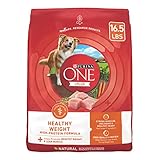
Overview: The Purina ONE Plus Healthy Weight formula addresses canine obesity through a calorie-controlled, high-protein recipe anchored by real turkey. This 16.5-pound bag targets overweight adult dogs requiring weight management without nutritional compromise, delivering complete nutrition with fewer calories than standard adult formulas while maintaining satiety.
What Makes It Stand Out: Four distinct antioxidant sources provide robust immune support uncommon in weight management foods. The formula includes natural glucosamine for joint health—critical for overweight dogs experiencing added joint stress—and added calcium for dental health. Real turkey as the primary ingredient ensures dogs lose fat, not muscle, during weight reduction.
Value for Money: Positioned at $2.00-$2.50 per pound, it costs significantly less than prescription weight-loss diets like Hill’s Metabolic or Royal Canin Satiety while delivering comparable protein levels. The specialized formula justifies the premium over standard Purina ONE through targeted ingredients that address multiple health concerns simultaneously.
Strengths and Weaknesses: Strengths include multi-faceted health support (weight, joints, immunity, teeth), high-quality protein source, and zero fillers. Weaknesses involve lower calorie density requiring portion discipline from owners, potential hunger signs in dogs accustomed to high-fat diets, and bag size unsuitable for very large breeds.
Bottom Line: An excellent non-prescription solution for weight management. It maintains muscle mass while shedding pounds, though owner commitment to portion control is essential for success.
5. Pedigree Dry Dog Food for Adult Dogs, High Protein, Beef and Lamb Flavor, 18 lb. Bag

Overview: Pedigree’s High Protein Beef and Lamb formula offers budget-conscious owners an upgraded nutrition profile from the brand’s standard line. This 18-pound bag provides 100% complete nutrition with 25% more protein than Adult Complete Nutrition, targeting owners seeking affordable quality without boutique brand pricing or specialty store trips.
What Makes It Stand Out: The inclusion of 36 vitamins, minerals, and amino acids exceeds many competitors at this price point. Prebiotic fibers support digestive health—a feature rare in economy-tier foods—and omega-6 fatty acids with zinc address skin and coat quality. The real meat content, while not the primary ingredient, represents a meaningful upgrade over standard Pedigree formulas.
Value for Money: At roughly $1.00-$1.25 per pound, this is among the most affordable high-protein options available. It costs 30-40% less than Purina ONE and half the price of premium brands, making it accessible for large breeds or multi-dog families where budget constraints are paramount.
Strengths and Weaknesses: Strengths include unbeatable affordability, widespread availability, improved protein over standard formulas, and digestive support. Weaknesses likely involve meat meals and by-products (despite “real meat” marketing), grain-heavy formulation unsuitable for sensitive dogs, and lower protein digestibility compared to premium brands.
Bottom Line: A practical choice for cost-sensitive households with healthy, non-sensitive dogs. It delivers adequate nutrition at an exceptional price, though ingredient quality lags behind mid-tier competitors.
6. Pedigree Adult Dry Dog Food, Complete Nutrition, Grilled Steak & Vegetable Flavor, 18 lb. Bag
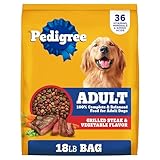
Overview: Pedigree’s Grilled Steak & Vegetable flavor offers complete and balanced nutrition for adult dogs in an affordable 18-pound package. Formulated with 36 vitamins, minerals, and amino acids, this kibble aims to support overall health and vitality without breaking the bank. The brand promises lean muscle support through quality protein while emphasizing digestive health with prebiotic fibers.
What Makes It Stand Out: The grilled steak flavor profile appeals to picky eaters, while the inclusion of Omega-6 fatty acids and zinc targets skin and coat health. The prebiotic fiber blend distinguishes it from other budget options by actively promoting digestive wellness. At 18 pounds, the bag size suits single-dog households seeking manageable quantities.
Value for Money: This is among the most economical complete nutrition options available, typically costing significantly less than premium brands per pound. For budget-conscious owners, it delivers essential nutrients at an accessible price point. However, the ingredient list likely includes corn, wheat, and meat by-products that premium brands avoid, representing a trade-off between cost and ingredient quality.
Strengths and Weaknesses: Strengths include unbeatable affordability, widespread availability, palatable flavor, and complete nutritional certification. The added prebiotics and skin-supporting nutrients exceed typical budget food standards. Weaknesses involve lower-quality protein sources, potential allergenic grains, artificial flavors, and less transparency about ingredient sourcing compared to premium competitors.
Bottom Line: Ideal for cost-conscious owners seeking certified complete nutrition. While not matching premium ingredient standards, it reliably covers basic nutritional needs for healthy adult dogs without straining budgets.
7. Purina One +Plus Dry Dog Food High Protein Healthy Weight, Real Turkey - 40 lb Bag

Overview: Purina ONE’s Healthy Weight formula targets overweight adult dogs needing portion control without sacrificing protein intake. Real turkey leads the ingredient list in this 40-pound bag, delivering high-quality protein to maintain lean muscle mass during weight loss. The formulation balances calorie restriction with essential nutrients for sustainable weight management.
What Makes It Stand Out: This formula combines weight control with four antioxidant sources for immune support and natural glucosamine for joint health—critical for heavier dogs. The dual-texture kibble (crunchy bites and tender morsels) enhances palatability, while added calcium strengthens teeth and gums. The zero-filler promise ensures every ingredient serves a nutritional purpose.
Value for Money: The 40-pound bag offers excellent cost-per-pound value, especially for a specialized diet. Positioned in the mid-range price category, it costs more than budget brands but significantly less than premium weight-management formulas. The concentrated nutrition means smaller serving sizes, effectively stretching the bag further.
Strengths and Weaknesses: Strengths include real turkey as the primary ingredient, comprehensive joint and immune support, large economical bag size, and proven weight management results. The dual-texture appeals to picky eaters. Weaknesses include potentially insufficient calories for highly active dogs, and some dogs may dislike the texture variation. The formula contains grains, which may not suit all dietary preferences.
Bottom Line: An excellent choice for overweight dogs needing effective weight management without compromising muscle mass. The large bag size and targeted nutrition provide outstanding value for multi-dog households or long-term feeding.
8. Purina ONE High Protein Dry Senior Dog Food Plus Vibrant Maturity Adult 7 Plus Formula - 8 lb. Bag

Overview: Designed specifically for senior dogs seven years and older, this Purina ONE formula addresses the unique needs of aging canines. The 8-pound bag features real chicken as the first ingredient and incorporates MCT-rich vegetable oil to support cognitive function and maintain activity levels in older dogs. The easily digestible SmartBlend promotes nutrient absorption for aging digestive systems.
What Makes It Stand Out: The MCT (medium-chain triglycerides) inclusion is scientifically shown to increase activity levels by over 20% in senior dogs, addressing age-related mental decline. Combined with glucosamine for joint support and omega-6 fatty acids for skin health, it provides comprehensive geriatric care. The dual-texture kibble maintains palatability for dogs with diminished senses.
Value for Money: The smaller 8-pound bag commands a premium price per pound compared to standard adult formulas. However, the specialized cognitive and joint support ingredients justify the cost for senior dogs requiring targeted nutrition. It’s an investment in quality of life during the golden years, though budget-conscious owners may find the size limiting.
Strengths and Weaknesses: Strengths include MCT oil for brain health, high-quality protein for muscle maintenance, joint support, and excellent digestibility for sensitive senior stomachs. The formula is specifically research-backed for older dogs. Weaknesses involve the small, expensive bag size and potential waste if your senior dog doesn’t adapt to the texture. Grain inclusion may concern some owners.
Bottom Line: Highly recommended for senior dogs showing signs of slowed activity or cognitive decline. While pricey, the targeted MCT formulation offers measurable benefits that generic senior foods lack, making it worth the premium for aging companions.
9. Purina ONE True Instinct With A Blend Of Real Turkey and Venison Dry Dog Food - 27.5 lb. Bag

Overview: Purina ONE True Instinct delivers high-protein nutrition for active adult dogs through a premium blend of real turkey and venison. This 27.5-pound bag provides 30% protein content to fuel muscle development and maintain cardiovascular health. The formula excludes common fillers and artificial additives, positioning itself as a natural yet accessible premium option.
What Makes It Stand Out: The venison inclusion offers a novel protein source beneficial for dogs with common poultry allergies. With 30% protein content, it rivals specialty performance foods while maintaining Purina’s mainstream accessibility. The zero-filler promise, combined with four antioxidant sources and omega-6 fatty acids, creates a comprehensive nutrition profile without premium-brand pricing.
Value for Money: This formula strikes an impressive balance between premium features and mid-range pricing. The 27.5-pound bag size offers better value than smaller premium bags, while the high protein concentration means efficient feeding. It costs less than super-premium brands like Blue Buffalo or Orijen while delivering comparable protein percentages and ingredient quality.
Strengths and Weaknesses: Strengths include exceptional protein content, novel venison protein, absence of by-products and artificial preservatives, strong antioxidant support, and veterinarian-recommended brand backing. The large bag provides good value. Weaknesses include venison’s potential to trigger sensitivities in some dogs, and the formula may be too protein-dense for sedentary pets. Grain inclusion might deter grain-free proponents.
Bottom Line: An outstanding choice for active dogs or those needing alternative protein sources. The 30% protein content and venison blend deliver premium nutrition at a reasonable price point, making it ideal for performance dogs without the ultra-premium cost.
10. Blue Buffalo Wilderness Rocky Mountain Recipe High-Protein Adult Dry Dog Food Wholesome Red Meat, 4.5 lb Bag

Overview: Blue Buffalo’s Wilderness Rocky Mountain Recipe positions itself as a premium, grain-free option for active adult dogs. This 4.5-pound bag features real beef as the primary ingredient, delivering high-protein nutrition inspired by ancestral canine diets. The formula excludes common allergens like corn, wheat, soy, and poultry by-products, appealing to owners seeking clean ingredient panels.
What Makes It Stand Out: The exclusive LifeSource Bits—cold-formed antioxidant-rich kibble pieces—preserve nutrient integrity better than traditional cooking methods. This grain-free formulation emphasizes red meat proteins for energy and muscle maintenance. The brand’s commitment to zero by-products, grains, or artificial additives resonates with health-conscious pet parents prioritizing ingredient purity.
Value for Money: The 4.5-pound bag size creates a high cost-per-pound, making this one of the most expensive options on a weight basis. While ingredient quality justifies some premium, the small bag offers poor value for multi-dog households or large breeds. It’s best viewed as a trial size or supplement rather than a primary food for budget-minded owners.
Strengths and Weaknesses: Strengths include exceptional ingredient quality, grain-free formulation, innovative LifeSource Bits, real meat-first recipe, and suitability for dogs with grain sensitivities. The high protein content supports active lifestyles. Weaknesses center on the prohibitively small, expensive bag size and potential for protein to be too rich for less active dogs. Limited availability in larger bags restricts value.
Bottom Line: Perfect for owners prioritizing premium, grain-free nutrition and willing to pay accordingly. The small bag limits value, but the ingredient quality and LifeSource Bits technology make it worth considering for single small-to-medium dogs or as a rotational diet addition.
Why Protein Matters for Canine Muscle Development
Protein serves as the fundamental building block for your dog’s entire musculoskeletal system. Every time your dog runs, jumps, or even walks, microscopic muscle fibers break down and require repair. This process, known as muscle protein synthesis, depends entirely on the amino acids derived from dietary protein. Without sufficient high-quality protein, dogs cannot rebuild these fibers stronger than before, leading to muscle wasting, weakness, and decreased mobility over time.
Active dogs and those recovering from injury have even greater protein demands. The stress of physical activity increases the rate of muscle breakdown, creating a higher need for amino acid availability in the bloodstream. A protein-rich diet ensures these building blocks are constantly present, allowing for immediate repair and growth. This becomes particularly crucial for performance dogs, working breeds, and canines engaged in agility or protection sports where explosive power and endurance are essential.
The Science Behind Muscle Protein Synthesis
Muscle protein synthesis occurs when amino acids, particularly leucine, isoleucine, and valine (the branched-chain amino acids), signal muscle cells to begin repair and growth processes. This biological mechanism requires not just adequate protein intake but also proper timing and quality. Dry dog foods designed for muscle development typically contain protein concentrations between 28-40% on a dry matter basis, providing the necessary amino acid pool for continuous muscle maintenance throughout the day.
Recognizing Signs of Protein Deficiency
Dogs lacking sufficient protein may exhibit subtle but important warning signs. These include decreased muscle tone, a protruding spine or hip bones, lethargy during exercise, slow recovery after activity, and a dull, brittle coat. In growing puppies, protein deficiency can lead to stunted development and permanent structural issues. Senior dogs may show accelerated muscle loss, known as sarcopenia, when their protein needs aren’t met.
Understanding Protein Quality vs. Quantity
A common mistake among dog owners is focusing solely on the percentage of protein listed on the bag while ignoring its quality and digestibility. A food containing 35% protein from poor-quality sources may actually provide less usable nutrition than a formula with 28% protein from highly bioavailable ingredients. The key difference lies in the amino acid profile and how efficiently your dog’s digestive system can break down and absorb the protein.
High-quality protein sources contain all ten essential amino acids that dogs cannot synthesize themselves. These must come from diet in the proper ratios for optimal muscle development. The biological value of a protein measures how closely its amino acid pattern matches what dogs require, with eggs typically serving as the gold standard reference point.
Digestibility: The Missing Piece of the Puzzle
Protein digestibility determines what percentage of the protein your dog actually absorbs and utilizes. Highly digestible proteins like fresh meat, meat meals, and certain animal by-products provide more usable amino acids per gram than plant-based proteins or rendered products of questionable origin. Look for foods that specify protein digestibility percentages above 80% for maximum muscle-building benefit.
Amino Acid Profile Explained
Beyond total protein content, the specific amino acid composition matters tremendously for muscle development. Lysine supports tissue repair and enzyme production. Methionine contributes to healthy skin and coat while supporting metabolism. Taurine, though not technically an amino acid, plays crucial roles in cardiac and skeletal muscle function. The best high-protein dog foods balance these components naturally through strategic ingredient combinations.
Key Ingredients to Look for in High-Protein Dog Foods
When evaluating dry formulas for muscle development, the ingredient list tells the real story. Ingredients appear in descending order by weight before cooking, so the first several components represent the primary protein sources. High-quality muscle-building foods typically list multiple animal proteins within the first five ingredients, creating a diverse amino acid profile that supports comprehensive tissue development.
Meat meals, despite their controversial reputation, often provide more concentrated protein than fresh meat because they’ve been rendered to remove moisture. A pound of chicken meal contains significantly more protein than a pound of fresh chicken due to the water weight difference. Understanding this distinction helps you accurately assess the true protein density of a formula.
Whole Meats and Meat Meals
Whole meats like deboned chicken, beef, or fish provide excellent protein quality but contain approximately 70% water. After cooking, their contribution to final protein content decreases substantially. Meat meals, conversely, are pre-cooked concentrates where moisture has already been removed. Quality matters here—named meals like “chicken meal” or “salmon meal” are preferable to generic “meat meal” or “animal meal” which could come from unspecified sources.
Protein-Rich Animal Organs
Organ meats such as liver, heart, and kidney deserve recognition as nutritional powerhouses. These ingredients provide not only complete protein but also essential vitamins, minerals, and cofactors that support muscle metabolism. Liver offers high vitamin A content for protein synthesis, while heart provides natural taurine and CoQ10 for muscle function. Foods incorporating these ingredients often deliver superior muscle-building nutrition.
Novel Protein Sources
For dogs with sensitivities or those needing variety, novel proteins like duck, venison, bison, or rabbit offer complete amino acid profiles without common allergens. These alternatives can be particularly beneficial for dogs who’ve developed intolerances to chicken or beef, allowing them to continue receiving high-quality protein for muscle maintenance without digestive upset.
Protein Sources: Animal-Based vs. Plant-Based
The debate between animal and plant proteins in dog food deserves careful consideration for muscle development. While dogs are omnivores capable of digesting plant matter, their physiology clearly favors animal-based proteins for muscle building. Animal proteins contain complete amino acid profiles in ratios that closely match canine requirements, making them more efficient for tissue synthesis.
Plant proteins like peas, lentils, and chickpeas have become common in modern dog foods, sometimes comprising the majority of protein content. While these ingredients offer some nutritional benefits, they lack certain essential amino acids and are generally less digestible than animal proteins. For optimal muscle development, animal sources should constitute the majority of protein in the diet.
Complete vs. Incomplete Proteins
Complete proteins contain all essential amino acids in adequate proportions. Most animal proteins fall into this category, while most plant proteins are incomplete, missing or low in one or more essential amino acids. While combining different plant proteins can create a more complete profile, this approach is less efficient than using high-quality animal proteins as the foundation.
The Role of Plant Proteins in Canine Diets
Plant proteins aren’t inherently bad—they provide fiber, phytonutrients, and can contribute to overall protein content. However, when plant proteins appear before animal proteins on the ingredient list, or when multiple plant protein concentrates (pea protein, potato protein, etc.) are used, the food may lack the optimal amino acid balance for serious muscle development. The key is appropriate inclusion, not exclusion.
How Much Protein Does Your Dog Really Need?
Protein requirements vary dramatically based on your dog’s life stage, activity level, and individual metabolism. The AAFCO minimum for adult maintenance is 18% crude protein, but this represents survival-level nutrition, not optimal muscle development. Active dogs typically need 25-30% protein, while performance athletes and growing puppies may benefit from 30-40% protein on a dry matter basis.
Breed size influences needs as well. Large and giant breeds require carefully controlled protein levels during growth to prevent developmental issues, while maintaining adequate intake for proper muscle formation. Small breeds often have faster metabolisms and may need higher protein concentrations relative to their body weight.
Assessing Your Dog’s Activity Level
Sedentary companion dogs require less protein than those with active lifestyles. A dog who walks 30 minutes daily has different needs than a search-and-rescue dog working multiple hours. Working breeds, hunting dogs, and canine athletes deplete amino acid stores rapidly and need consistent replenishment through higher dietary protein. Monitor your dog’s muscle tone and energy levels to determine if current protein intake meets their demands.
Age-Related Protein Considerations
Puppies need protein for both muscle development and overall growth, requiring 28-32% protein with careful calcium-phosphorus balance. Adult dogs in their prime need protein for maintenance and repair. Senior dogs often need increased protein—up to 50% more than adult minimums—to combat age-related muscle loss, contrary to outdated recommendations for reduced protein in older dogs.
Reading Dog Food Labels Like a Pro
The guaranteed analysis panel provides crucial information but requires interpretation. Protein percentages represent “as-fed” values, not dry matter basis. To compare foods accurately, especially canned versus dry, convert to dry matter by subtracting moisture percentage and recalculating. A dry food with 30% protein and 10% moisture actually contains 33% protein on a dry matter basis.
Ingredient splitting is a common marketing tactic where similar ingredients are listed separately to push them down the list. For example, “peas, pea flour, pea protein” might actually represent more total pea content than the first-listed meat source. Understanding this practice helps you see through clever labeling and assess true ingredient proportions.
Decoding the Guaranteed Analysis
Beyond crude protein percentage, examine fat and fiber content. Moderate to high fat (15-20%) supports the calorie density needed for muscle development and provides essential fatty acids that aid protein utilization. Fiber should remain moderate (3-6%) to avoid diluting protein concentration or interfering with nutrient absorption.
Ingredient Order and Transparency
Quality manufacturers provide specific, named ingredients rather than vague terms. “Chicken” is better than “poultry,” and “chicken meal” is better than “meat meal.” Look for foods that identify the species source for all animal ingredients. Transparency extends to manufacturing location and quality control processes, which reputable companies proudly disclose.
Common Misconceptions About High-Protein Diets
Myths surrounding high-protein dog foods persist despite scientific evidence to the contrary. Perhaps the most damaging misconception is that high protein causes kidney damage in healthy dogs. This belief stems from research in rats with existing kidney disease and has never been substantiated in healthy canines. Multiple studies confirm that high protein intake does not harm normal canine kidneys and may actually support kidney health through adequate amino acid availability.
Another common fear is that excess protein leads to obesity. In reality, protein is highly satiating and supports lean muscle mass, which increases metabolic rate. Weight gain occurs from excess calories, regardless of macronutrient source. High-protein diets often help maintain healthy weight by promoting fullness and preserving metabolism-boosting muscle tissue.
The Kidney Disease Myth Explained
The confusion arises from the fact that dogs with pre-existing renal disease may require protein moderation to reduce kidney workload. However, restricting protein in healthy dogs provides no benefit and may actually be detrimental by limiting the amino acids available for tissue repair and immune function. Always consult your veterinarian about protein levels if your dog has diagnosed kidney issues.
Protein and Behavioral Concerns
Some owners worry high protein increases aggression or hyperactivity. No scientific evidence supports this claim. Behavior stems from training, genetics, exercise, and overall stimulation, not protein intake. In fact, protein provides the amino acid tryptophan, which serves as a precursor to serotonin, potentially supporting calm behavior when balanced with other nutrients.
Special Considerations for Different Life Stages
Muscle development needs evolve throughout your dog’s life, requiring adjustments in protein strategy. Puppies experience rapid muscle growth alongside bone development, necessitating controlled but adequate protein delivery. Adult dogs need maintenance-level protein with adjustments for activity. Seniors face sarcopenia challenges that demand increased protein quality and quantity.
Large breed puppies require particularly careful protein management. While they need sufficient protein for muscle development, excessive calories and mineral imbalances can cause developmental orthopedic disease. The protein source quality becomes paramount, with moderate levels of highly digestible animal protein supporting steady muscle growth without excessive calorie intake.
Puppy Muscle Development Foundations
Growth formulas should contain 28-32% protein from highly digestible animal sources. Calcium and phosphorus must be carefully controlled in large breed formulas to prevent rapid bone growth that outpaces muscle development. Look for puppy foods specifically labeled for your dog’s expected adult size, as these account for the different growth rates and protein needs.
Senior Dog Muscle Preservation
Contrary to traditional advice, senior dogs benefit from increased protein to combat natural muscle wasting. Aim for 28-35% protein from quality sources. Senior-specific formulas should also include joint-supporting ingredients like glucosamine and omega-3 fatty acids to maintain mobility, allowing continued exercise that further supports muscle retention.
Transitioning to a High-Protein Diet Safely
Switching your dog to a higher-protein formula requires a gradual transition to prevent digestive upset. A sudden change can overwhelm the gut microbiome and pancreatic enzymes, leading to diarrhea, vomiting, or decreased appetite. The transition period also allows you to monitor your dog’s individual response to the new protein level and sources.
Begin by mixing 25% of the new high-protein food with 75% of the current food for three days. If stools remain firm and your dog shows good appetite, increase to a 50/50 blend for another three days. Continue to 75% new food, then 100% over a 10-14 day period. Slow down the transition if you notice any digestive issues or reluctance to eat.
Monitoring Your Dog’s Response
During transition, watch for signs of optimal adaptation: improved muscle definition, increased energy during activity, healthier coat quality, and well-formed stools. Some dogs may drink more water initially as their bodies adjust to processing higher protein levels—this is normal. Monitor body condition score weekly to ensure the new food supports lean muscle without unwanted fat gain.
Adjusting Portions for Protein Density
High-protein foods are often more calorie-dense than standard formulas. You may need to reduce portion sizes to maintain ideal body condition. Calculate calories per cup and adjust feeding amounts accordingly. Active dogs may maintain the same volume due to higher energy expenditure, while less active dogs might need 10-15% less food to prevent weight gain.
Potential Side Effects and How to Avoid Them
While high-protein diets are safe for most dogs, some individuals may experience temporary adjustments. The most common issue is loose stools during the transition period, typically resolving as gut bacteria adapt to processing increased amino acids. Persistent digestive issues may indicate the protein source doesn’t agree with your dog or that fiber levels are inadequate.
Dogs with certain health conditions require veterinary supervision before increasing protein. Those with liver disease, some forms of kidney disease, or specific metabolic disorders may need modified protein levels or types. Always consult your veterinarian before making significant dietary changes, especially for dogs with diagnosed health issues.
Managing Digestive Upset
If your dog experiences ongoing loose stools beyond the transition period, consider adding a probiotic supplement or switching to a formula with different protein sources. Some dogs react to specific meats or plant proteins. Ensure adequate fiber (3-6%) to support healthy gut function. Pumpkin or other gentle fiber sources can help firm stools during adjustment.
Balancing Protein with Other Nutrients
Excessive focus on protein can lead to nutritional imbalances. Ensure the food provides adequate fat for energy and vitamin absorption, plus appropriate levels of calcium, phosphorus, and other minerals for muscle function. The best high-protein formulas are complete and balanced, where protein enhancement doesn’t compromise other nutritional aspects. Look for AAFCO nutritional adequacy statements to confirm complete formulation.
Frequently Asked Questions
How can I tell if my dog needs high-protein food for muscle development?
Assess your dog’s activity level, age, and current body condition. Active dogs, working breeds, canine athletes, growing puppies, and senior dogs losing muscle mass benefit most from higher protein. Look for visible signs like decreased muscle tone, slow recovery after exercise, or difficulty maintaining lean mass despite adequate calories.
What protein percentage should I look for on the label?
For muscle development, aim for 28-40% crude protein on a dry matter basis. Active adult dogs do well with 28-32%, while performance dogs may benefit from 32-40%. Always consider protein quality alongside quantity—high percentages from plant sources alone may not support optimal muscle growth.
Are meat meals better than whole meats for muscle development?
Both have value. Meat meals are concentrated protein sources with moisture removed, providing more protein per pound. Whole meats offer excellent quality but contain water weight. The best formulas use both—whole meats for quality and palatability, plus meat meals to boost total protein concentration.
Can too much protein be harmful to my dog?
For healthy dogs, no evidence shows high protein causes harm. The myth about kidney damage applies only to dogs with pre-existing renal disease. However, excessive protein without adequate exercise can lead to weight gain if calories exceed needs. Balance protein intake with your dog’s activity level.
How do I know if a protein source is high quality?
Look for named animal sources (chicken, beef, salmon) rather than generic terms. Check for high digestibility percentages if provided. Quality foods often specify the biological value of their protein sources. Animal proteins should appear first on the ingredient list, before plant proteins.
Should I choose grain-free high-protein foods for muscle development?
Grain-free isn’t necessarily better for muscle development. The key is protein source quality, not grain presence. Some grain-inclusive formulas provide excellent muscle-building nutrition. Focus on animal protein content and overall nutritional balance rather than marketing claims about grains.
How long does it take to see muscle development results?
With proper nutrition and exercise, noticeable muscle improvement typically appears within 6-12 weeks. Initial changes include better muscle definition and increased exercise stamina. Significant muscle mass gains depend on your dog’s genetics, age, and training regimen alongside nutrition.
Do senior dogs really need more protein?
Yes. Senior dogs require increased high-quality protein to combat age-related muscle loss (sarcopenia). Research supports feeding seniors 28-35% protein from digestible animal sources to preserve lean muscle mass and maintain mobility and metabolic health.
What’s the difference between crude protein and digestible protein?
Crude protein is the total protein measured in the food, while digestible protein represents what your dog actually absorbs. Two foods may list 30% crude protein, but if one has 85% digestibility and the other 70%, the first provides significantly more usable amino acids for muscle building.
Can I supplement my dog’s diet with extra protein for faster muscle gains?
Whole food balanced nutrition is superior to supplementation. Adding protein powders or cooked meat can unbalance the carefully formulated nutrient ratios in commercial foods. Instead, choose a properly formulated high-protein food that provides complete nutrition. If supplementation seems necessary, consult a veterinary nutritionist.