If your power-chewing pup has destroyed every toy in sight, you already know that finding suitable chews feels like searching for the holy grail of pet supplies. Aggressive chewers don’t just nibble—they demolish, shred, and conquer with jaw strength that would make a hydraulic press jealous. The right dog bone isn’t just a distraction; it’s a crucial tool for dental health, mental stimulation, and saving your furniture from becoming an unintended victim.
But here’s the challenge: what works for a gentle Golden Retriever might last mere minutes with a determined Pitbull or Rottweiler. The market is flooded with options claiming “indestructible” status, yet many fall short when faced with a truly tenacious chewer. Understanding the nuanced differences between materials, sizes, and safety features will transform your shopping experience from frustrating guesswork into confident decision-making. Let’s explore everything you need to know about selecting bones that can withstand serious chewing power while keeping your dog safe and satisfied.
Top 10 Dog Bones for Aggressive Chewers
Detailed Product Reviews
1. Benebone Wishbone Durable Dog Chew Toy for Aggressive Chewers, Real Bacon, Made in USA, Medium

Overview: The Benebone Wishbone is a premium nylon chew toy engineered specifically for aggressive chewers who demolish standard toys. This medium-sized wishbone features an ergonomic design that allows dogs to grip it securely while chewing, and it’s infused with 100% real bacon throughout—not just coated on the surface. Manufactured entirely in the USA with strict quality controls, it promises weeks of durable chewing entertainment for dogs under 60 pounds.
What Makes It Stand Out: Unlike flavor-coated toys that lose appeal quickly, Benebone infuses real bacon flavor deep into the nylon, ensuring lasting taste that keeps dogs engaged. The patented wishbone shape is thoughtfully curved for paw-friendly gripping, solving a fundamental problem: dogs lack thumbs. This intelligent design reduces frustration and increases chewing time. The brand’s direct customer service guarantee is exceptional—promising real human support dedicated to owner and pup satisfaction, which is rare in the pet industry.
Value for Money: Priced around $12-15 for a single toy, this isn’t cheap, but it significantly outlasts most competitors. When you factor in that aggressive chewers can destroy standard $8-10 toys in hours, the cost-per-day makes this economical. Comparable durable nylon chews from Nylabone or Kong typically cost $10-18 without the real meat infusion, giving Benebone a slight edge for flavor-obsessed dogs.
Strengths and Weaknesses: Strengths:
- Genuine bacon scent and flavor maintains interest for weeks
- Exceptionally durable against power chewers
- Smart ergonomic design for easy gripping
- USA-made with quality materials
- Direct customer satisfaction guarantee
Weaknesses:
- Hard nylon can cause tooth wear with excessive use
- Not edible—pieces must be monitored and discarded when worn
- Strong bacon smell may be unpleasant for humans
- Too hard for some senior dogs or those with dental issues
Bottom Line: For owners of determined chewers, the Benebone Wishbone is a worthwhile investment that delivers on durability and genuine flavor. While the hardness requires supervision, its longevity and thoughtful design make it a top-tier choice for keeping powerful jaws busy and satisfied.
2. Benebone Medium 4-Pack Dog Toys for Aggressive Chewers – Durable Dog Bones, Made in USA – Dog Toys for Medium Dogs Under 60 lbs

Overview: This value bundle delivers four Benebone chew toys in assorted shapes and flavors, perfect for medium-sized power chewers. Each piece features the same durable nylon construction as the iconic Wishbone, but this set includes variety—typically featuring bacon, fish, and maple wood flavors across different ergonomic designs. The rotation system helps combat boredom while providing consistent chewing satisfaction for dogs under 60 pounds.
What Makes It Stand Out: The four-pack’s genius lies in rotation psychology. Dogs lose interest in even the best toys over time, but swapping between four different shapes and scents rekindles excitement. You get multiple flavor profiles—real bacon, fish, and wood—appealing to scent-driven canines. Each shape (wishbone, dental, and fetch-friendly designs) serves different chewing styles and play preferences, making this a comprehensive boredom-busting system rather than just multiple toys.
Value for Money: At approximately $30-35 for four toys, you’re paying $7.50-8.75 per piece—significantly less than individual Benebones. Considering each lasts weeks, this bundle could cover 2-3 months of heavy chewing. Competitors’ variety packs often use artificial flavors or inferior materials at similar pricing. For multi-dog households or owners wanting to stock up, the per-unit savings and built-in rotation system offer exceptional long-term value.
Strengths and Weaknesses: Strengths:
- Built-in rotation prevents toy fatigue
- Multiple real flavors maintain novelty
- Same USA-made durability as single Benebones
- Cost-effective per-unit pricing
- Variety of shapes for different chewing positions
Weaknesses:
- Some dogs may strongly prefer only one flavor
- Hard nylon still poses dental wear risks
- Takes up more storage space
- Initial investment higher than single toy purchase
Bottom Line: This 4-pack is the smartest way to buy Benebones, offering variety, value, and a built-in rotation strategy that keeps aggressive chewers consistently engaged. The upfront cost pays dividends in sustained interest and extended chew time.
3. American Kennel Club Training Marbled Bone Chew Dog Toy – Moderate Chewers, Durable & Long-Lasting, Supports Dental Health
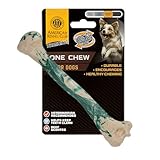
Overview: Endorsed by the American Kennel Club, this wood-infused nylon chew targets moderate rather than aggressive chewers. Available in wishbone and ring shapes, it features a subtle chicken scent and marbled design that helps clean teeth during chewing. The AKC’s veterinary recommendation emphasizes dental health benefits, making this a functional toy for medium-strength chewers needing plaque control rather than extreme durability.
What Makes It Stand Out: The AKC’s direct involvement provides trust and quality assurance that generic brands lack. The wood-infusion creates a unique texture that effectively scrapes plaque while being slightly more forgiving than pure nylon. Its moderate durability level is actually ideal for many dogs—strong enough to last but not so hard it risks tooth fracture. The subtle chicken scent engages without overwhelming sensitive noses, and the multiple shape options accommodate different grip preferences.
Value for Money: Typically priced at $8-10, this sits in the mid-range for nylon chews. It’s cheaper than Benebone but designed for a different market. For moderate chewers, it lasts sufficiently long to justify the cost. However, aggressive chewers will destroy it quickly, nullifying value. Compared to dental-specific chews like Greenies (consumable and pricier long-term), this reusable option offers better ongoing value for dental maintenance.
Strengths and Weaknesses: Strengths:
- AKC brand credibility and quality standards
- Effective dental cleaning texture
- Appropriate hardness for moderate chewers
- Subtle scent won’t stink up your home
- Multiple engaging shapes available
Weaknesses:
- NOT suitable for aggressive/power chewers
- Wears down faster than ultra-durable alternatives
- Wood infusion may splinter slightly when worn
- Less flavor intensity than bacon/fish options
Bottom Line: This is an excellent choice for moderate chewers where dental health is the priority. Aggressive chewers need not apply, but for the right dog, the AKC’s trusted design balances durability, safety, and effective teeth cleaning at a fair price.
4. Cadet Stuffed Shin Bone, Long-Lasting Dog Chew Bones for Aggressive Chewers, High Protein Filled Bone Dental Chew for Dogs, Peanut Butter Flavor Filling, 5-6" for Large Dogs

Overview: Cadet’s natural shin bone offers a different approach—an actual beef bone stuffed with peanut butter-flavored filling, designed for large, aggressive chewers. The 5-6" size provides substantial chewing material, while the protein-rich core adds nutritional value. As dogs work through the filling and bone, the texture naturally cleans teeth. The refillable design extends lifespan by allowing owners to add spreads to the hollowed center.
What Makes It Stand Out: The combination of real bone structure and edible filling bridges the gap between toy and treat. Unlike synthetic nylon, this satisfies natural chewing instincts with authentic texture and taste. The refillable feature is genuinely innovative—once the peanut butter center is gone, you can reload with pumpkin, yogurt, or more peanut butter, effectively creating a reusable puzzle toy. The high-protein filling provides actual nutritional benefits beyond mere occupation.
Value for Money: At $10-14 per bone, it’s competitively priced against premium nylon chews. The refillable aspect creates ongoing value, while the natural bone material often outlasts synthetic alternatives for many dogs. However, consumable elements mean eventual replacement is necessary. Compared to single-use filled bones, the refillable design offers better long-term economics, though you’ll need to factor in the cost of refill spreads.
Strengths and Weaknesses: Strengths:
- Real bone satisfies natural chewing instincts
- Refillable design extends usable life
- High-protein filling adds nutritional value
- Excellent for aggressive chewers
- Natural dental cleaning action
Weaknesses:
- Bone can splinter when heavily worn (requires supervision)
- Peanut butter filling may cause digestive upset in sensitive dogs
- Strong odor that some owners find unpleasant
- Not suitable for households with rawhide/bone restrictions
- Heavier than nylon alternatives
Bottom Line: For owners comfortable with natural bones, Cadet’s refillable shin bone is a brilliant hybrid of treat and durable chew. The refillable feature and authentic texture make it a standout for keeping large, aggressive chewers happily occupied while providing dental benefits.
5. Nylabone Healthy Edibles WILD Natural Dog Chews, Long Lasting Bones for Dogs, Bison Flavor Dog Treats, Medium (2 Count)

Overview: Nylabone’s Healthy Edibles WILD are fully digestible, edible chews rather than durable toys. Made with natural ingredients and real bison flavor, these medium-sized treats are designed to be consumed while providing dental benefits. The USA-made formula focuses on wholesome, limited ingredients that safely pass through your dog’s system, making them ideal for moderate chewers who enjoy edible rewards rather than nylon toys.
What Makes It Stand Out: These are treats your dog can actually eat without safety concerns. Unlike nylon chews that require monitoring for wear, these are fully digestible and designed for consumption. The bison flavor offers a novel protein taste many dogs haven’t experienced, creating strong engagement. Nylabone’s reputation for quality control ensures consistent ingredient sourcing, while the edible format satisfies dogs who lose interest in permanent toys. They occupy dogs effectively while cleaning teeth naturally through chewing action.
Value for Money: A 2-count pack runs $6-8, making each treat $3-4. While cheaper than permanent toys, these are consumables—lasting 30 minutes to a few hours depending on chew intensity. For daily use, costs add up quickly. However, as occasional high-value rewards or for dogs who won’t touch nylon, they deliver good value. Compared to rawhide (digestibility concerns) or bully sticks (similar pricing but messier), these offer safer, cleaner edible entertainment.
Strengths and Weaknesses: Strengths:
- Fully digestible and safe to consume
- Novel bison flavor engages picky eaters
- Natural ingredients with USA manufacturing
- No mess or staining
- Moderate chew time occupies dogs effectively
Weaknesses:
- NOT for aggressive chewers (will be consumed in minutes)
- Contains calories that add up with regular use
- Doesn’t last nearly as long as nylon alternatives
- Some dogs may have protein sensitivities
- More expensive long-term than permanent toys
Bottom Line: These edible chews excel as occasional treats or for moderate chewers who prefer consumable rewards. They shouldn’t be confused with durable toys, but for the right dog, the digestible format and novel bison flavor make them a safe, engaging alternative to rawhide.
6. Cadet Stuffed Shin Bone, Long-Lasting Dog Chew Bones for Aggressive Chewers, High Protein Filled Bone Dental Chew for Dogs, Bacon & Cheese Flavor Filling, 5-6" for Large Dogs

Overview: The Cadet Stuffed Shin Bone delivers a dual-flavor experience for large, aggressive chewers with its innovative bacon and cheese filled ends. This natural beef shin bone promises extended chewing sessions while supporting dental health through mechanical tartar removal.
What Makes It Stand Out: The double-ended flavor design offers variety in a single chew, while the refillable center cavity extends the product’s lifespan far beyond standard filled bones. Rigorous USA inspection ensures quality control, and the natural bone material provides authentic chewing satisfaction that nylon alternatives can’t replicate.
Value for Money: While premium-priced compared to basic rawhide, this bone outlasts most competitors and eliminates the need for frequent replacements. The refillable feature creates ongoing value—simply add peanut butter or soft treats to rejuvenate interest. For owners of power chewers who destroy standard toys weekly, this represents significant long-term savings.
Strengths and Weaknesses: Strengths include exceptional durability for aggressive chewers, dual-flavor engagement, dental health benefits, and the unique refillable design. Weaknesses involve potential for grease stains on flooring, high calorie content from fillings that may concern weight-conscious owners, and the 5-6" size may prove overwhelming for dogs at the lower end of “large” breeds. Supervision remains essential as with any bone product.
Bottom Line: Perfect for dedicated chewers over 50 pounds, this bone justifies its cost through longevity and engagement. The refillable feature and dual flavors maintain interest for weeks, making it a smart investment for owners seeking to redirect destructive chewing while supporting dental health.
7. Grillerz Pork Femur Bone, 1 Count, Rawhide Free, All Natural Treat for All Breeds, Gluten Free, Long Lasting, Easy to Digest, For Adult Life Stages, Dog Chew for Healthy Teeth
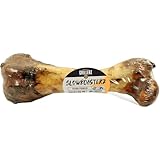
Overview: Grillerz Pork Femur Bone offers a straightforward, natural chewing solution for adult dogs of all breeds. This single-ingredient treat prioritizes simplicity with its USA-made, preservative-free composition, focusing on dental health maintenance through mechanical chewing action.
What Makes It Stand Out: The rawhide-free, gluten-free formulation addresses common digestive sensitivities while providing a natural alternative to processed chews. Its single-count packaging allows owners to test suitability before committing to bulk purchases, and the all-natural approach appeals to health-conscious pet parents seeking minimal ingredient treats.
Value for Money: Positioned as an affordable entry-level natural bone, it costs significantly less than filled alternatives or synthetic durable toys. However, aggressive chewers may consume it quickly, reducing its cost-effectiveness compared to longer-lasting options. It excels as an occasional treat rather than a daily chew solution.
Strengths and Weaknesses: Strengths include simple, natural ingredients, USA manufacturing, no artificial preservatives, and easy digestibility compared to rawhide. Weaknesses involve inconsistent sizing in single-pack offerings, potential splintering risk requiring supervision, and limited durability for truly aggressive chewers. The lack of flavor enhancement may reduce appeal for picky dogs.
Bottom Line: Ideal for moderate chewers or as a supervised occasional treat, this bone delivers natural chewing satisfaction at an accessible price point. While not robust enough for power chewers, it serves well for dental maintenance and provides a safe rawhide alternative for dogs with sensitivities.
8. SPOT Bam-Bones Plus T Bone – Bamboo Fiber & Nylon Dog Chew Toy for Moderate to Aggressive Chewers, Durable Long Lasting & Non-Splintering, Beef Flavor Toy for Adult Dogs & Puppies Under 60 lbs, 6 in

Overview: SPOT Bam-Bones Plus T Bone combines bamboo fiber and nylon to create a synthetic chew toy designed for moderate to aggressive chewers under 60 pounds. The T-bone shape with ergonomic grip features aims to provide safe, long-lasting entertainment while promoting dental health.
What Makes It Stand Out: The bamboo fiber infusion offers an eco-friendlier alternative to pure nylon chews, while the clever T-bone design with paw pads and ridges improves grip and engagement. The beef flavoring and raised nubs target both mental stimulation and passive dental care, addressing multiple needs simultaneously.
Value for Money: Mid-range pricing positions it competitively against premium nylon toys. Its durability for moderate chewers provides good ROI, though truly aggressive chewers may eventually wear it down. The non-splintering design prevents costly emergency vet visits, adding hidden value through risk mitigation.
Strengths and Weaknesses: Strengths include the safe, non-splintering construction, ergonomic grip design, stress-reduction benefits, and suitability for both puppies and adult dogs. Weaknesses involve the 60-pound weight limit excluding larger aggressive breeds, potential for nylon pieces to detach with extreme chewing, and artificial flavoring that may fade over time. The bamboo component, while innovative, doesn’t significantly enhance durability over standard nylon.
Bottom Line: An excellent choice for medium-sized power chewers and teething puppies, this toy balances safety, engagement, and dental benefits. While not indestructible, it outperforms many competitors in its class and provides reliable value for dogs under the weight limit.
9. Apasiri Tough Dog Toys for Aggressive Chewers Beef Flavor: 8" Dog Chew Bone for Large Breed, Nylon & Rubber Chew Toy for Medium Large Dogs

Overview: Apasiri’s Tough Dog Chew Bone targets the 20-80 pound aggressive chewer market with a dual-material design combining a nylon core and rubber sleeve. Engineered for extreme durability, this 8-inch bone aims to outlast standard toys while redirecting destructive chewing behaviors.
What Makes It Stand Out: The reinforced nylon-rubber hybrid construction specifically addresses the crushing power of breeds like German Shepherds and Labradors. The strategic bulbous ends prevent slippage during chewing sessions, while the rubber grooves serve dual purposes: dental cleaning and peanut butter filling for extended engagement.
Value for Money: Premium-priced but justified for owners repeatedly replacing destroyed toys. The multi-functional design—chew toy, dental tool, and treat dispenser—consolidates three purchases into one. For power chewer owners, the cost-per-use rapidly beats buying cheaper, frequently destroyed alternatives.
Strengths and Weaknesses: Strengths include exceptional durability for large breeds, innovative non-slip grip design, passive dental cleaning functionality, and versatility as a treat dispenser. Weaknesses involve the higher upfront cost, potential heaviness for smaller dogs within the range, and rubber nubs that may detach with extreme chewing. The beef flavoring, while initially strong, can diminish over time.
Bottom Line: A strategic investment for owners of true power chewers, this bone delivers on its durability promises while providing mental stimulation and dental benefits. Though not inexpensive, it saves money long-term by surviving where others fail, making it essential for breeds with destructive chewing tendencies.
10. Ultra Chewy Peanut Butter Double Treat Bones: Long-Lasting Dog Treats Made in USA for Large and Small Breeds, Highly Digestible, Ideal for Aggressive Chewers (12 Count)

Overview: Ultra Chewy Peanut Butter Double Treat Bones offer a pack of 12 highly digestible chews designed for aggressive chewers of all sizes. The 2-in-1 design features a durable outer layer surrounding a flavorful center, providing extended chewing satisfaction without rawhide’s digestive risks.
What Makes It Stand Out: The bulk 12-count packaging provides convenience for multi-dog households or extended use, while the highly digestible formula addresses safety concerns associated with traditional rawhide. The peanut butter flavor appeals to most dogs, and the rawhide-free composition prevents intestinal blockages.
Value for Money: Excellent bulk value compared to single-purchase alternatives. The per-unit cost drops significantly, making it economical for daily chewing needs. While individual bones may not last as long as nylon toys, the pack quantity ensures continuous supply without frequent reordering, saving both money and time.
Strengths and Weaknesses: Strengths include high digestibility, USA manufacturing, suitability for all breed sizes, dental health benefits, and convenient portability. Weaknesses involve faster consumption by extreme aggressive chewers compared to synthetic options, potential calorie content concerns for sedentary dogs, and packaging that lacks individual wrapping for freshness retention. Some power chewers may finish a bone in under an hour.
Bottom Line: Perfect for households seeking safe, digestible daily chews without rawhide risks. The bulk quantity and reasonable price point make it practical for regular use, though owners of the most aggressive chewers should supplement with more durable toys. A reliable, health-conscious treat solution.
Understanding What Makes a Chewer “Aggressive”
Breed Tendencies and Jaw Strength
Certain breeds naturally possess stronger jaws and more persistent chewing instincts. Terriers, working dogs, and bully breeds often exhibit what veterinarians call “destructive chewing behavior” not out of boredom, but due to genetic predispositions. Their mandibles can exert pressure upwards of 300 PSI, requiring bones engineered for structural integrity rather than simple entertainment.
Behavioral vs. Destructive Chewing
It’s essential to distinguish between a dog who chews vigorously and one who chews destructively. Aggressive chewers typically focus their intensity on appropriate items, while destructive chewers target furniture, shoes, and walls. The former needs durability; the latter needs behavioral intervention alongside proper chews. Understanding your dog’s motivation helps you select bones that satisfy their specific drive.
Age and Chewing Intensity
Puppies teethe with sharp but less powerful jaws, while adult dogs in their prime represent the real challenge. Senior aggressive chewers may have weaker teeth but maintain strong instincts, requiring softer yet still durable options. Matching bone hardness to life stage prevents dental damage while respecting their chewing drive.
Safety First: Non-Negotiable Features
Choking Hazard Prevention
The most critical safety feature is size appropriateness. A bone should be significantly larger than your dog’s mouth, making it impossible to swallow whole. Look for designs with flared ends or irregular shapes that prevent lodging in the throat. Always supervise initial sessions to observe how your dog manipulates the bone.
Material Integrity and Splintering
High-quality bones for aggressive chewers must resist splintering into sharp shards. Materials should wear down gradually in tiny, digestible particles rather than breaking into dangerous pieces. Press your fingernail into the material—if it doesn’t give slightly, it might be too hard for your dog’s teeth. If it crumbles easily, it’s not durable enough.
Digestibility Factors
Even the toughest chewers ingest some material. Ensure the bone’s composition is digestible or passes safely through the gastrointestinal tract. Non-digestible materials should be large enough to prevent swallowing and made from food-grade substances that won’t cause blockages if small pieces are consumed.
Material Types: Pros and Cons
Natural Animal Bones
Weight-bearing bones from large animals like beef femurs offer extreme durability but come with risks. They can fracture teeth and splinter if cooked. Raw bones are softer but carry bacterial concerns. Always source from reputable suppliers who follow strict processing standards and never offer cooked poultry bones.
Synthetic Nylon and Polymer Options
Engineered nylon bones provide consistent durability and can be flavored throughout. They’re non-porous, dishwasher-safe, and designed to fray into small bristles rather than shards. However, some dogs find them less appealing than natural options, and extremely hard versions may cause tooth wear over time.
Rubber and Silicone Variants
Heavy-duty rubber offers flexibility with durability, making it gentler on teeth while still challenging. Look for solid, non-hollow designs that can’t be compressed and swallowed. These work best for moderate aggressive chewers but may not satisfy the most powerful jaws.
Antler and Horn Alternatives
Deer and elk antlers are naturally shed, making them eco-friendly and incredibly dense. They last months but pose significant tooth fracture risks. Split antlers expose the marrow, making them more appealing but less durable. Always choose appropriately sized antlers and monitor for sharp edges.
Size and Shape Strategic Selection
The Two-Jaw Rule
A bone should be wider than your dog’s mouth when open at full extension. This prevents them from positioning it between their molars for maximum crushing power. Measure your dog’s jaw span and add 2-3 inches for optimal sizing. This simple rule eliminates most choking risks.
Shape Complexity for Engagement
Irregular shapes with knobs, ridges, and varying diameters force dogs to adjust their grip constantly. This not only makes chewing more mentally stimulating but also distributes wear across different tooth surfaces. Avoid perfectly round bones that can be easily positioned for destructive leverage.
Weight Considerations
Heavier bones stay put better during chewing sessions, preventing your dog from carrying them to inappropriate locations. However, excessively heavy bones can damage floors and be difficult for dogs to manipulate. Aim for a weight your dog can move but not easily toss around.
Durability Factors That Actually Matter
Density Ratings and Chew Time
Manufacturers often use vague terms like “tough” or “extreme.” Instead, look for density ratings or estimated chew times for aggressive chewers. A quality bone should last multiple weeks of daily 30-minute sessions before requiring replacement. Anything less isn’t economically or functionally suitable.
Wear Pattern Analysis
Quality bones develop smooth, rounded edges as they wear. Dangerous bones develop deep grooves, sharp points, or begin cracking. Inspect the bone after each session. If you notice pieces larger than a grain of rice missing, it’s time to retire that bone regardless of its remaining size.
Temperature Resistance
Aggressive chewers generate significant friction heat. Materials that soften when warm become easier to tear apart. Test this by rubbing the bone vigorously for 30 seconds—if it becomes noticeably softer or sticky, it won’t hold up to serious chewing sessions.
Flavor and Scent Enhancement Strategies
Infusion vs. Coating
Coated bones lose flavor quickly as the surface layer wears off. Infused bones distribute taste throughout the material, maintaining appeal even as the bone wears down. Look for bones where flavor is part of the manufacturing process, not an afterthought spray-on application.
Natural vs. Artificial Additives
Natural flavorings like real bacon, chicken, or peanut butter are more appealing but can attract pests if stored improperly. Artificial flavors last longer but may cause sensitivities in some dogs. Consider your dog’s dietary restrictions and your storage capabilities when choosing.
Scent Longevity Techniques
To revive interest in a bone that’s lost its aroma, briefly soak it in low-sodium broth and freeze it. This works best for nylon and rubber bones. Natural bones can be refreshed by briefly baking them at low temperatures to release natural oils—never exceed 200°F to prevent brittleness.
Age-Appropriate Selection Guidelines
Puppy Power Chewers (2-6 months)
Teething puppies need softer materials that soothe gums while building good chewing habits. Avoid anything harder than their baby teeth can handle. Look for pliable rubber or specially formulated puppy bones with give. Supervision is critical as they learn appropriate chewing intensity.
Adult Aggressive Chewers (1-7 years)
This is the prime demographic for maximum durability. Adult teeth are fully developed and strongest during this period. They can handle the hardest materials but also benefit from variety. Rotate between different textures and densities to provide comprehensive dental benefits and prevent boredom.
Senior Dogs with Strong Instincts (8+ years)
Aging dogs often maintain chewing drive while developing dental sensitivities, weakened enamel, or missing teeth. Softer yet durable options like senior-specific nylon or thick rubber prevent pain while satisfying instincts. Regular dental check-ups become even more important to ensure bones aren’t causing hidden damage.
Health Benefits Beyond Entertainment
Dental Plaque and Tartar Control
Proper chewing creates mechanical abrasion that scrapes away plaque before it hardens into tartar. The best bones feature textured surfaces that reach different tooth angles. Studies show 30 minutes of daily chewing can reduce plaque by up to 70% in aggressive chewers who might resist tooth brushing.
Mental Stimulation and Anxiety Reduction
Chewing releases endorphins and provides a productive outlet for stress. For anxious aggressive chewers, a durable bone offers a sense of accomplishment and control. The concentration required to work on a challenging bone can be as tiring as physical exercise for high-energy breeds.
Jaw Muscle Development and Maintenance
Strong chewing maintains healthy jaw muscles and joint function. This is particularly important for breeds prone to TMJ issues. The resistance provided by quality bones acts like weight training for the masticatory muscles, promoting balanced development and preventing atrophy in older dogs.
Supervision and Usage Protocols
The First Five Minutes Rule
Always observe your dog’s initial interaction with a new bone. Watch their technique—do they try to swallow it whole? Are they able to make progress or just frustrated? This observation period reveals whether the size, shape, and hardness are appropriate before you leave them unsupervised.
Time Limits and Session Management
Even with safe bones, limit sessions to 30-45 minutes daily. Extended chewing can cause jaw fatigue, excessive tooth wear, and sore gums. It also maintains the bone’s novelty and special status. Set a timer and remove the bone when time’s up, storing it out of reach.
Multi-Dog Household Strategies
In homes with multiple dogs, separate them during bone time. Resource guarding instincts can turn a peaceful chew session into a dangerous confrontation. Provide identical bones to prevent jealousy, but still supervise closely as dogs may prefer what another has, regardless of similarity.
Budget and Value Considerations
Cost Per Chew Hour Calculation
Calculate value by dividing the bone’s price by estimated total chew hours. A $20 bone lasting 50 hours costs $0.40 per hour—far cheaper than replacing furniture. Cheap bones that last only an hour are actually the most expensive option long-term.
Subscription vs. One-Time Purchase
Some suppliers offer subscription boxes with rotating bone types. This can provide variety and cost savings but may include items unsuitable for your specific chewer. One-time purchases let you be selective but require more research. Consider a hybrid approach: subscribe to a brand with customization options.
Warranty and Replacement Policies
Reputable manufacturers stand behind their durability claims with satisfaction guarantees. Look for companies offering replacements if a bone doesn’t last a specified time. This demonstrates confidence in their product and protects your investment. Read the fine print—some warranties require registration and proof of purchase.
Storage and Maintenance Best Practices
Cleaning and Sanitization Methods
Nylon and rubber bones can be cleaned in the dishwasher’s top rack. Natural bones require different care—scrape off residue and briefly bake at low heat to kill bacteria. Never use harsh chemicals that could be ingested. Establish a weekly cleaning routine to prevent bacterial buildup.
Proper Storage to Maintain Integrity
Store bones in a cool, dry place away from direct sunlight. Heat can soften synthetic materials, while moisture promotes bacterial growth on natural bones. Use a dedicated container that allows air circulation. Avoid sealing damp bones in plastic bags, which creates ideal conditions for mold.
Seasonal Considerations
Extreme temperatures affect bone materials. Don’t leave bones in hot cars where nylon can soften and degrade. In winter, bring cold-stored bones to room temperature before giving them to your dog—frozen bones become harder and more prone to tooth damage.
When to Retire a Bone
Visual Inspection Checklist
Create a systematic inspection routine. Look for: pieces missing larger than a dime, deep cracks, sharp points, size reduction making it swallowable, or changes in texture. Any of these signs means immediate retirement, no matter how much your dog loves that particular bone.
The Fingernail Test Revisited
Periodically test the bone’s hardness. If it’s become significantly softer than when new, it’s breaking down in ways that could be dangerous. Conversely, if natural bones become excessively hard and brittle, they’re more likely to splinter. This test helps you catch problems before they cause injury.
Creating a Replacement Schedule
Even without visible damage, retire bones after 4-6 weeks of regular use. Materials degrade over time, and invisible stress fractures can develop. Mark the purchase date on the bone with permanent marker. This proactive approach prevents emergency vet visits from unexpected failures.
Alternatives to Traditional Bones
Frozen Treat-Stuffed Options
For dogs who need a cooling sensation or dietary restrictions, freeze durable rubber toys stuffed with healthy mixtures. Use plain yogurt, pureed pumpkin, or low-sodium broth. This provides chewing satisfaction with added hydration and nutrition benefits, especially for dogs on weight management plans.
DIY Dehydrated Chews
Make your own chews by dehydrating sweet potatoes or lean meats. While not as long-lasting as commercial bones, they offer natural ingredients and can be customized to your dog’s preferences. These work best as occasional alternatives, not primary chews for the most aggressive chewers.
Interactive Feeder Toys as Chews
Some puzzle feeders are constructed from materials tough enough for aggressive chewing. These provide mental stimulation alongside physical chewing satisfaction. Look for solid, one-piece designs without small parts that could be removed and swallowed.
Environmental and Ethical Considerations
Sourcing Transparency
Natural bones should come from ethically raised animals with traceable origins. Reputable companies provide information about their supply chain. Avoid bones from unknown sources, which may support inhumane farming practices or contain harmful residues from poor processing.
Biodegradable and Eco-Friendly Options
Synthetic bones create plastic waste, but some companies now use recycled materials or offer recycling programs. Natural bones are biodegradable but require more resource-intensive production. Consider your environmental priorities and look for B Corp certified companies balancing durability with sustainability.
Packaging and Waste Reduction
Excessive packaging contributes to environmental impact. Choose brands using minimal, recyclable packaging. Some companies offer bulk purchasing options to reduce per-item packaging waste. This small choice collectively reduces your pet’s carbon pawprint.
Making Your Final Selection
Creating a Personalized Chew Profile
Document your dog’s specific traits: breed, age, jaw strength, chewing style (gnawer vs. destroyer), dietary restrictions, and preferences. Use this profile to evaluate options systematically rather than relying on generic recommendations. What works for a friend’s dog may be completely wrong for yours.
Trial and Error Methodology
Accept that finding the perfect bone requires experimentation. Start with mid-range options in different materials. Keep a log of how long each lasts and your dog’s engagement level. This data-driven approach quickly identifies patterns and preferences, saving money long-term.
Building a Rotation System
Once you find suitable options, create a rotation of 3-4 different bones. This prevents your dog from developing fixation on a single item and provides varied dental benefits. Rotate weekly to maintain interest and extend the lifespan of each individual bone.
Frequently Asked Questions
How do I know if my dog is truly an aggressive chewer? If your dog destroys “indestructible” toys within minutes, can crack rawhide in seconds, or has damaged teeth on previous chews, they qualify as aggressive. Most owners know intuitively—if you’re constantly replacing chews, you have an aggressive chewer.
Can bones be too hard for my dog’s teeth? Absolutely. Bones harder than your dog’s enamel (like weight-bearing bones or extremely dense antlers) can cause painful slab fractures. A good rule: if you can’t make a slight indent with your fingernail, it’s likely too hard for most dogs.
How often should I give my aggressive chewer a bone? Daily 30-minute sessions provide optimal benefits without overuse. More frequent sessions increase tooth wear risk and reduce the bone’s special status. Consistency matters more than duration—regular short sessions are better than occasional marathon chews.
What should I do if my dog breaks off a large piece? Remove the piece immediately and inspect your dog’s mouth for injuries. If swallowed, contact your vet. Small rice-sized particles are usually safe, but dime-sized or larger pieces can cause choking or blockages. When in doubt, seek professional advice.
Are flavored bones safe for dogs with food allergies? Most flavored bones use artificial flavors that don’t contain actual proteins, making them safe for many allergic dogs. However, some dogs react to the carriers used. Always check ingredient lists and monitor for allergic reactions like itching or digestive upset.
Can aggressive chewers have bones with puppies in the same home? Never leave bones accessible when unsupervised puppies are present. Puppies can damage their teeth on adult bones and may choke on pieces too large for them. Separate feeding areas and strict supervision are essential in multi-age households.
How do I clean natural bones without making them brittle? Scrape off residue with a knife, then bake at 200°F for 10-15 minutes. This kills bacteria without significantly altering the bone’s structure. Never boil bones, which makes them brittle, and avoid bleach or chemical cleaners.
Why does my dog only chew certain parts of a bone? Dogs target areas that offer the most reward—usually where flavor concentrates or texture changes. This creates uneven wear. Rotate the bone periodically to encourage different chewing angles, promoting more uniform wear and extended lifespan.
Is it normal for my dog’s gums to bleed when starting a new bone? Mild gum irritation can occur initially as gums toughen, similar to flossing for humans. However, persistent or heavy bleeding indicates the bone is too hard or sharp. Discontinue use and consult your vet if bleeding continues beyond the first few sessions.
Can aggressive chewers ever be left alone with bones? Only after extensive supervised sessions prove the bone is appropriate and your dog’s chewing style is safe. Even then, check in frequently. True aggressive chewers should never be left completely unsupervised for extended periods, as even safe bones can become dangerous as they wear down.