When you crack open a can of wet dog food, you’re not just feeding your dog—you’re making a decision that impacts their digestion, inflammation levels, and long-term vitality. Yet lurking in many premium and budget-friendly formulas alike is an ingredient most pet parents can’t pronounce: carrageenan. This seaweed-derived additive has sparked heated debates among veterinary nutritionists, holistic veterinarians, and concerned owners who’ve noticed everything from tummy troubles to mysterious skin issues disappearing after switching to carrageenan-free recipes.
The good news? You don’t have to choose between convenience and peace of mind. The pet food industry has evolved, and manufacturers now offer dozens of thoughtfully formulated wet foods that skip the controversial thickeners without sacrificing texture or palatability. But navigating this landscape requires more than just scanning for a “carrageenan-free” label—it demands understanding what makes a wet food truly safe, nutritious, and appropriate for your individual dog’s needs.
Top 10 Wet Dog Foods Without Carrageenan
Detailed Product Reviews
1. Rachael Ray Nutrish Premium Natural Wet Dog Food, Savory Favorites Variety Pack, 8 Ounce Tub (Pack of 6)
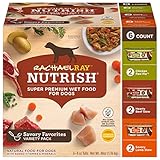
Overview: The Rachael Ray Nutrish Savory Favorites Variety Pack delivers six 8-ounce tubs of wet dog food inspired by the celebrity chef’s own kitchen recipes. This collection includes two each of Chicken Paw Pie, Hearty Beef Stew, and Savory Lamb Stew, offering rotational variety for dogs who enjoy diverse flavors. Formulated without corn, wheat, or soy, it positions itself as a natural option with added vitamins and minerals.
What Makes It Stand Out: The Rachael Ray brand recognition brings mainstream credibility to natural pet food, making it accessible to consumers transitioning from conventional brands. The 8-ounce tub size is notably smaller than standard 13-ounce cans, potentially reducing waste for smaller dogs or those who eat smaller portions. The variety pack eliminates decision fatigue by providing three protein sources in one purchase, each crafted to mimic home-cooked meals with recognizable ingredients.
Value for Money: At $0.30 per ounce, this sits in the mid-range premium category. While more expensive per ounce than bulk options, the smaller tub size may actually save money for single-dog households by preventing refrigerated leftovers that often go to waste. Compared to grocery store brands, you’re paying for the celebrity endorsement and natural formulation, but receiving comparable quality to other mid-tier natural foods.
Strengths and Weaknesses: Strengths include convenient portion sizing, flavor variety, recognizable ingredients, and strong brand trust. The absence of artificial preservatives and fillers appeals to health-conscious owners. Weaknesses include the higher cost per ounce versus bulk cans, potential for less protein density than grain-free alternatives, and plastic tub packaging which some eco-conscious buyers may avoid. The limited 6-tub quantity may require frequent reordering.
Bottom Line: Ideal for small to medium-sized dogs and owners seeking convenient portion control without sacrificing variety. The Rachael Ray Nutrish variety pack excels for households wanting to test different proteins or those prioritizing brand familiarity. While not the most economical choice for large breeds, it delivers reliable quality and convenience that justifies its moderate premium.
2. I and love and you Wet Dog Food - Baad Mooon On The Rise Variety Pack - Beef + Lamb, Grain Free, Filler Free 13oz can, 6pk

Overview: This grain-free, filler-free variety pack from the quirky brand “I and love and you” delivers six 13-ounce cans featuring beef and lamb recipes. Marketed under the playful “Baad Mooon On The Rise” name, this product emphasizes real meat as the primary ingredient while eliminating grains and unnecessary fillers. The formulation includes added moisture for hydration benefits, targeting health-conscious pet parents seeking transparent ingredient lists.
What Makes It Stand Out: The brand’s irreverent marketing stands out in a crowded category, but the real differentiation lies in its aggressive pricing for a grain-free formula. At just $0.17 per ounce, it’s one of the most affordable grain-free options available. The commitment to zero fillers means no rice, corn, or bulking agents that dilute nutritional value. The inclusion of extra moisture addresses chronic dehydration in dogs, particularly beneficial for those who don’t drink enough water.
Value for Money: Exceptional value defines this product. The $0.17 per ounce price point undercuts most grain-free competitors by 30-50%, making premium nutrition accessible to budget-conscious owners. The 13-ounce cans provide appropriate bulk for medium to large dogs, and the six-can pack offers sufficient quantity without overwhelming storage. While packaging lacks the premium feel of some competitors, the savings are substantial and tangible.
Strengths and Weaknesses: Strengths include unbeatable price for grain-free quality, real meat focus, hydration benefits, and clean ingredient philosophy. The brand transparency about avoiding cost-cutting fillers builds trust. Weaknesses include the unconventional brand name that may not resonate with traditional buyers, limited flavor variety within this specific pack, and potentially less rigorous quality testing than premium-priced alternatives. Some dogs may find the texture less appealing than gravy-heavy formulas.
Bottom Line: A budget-friendly grain-free champion perfect for cost-conscious owners unwilling to compromise on core nutritional principles. The “I and love and you” variety pack delivers exceptional value for medium to large dogs, though the branding may not suit everyone’s taste. For those prioritizing ingredient integrity over marketing prestige, this is a smart, economical choice.
3. I AND LOVE AND YOU Wet Dog Food - Double Dog Deer Moo Variety Pack - Beef + Venison, Grain Free, Filler Free 13oz can, 6pk

Overview: The Double Dog Deer Moo Variety Pack from “I and love and you” elevates the protein game with a beef and venison combination in six 13-ounce cans. This grain-free, filler-free formula maintains the brand’s commitment to real meat while introducing venison as a novel protein source. Designed for rotational feeding, it offers dogs a taste of wild game without compromising on the brand’s clean ingredient promise.
What Makes It Stand Out: Venison inclusion sets this apart from standard beef-and-chicken rotation packs, making it ideal for dogs with common protein sensitivities. The novel protein approach helps owners identify potential allergens while providing variety. The brand maintains its filler-free philosophy, ensuring every ingredient serves a nutritional purpose. At $0.21 per ounce, it remains competitively priced for a specialty protein blend.
Value for Money: While slightly pricier than its beef-and-lamb sibling at $0.21 per ounce, this pack still undercuts most venison-containing competitors significantly. The value proposition strengthens for dogs requiring novel proteins due to allergies, as veterinary therapeutic diets often cost double. The six-can quantity provides adequate testing period for sensitivity observation without large financial commitment. For owners managing dietary restrictions, the price represents genuine savings.
Strengths and Weaknesses: Strengths include novel protein inclusion, grain-free formulation, excellent price point for specialty ingredients, and clear labeling. The venison option supports elimination diets and provides lean, nutrient-dense protein. Weaknesses mirror the brand’s other offerings: polarizing marketing style, limited availability in some retail channels, and potential palatability issues for picky eaters unfamiliar with game meats. The formula may be too rich for dogs with sensitive stomachs initially.
Bottom Line: An excellent entry point for exploring novel proteins without therapeutic diet prices. Perfect for allergy-prone dogs or owners seeking to diversify their pet’s protein rotation. The Double Dog Deer Moo pack balances affordability with specialty nutrition, making it a wise choice for informed owners managing dietary sensitivities.
4. Natural Balance Limited Ingredient Adult Grain-Free Wet Canned Dog Food, Sweet Potato & Salmon Recipe, 13 Ounce (Case of 6)

Overview: Natural Balance’s Limited Ingredient Sweet Potato & Salmon recipe targets dogs with sensitivities through deliberate simplicity. Six 13-ounce cans feature salmon as the sole animal protein, paired with grain-free sweet potato fiber. The brand’s “Feed with Confidence” program tests every batch, providing veterinary technician support for concerned owners. This formula reduces ingredient complexity while maintaining complete nutrition.
What Makes It Stand Out: The limited ingredient philosophy shines for dogs with food intolerances, inflammatory conditions, or chronic digestive issues. Salmon as the first ingredient provides omega-3 fatty acids for skin and coat health, while sweet potato offers gentle, grain-free fiber. The rigorous safety testing program and transparent customer support demonstrate serious commitment to sensitive dogs. This isn’t just marketing—it’s a medical-nutritional hybrid approach.
Value for Money: At $0.31 per ounce, this commands a premium justified by specialized formulation and quality assurance. While more expensive than general grain-free options, it costs significantly less than prescription hydrolyzed protein diets. For dogs with diagnosed sensitivities, the price prevents costly vet visits and medication. The investment pays dividends in reduced itching, better stools, and improved quality of life. Bulk purchasing can further offset costs.
Strengths and Weaknesses: Strengths include single protein source, omega-3 richness, rigorous safety testing, professional support access, and proven results for sensitive dogs. The grain-free, limited ingredient approach eliminates common triggers. Weaknesses include the premium price point, potentially lower palatability for dogs accustomed to richer formulas, and the specialized nature that makes it overkill for healthy dogs. Some owners report texture inconsistency between batches.
Bottom Line: A top-tier choice for dogs with confirmed sensitivities or chronic digestive issues. The Natural Balance L.I.D. formula justifies its premium through scientific formulation and unmatched safety protocols. While unnecessary for robust dogs, it’s transformative for those needing dietary minimalism. Invest here if your dog struggles with conventional foods.
5. Nature’s Recipe Grain Free Wet Dog Food Salmon, Sweet Potato, and Pumpkin Recipe, 13 oz. Can (Pack of 12)

Overview: Nature’s Recipe Grain Free Salmon, Sweet Potato, and Pumpkin recipe delivers twelve 13-ounce cans of nutrient-dense wet food. Real salmon leads the ingredient list, supported by grain-free carbohydrates and fiber-rich pumpkin. This 12-pack emphasizes value through bulk packaging while maintaining natural formulation standards. The recipe targets health-conscious owners seeking consistent, quality nutrition without premium pricing.
What Makes It Stand Out: The 12-can bulk pack immediately distinguishes this offering, reducing per-ounce cost and reordering frequency. Pumpkin inclusion provides gentle digestive support beyond standard sweet potato formulations. The brand balances mainstream accessibility with natural food principles, avoiding the boutique pricing of specialty labels. This represents practical premium nutrition—quality without pretense.
Value for Money: At $0.24 per ounce, this delivers excellent value for a salmon-based, grain-free formula. The 12-pack structure reduces packaging waste and shipping costs per can. Compared to six-pack alternatives, you’re essentially getting two extra cans free when calculating per-ounce pricing. For multi-dog households or large breeds, the bulk format eliminates weekly reordering. The quality-to-price ratio challenges even budget brands.
Strengths and Weaknesses: Strengths include exceptional bulk value, digestive-friendly pumpkin, real salmon primary ingredient, grain-free formulation, and consistent availability. The larger pack size suits high-volume feeders. Weaknesses include the initial higher cash outlay, potential for food fatigue with only one recipe, and storage requirements for twelve cans. Some owners may prefer variety packs for rotational feeding. The formula may be too rich for sedentary dogs.
Bottom Line: The smart choice for cost-conscious owners of large breeds or multiple dogs. Nature’s Recipe bulk pack delivers premium grain-free nutrition at near-conventional food prices. While lacking variety, it excels in consistency, value, and digestive support. Stock your pantry with this if your dog thrives on salmon and you appreciate bulk savings.
6. Blue Buffalo Homestyle Recipe Adult Wet Dog Food, Made with Natural Ingredients, Chicken and Beef Dinner Variety Pack, 12.5-oz Cans (6 Count, 3 of Each)

Overview:
Blue Buffalo Homestyle Recipe delivers premium wet nutrition through this chicken and beef variety pack. Each 12.5-ounce can prioritizes real meat as the first ingredient, formulated specifically for adult dogs. The six-can assortment provides three of each flavor, ensuring dietary variety while maintaining consistent quality standards that health-conscious pet owners expect from the brand.
What Makes It Stand Out:
The commitment to natural ingredients is evident with no chicken by-product meals, corn, wheat, or soy. The “feed three ways” versatility stands out—serve as a complete meal, dry food topper, or between-meal treat. Enhanced with vitamins and minerals, this formula supports overall health and coat condition. The brand’s reputation for quality control and transparent sourcing adds confidence for discerning owners.
Value for Money:
At $0.23 per ounce, this positions itself in the mid-premium tier. While more expensive than grocery store brands, it’s substantially cheaper than ultra-premium alternatives. The quality ingredients and brand reliability justify the cost for owners prioritizing natural nutrition. You’re paying for ingredient integrity without the boutique brand markup.
Strengths and Weaknesses:
Strengths include high-quality protein sources, natural ingredient profile, feeding flexibility, and Blue Buffalo’s trusted reputation. The formula avoids common allergens and fillers. Weaknesses involve the premium price point, smaller 12.5-ounce cans versus standard 13-ounce sizes, and potential flavor preference issues with picky eaters who may reject one variety.
Bottom Line:
Ideal for owners seeking natural nutrition without ultra-premium pricing. The quality ingredients and versatility make it a solid daily feeding solution or kibble supplement for health-focused households.
7. Blue Buffalo Blue’s Stew Natural Wet Dog Food, Made with Natural Ingredients, Hearty Beef and Country Chicken Variety Pack, 12.5-oz Cans, 6 Count

Overview:
Blue Buffalo Blue’s Stew provides grain-free nutrition in a hearty, gravy-rich format. This variety pack features six 12.5-ounce cans split between beef and chicken stews, offering dogs a meat-first meal with visible vegetables like carrots, peas, and potatoes steeped in flavorful gravy. The stew texture appeals to dogs preferring chunky, moist meals over pate.
What Makes It Stand Out:
The grain-free formulation distinguishes it from standard recipes, making it suitable for dogs with grain sensitivities. Real beef or chicken steeped in savory gravy creates an appetizing texture that picky eaters love. The absence of artificial flavors, preservatives, and common fillers demonstrates Blue Buffalo’s quality commitment. The visible vegetables provide natural nutrients and appealing texture variety.
Value for Money:
Priced at $0.23 per ounce, it matches the Homestyle Recipe line while offering grain-free benefits typically commanding 20-30% premiums. This positions it as an excellent value for dogs requiring grain-free diets without breaking the budget. You’re getting specialty diet benefits at standard premium pricing.
Strengths and Weaknesses:
Strengths include the grain-free recipe, high-quality protein, nutritious vegetable inclusions, and versatile feeding options. The stew format increases palatability for many dogs. Weaknesses involve the gravy texture, which can be messy and may not suit all dogs. Some owners might prefer pate-style for easier serving and storage. The smaller can size reduces value compared to bulk options.
Bottom Line:
A top choice for grain-sensitive dogs or owners wanting premium nutrition without ultra-premium pricing. The stew format and quality ingredients make it both nutritious and highly appealing to canine palates.
8. Purina Beyond Chicken, Carrot and Pea Ground Grain Free Wet Dog Food Natural Pate with Added Vitamins and Minerals - (Pack of 12) 13 oz. Cans

Overview:
Purina Beyond offers an affordable grain-free pate option with this twelve-pack of 13-ounce cans. Featuring real chicken as the number one ingredient alongside carrots and peas, this natural formula includes added vitamins and minerals to support immune health and overall wellness in adult dogs. The smooth pate texture provides consistent, easy-to-serve meals.
What Makes It Stand Out:
The combination of grain-free formulation and budget-friendly pricing sets it apart in the market. Purina’s sustainability initiatives, including water efficiency improvements, appeal to environmentally conscious consumers. The pate texture provides a smooth, consistent meal that’s easy to serve and store without mess. The larger pack size reduces shopping frequency.
Value for Money:
At $0.15 per ounce, this significantly undercuts premium competitors while maintaining grain-free status. It’s one of the best values for natural, grain-free nutrition from a major manufacturer, making it accessible for regular feeding. The twelve-can pack offers bulk pricing advantages without requiring warehouse membership.
Strengths and Weaknesses:
Strengths include exceptional affordability, grain-free recipe, natural ingredients, larger pack size, and Purina’s established quality control. The formula avoids common allergens and by-products. Weaknesses involve the pate texture, which some dogs dislike, and Purina’s mass-market perception compared to boutique brands. Limited flavor variety may not suit all preferences.
Bottom Line:
The best choice for cost-conscious owners unwilling to compromise on grain-free nutrition. It delivers quality ingredients at a price point that makes daily feeding economically feasible for most households.
9. Pedigree Choice Cuts in Gravy Adult Canned Soft Wet Dog Food, Beef & Country Stew, 13.2 oz. Cans (12 Count, Pack of 1)

Overview:
Pedigree Choice Cuts in Gravy provides budget-friendly wet nutrition in a twelve-pack of 13.2-ounce cans. This beef and country stew variety offers familiar flavors in a convenient, widely available format designed for adult dogs who enjoy meaty chunks in savory gravy. The recognizable brand ensures consistent availability at most retailers.
What Makes It Stand Out:
The exceptionally low price point makes it accessible for all budgets. Pedigree’s widespread availability and brand recognition provide reliability for consistent purchasing. The “mix-it” versatility allows use as a topper, mixer, or standalone meal, offering flexibility in feeding routines for picky eaters. The chunky texture appeals to dogs who enjoy chewing meat pieces.
Value for Money:
At $0.13 per ounce, this is the most economical option reviewed. While ingredient quality doesn’t match premium brands, the complete and balanced nutrition makes it functional for budget-conscious households or supplemental feeding strategies. The twelve-can multipack maximizes convenience and minimizes per-ounce cost.
Strengths and Weaknesses:
Strengths include unbeatable affordability, convenient multipack size, 100% complete nutrition, and trusted brand heritage. The formula works well for mixing with dry food. Weaknesses involve lower-quality ingredients, presence of grains and fillers, and potential artificial additives despite marketing claims. The protein content may be lower than premium alternatives, and gravy can be messy during serving.
Bottom Line:
Suitable for owners prioritizing cost over premium ingredients. Works well as a kibble topper or for multi-dog households where budget is paramount, but not ideal as a sole diet for health-focused owners seeking optimal nutrition.
10. Purina ONE Classic Ground Chicken and Brown Rice, and Beef and Brown Rice Entrees Wet Dog Food Variety Pack - (Pack of 6) 13 oz. Cans

Overview:
Purina ONE Classic Ground offers a balanced approach with this six-pack of 13-ounce cans featuring chicken and beef entrees with brown rice. This variety pack emphasizes real meat as the first ingredient while incorporating wholesome grains for digestible energy and fiber in adult dogs. The pate texture provides uniform consistency.
What Makes It Stand Out:
The “zero fillers” claim ensures every ingredient serves a nutritional purpose. Added antioxidants support immune health, while the brown rice provides digestible carbohydrates without corn, wheat, or soy. The brand’s scientific backing and veterinary nutritionist formulation adds credibility for health-conscious owners. The variety pack offers flavor rotation.
Value for Money:
At $0.15 per ounce, this delivers premium features at a budget-friendly price. It’s significantly cheaper than Blue Buffalo while maintaining quality standards, offering excellent value for owners comfortable with grain-inclusive diets and seeking proven nutrition. The six-can pack provides variety without excessive commitment.
Strengths and Weaknesses:
Strengths include real meat priority, no poultry by-products, affordable pricing, antioxidant inclusion, and trusted manufacturer reputation. The formula avoids common allergens like corn and wheat. Weaknesses involve grain content, which may not suit sensitive dogs, and the smaller six-pack size compared to bulk options. The pate texture lacks the variety some dogs prefer.
Bottom Line:
An intelligent compromise between quality and cost. Perfect for owners wanting better ingredients without grain-free premiums, ideal for dogs without dietary restrictions who need complete, balanced nutrition from a research-backed brand.
Understanding Carrageenan and Why It Matters
What Exactly Is Carrageenan?
Carrageenan isn’t some synthetic chemical cooked up in a lab—it’s a polysaccharide extracted from red seaweed, used for decades in human and pet foods as a gelling agent and stabilizer. Food scientists love it because it creates that appealing, gravy-like consistency dogs find irresistible while keeping ingredients uniformly suspended in the can. In technical terms, it binds water molecules and creates a stable emulsion, preventing separation during storage.
But here’s where it gets complicated: carrageenan exists in two forms—food-grade (undegraded) and degraded. While pet food manufacturers insist they use only the undegraded version, studies have shown that even food-grade carrageenan can contain small amounts of the degraded variety, which is a known inflammatory agent. This degradation can occur during processing, storage, or even digestion in the gut.
The Debate: Why Pet Parents Are Concerning
The controversy stems from research linking carrageenan to intestinal inflammation, ulcerations, and abnormal tissue growth in laboratory animals. While no large-scale studies have definitively proven similar effects in dogs, the mechanism of concern is plausible: carrageenan can activate inflammatory pathways in the digestive tract. For dogs with pre-existing conditions like inflammatory bowel disease (IBD), colitis, or sensitive stomachs, this potential irritant becomes particularly problematic.
Many holistic veterinarians report anecdotal improvements when switching sensitive dogs to carrageenan-free diets—reduced gas, more formed stools, less frequent vomiting, and even improvements in skin and coat condition. Whether this is due to removing carrageenan specifically or simply upgrading overall ingredient quality, the correlation has convinced many pet parents it’s an unnecessary risk.
Reading Labels Like a Pro
Where Carrageenan Hides on Ingredient Lists
Carrageenan isn’t shy—it must be listed by its legal name on pet food labels. You’ll typically find it buried in the middle to end of ingredient lists, often near other gums and thickeners. It appears in stews, gravies, loaf-style foods, and even some pâtés where moisture retention is crucial. The tricky part? It’s often accompanied by other questionable additives, so spotting it means you’re already looking at a product that prioritizes texture over simplicity.
Other Names and Derivatives to Watch For
While carrageenan itself is straightforward to identify, some manufacturers use related seaweed extracts that raise similar concerns. Keep an eye out for “red seaweed extract,” “irish moss,” or “alginate” in various forms. Though technically different compounds, they share similar origins and purposes. Additionally, some foods list “natural gums” as a collective term—while this might include innocent options like locust bean gum, it provides zero transparency about what’s actually in the can.
Nutritional Foundations of Quality Wet Food
Protein: The Cornerstone of Canine Health
The first ingredient should always be a named animal protein source—think “chicken,” “beef,” or “salmon,” not vague terms like “meat” or “animal by-products.” But depth matters more than position alone. Look for multiple complementary protein sources throughout the ingredient list, indicating a robust amino acid profile. For wet foods, protein percentages should typically range from 8-12% on an as-fed basis (which translates to roughly 35-50% on a dry matter basis), depending on the formula’s moisture content.
Moisture Content: More Than Just Hydration
Wet food’s 75-85% moisture content isn’t just about hydration—it’s about digestibility. The high water content means nutrients are more bioavailable and easier on kidneys. However, this same moisture creates formulation challenges that manufacturers often solve with thickeners. Truly premium carrageenan-free foods achieve proper texture through careful ingredient selection and cooking methods rather than relying on artificial binders.
Essential Nutrients Beyond the Basics
Beyond protein and moisture, scrutinize the nutrient panel. Quality foods include chelated minerals (look for words like “proteinate” or “chelate” after mineral names), which are more easily absorbed. Natural sources of vitamins—like spinach for vitamin K or blueberries for antioxidants—are preferable to synthetic additions alone. Omega fatty acids should come from named sources like fish oil or flaxseed, not generic “animal fat.”
Identifying Truly Safe Alternatives
Natural Gelling Agents That Are Actually Safe
Carrageenan-free doesn’t mean gum-free. Many excellent formulas use safe, natural alternatives. Agar-agar, another seaweed derivative, provides gelling without the same inflammatory concerns. Tapioca starch and potato starch offer clean thickening power, while pumpkin and sweet potato puree add natural body plus fiber and nutrients. Some brands skip thickeners entirely, using slow-cooking methods that naturally break down ingredients into a cohesive texture.
The Role of Guar Gum and Xanthan Gum
These two gums frequently replace carrageenan, and they’re generally considered safe in the amounts used in pet food. Guar gum, derived from guar beans, adds soluble fiber that can actually benefit digestion. Xanthan gum, produced through bacterial fermentation, creates stable suspensions without nutritional drawbacks. While extremely sensitive dogs might react to any additive, these two have far cleaner safety profiles than carrageenan and are typically well-tolerated.
Red Flags Beyond Carrageenan
Other Controversial Additives to Avoid
A carrageenan-free label means little if the food contains other problematic ingredients. Menadione (synthetic vitamin K3) has links to liver toxicity. BHA, BHT, and ethoxyquin are chemical preservatives with questionable safety records. Artificial colors like Red 40 or Blue 2 serve zero nutritional purpose and may trigger sensitivities. Sodium nitrite, used for color retention, forms potentially carcinogenic compounds during digestion.
The Truth About “Natural Flavors”
This vague term can hide dozens of undisclosed ingredients. While not inherently harmful, “natural flavors” often indicate hydrolyzed proteins or yeast extracts used to make low-quality ingredients palatable. Truly transparent brands will specify what these flavors are—like “natural bacon flavor” from real bacon—or omit them entirely, letting quality ingredients speak for themselves.
Matching Food to Your Dog’s Unique Needs
Life Stage Considerations
Puppies need higher fat and protein for growth, plus DHA for brain development. Adult dogs require maintenance-level nutrition with moderate calories. Seniors benefit from joint-supporting nutrients like glucosamine and omega-3s, plus easily digestible proteins. Some carrageenan-free lines offer life-stage-specific formulas, while others produce all-life-stage foods that meet the stricter puppy requirements, making them suitable for any age.
Breed Size and Metabolic Differences
Large and giant breeds need controlled calcium and phosphorus levels to prevent skeletal issues. Small breeds often require calorie-dense formulas in smaller portions. While wet food’s moisture content makes portion control trickier, the right caloric density matters. Look for feeding guidelines tailored to your dog’s expected adult weight, not just generic “small breed” labels.
Activity Level and Lifestyle Factors
A couch-potato Pug needs far fewer calories than a working Border Collie. Performance dogs benefit from higher fat content for sustained energy, while weight-management formulas should prioritize protein to preserve muscle mass during calorie restriction. The beauty of quality carrageenan-free foods is they often have simpler ingredient lists, making it easier to adjust portions based on body condition.
Texture and Formulation Types
Pâtés vs. Stews: What’s Really Different?
Pâtés offer a smooth, uniform texture that’s easy to portion and often contains fewer thickeners. Stews feature visible meat chunks in gravy, requiring more stabilizers to maintain consistency. Loaf-style foods fall somewhere between. For carrageenan-free seekers, pâtés often provide the cleanest ingredient lists since they rely on the natural binding properties of finely ground meat and organ tissue.
Gravies and Broths: What to Look For
The liquid component should be just as nutritious as the solids. Quality gravies derive thickness from reduced meat stocks and vegetable purees, not chemical binders. Look for “meat broth” as a primary ingredient rather than water. Some premium foods use bone broth, which adds collagen and minerals. Avoid products where gravy is simply thickened water with flavor enhancers.
The Protein Source Deep Dive
Single-Protein vs. Multi-Protein Formulas
Limited-ingredient diets featuring single protein sources are goldmines for dogs with suspected food sensitivities. They make elimination diets possible and reactions easier to track. Multi-protein formulas offer broader amino acid profiles and rotational feeding benefits but complicate allergy identification. The best carrageenan-free lines offer both options, letting you choose based on your dog’s specific situation.
Exotic Proteins: Are They Worth It?
Kangaroo, rabbit, venison, and duck aren’t just marketing gimmicks—they’re valuable for dogs with common protein allergies. However, “exotic” doesn’t automatically mean better. These ingredients should be sustainably sourced and properly balanced. Some manufacturers use them as primary proteins in carrageenan-free formulas specifically for sensitive dogs, while others include them as novelty ingredients in otherwise standard recipes.
Quality Markers That Matter
AAFCO Statements and What They Really Mean
The Association of American Feed Control Officials (AAFCO) provides two key statements. “Formulated to meet nutritional levels” means the food was designed on paper to meet standards. “Animal feeding tests using AAFCO procedures” indicates actual feeding trials, which is the gold standard. For carrageenan-free foods, feeding trials are particularly valuable—they prove the formulation works in real dogs, not just in theory.
Decoding “Human-Grade” and “Feed-Grade”
“Human-grade” means every ingredient and the manufacturing facility meet FDA standards for human food production—a rare and expensive claim. “Feed-grade” is the standard pet food category, legally allowed to contain ingredients unfit for human consumption. While human-grade doesn’t guarantee nutritional completeness, it does ensure ingredient quality and safety standards that naturally eliminate many controversial additives like carrageenan.
Manufacturing and Transparency
Questions to Ask About Production
Call the manufacturer. Seriously. Ask where their food is made (in-house facilities offer better control than co-packers), what safety testing they perform, and how they verify carrageenan-free status. Do they test final products for contaminants? Do they have a dedicated carrageenan-free production line to prevent cross-contamination? Transparent companies welcome these questions; evasive answers are red flags.
The Importance of Sourcing Transparency
Quality brands proudly disclose ingredient origins. Look for statements about antibiotic-free poultry, grass-fed beef, or wild-caught fish. Some even provide lot-level traceability through QR codes on cans. This level of transparency typically extends to additive choices—companies open about sourcing are usually the ones avoiding controversial ingredients like carrageenan in the first place.
Price vs. Value: Making Smart Investments
Why Premium Doesn’t Always Mean Better
A $4/can price tag might reflect marketing budgets, not ingredient quality. Conversely, bargain options often cut corners somewhere. True value lies in nutrient density and digestibility. A food with 90% digestibility means your dog uses more of each ounce, producing less waste. Calculate cost per calorie, not just cost per can. Sometimes a “premium” carrageenan-free food actually costs less to feed because you use less volume.
Calculating True Cost Per Serving
Divide the can’s price by the number of meals it provides based on your dog’s caloric needs, not generic feeding charts. A 12-ounce can might feed a 20-pound dog for two meals or a 60-pound dog for one. Factor in the cost of potential vet visits avoided by feeding a cleaner diet. That slightly more expensive carrageenan-free food that prevents chronic GI issues represents massive savings.
Transitioning to a Carrageenan-Free Diet
The 7-Day Switch Protocol
Sudden dietary changes shock the gut microbiome, even when upgrading quality. Start with 25% new food mixed with 75% old food for days 1-2. Move to 50/50 for days 3-4. Increase to 75% new food on days 5-6. By day 7, serve 100% carrageenan-free formula. For dogs with sensitive stomachs, extend this to 10-14 days, watching stool consistency as your primary indicator.
Monitoring Your Dog’s Response
Track three things: stool quality (should become firmer and less odorous), energy levels (often increase as inflammation decreases), and skin/coat condition (improvements typically appear within 3-6 weeks). Keep a simple journal. Some dogs experience temporary detox symptoms like mild gas or softer stools as their gut heals—this usually resolves within the first week.
Special Dietary Considerations
Sensitive Stomachs and Allergies
For dogs with IBD, colitis, or chronic diarrhea, carrageenan-free is just the starting point. Look for novel proteins, limited ingredients, and added probiotics or prebiotics like chicory root or pumpkin. Some sensitive dogs also react to gums, making truly gum-free pâtés the best option. Hydrolyzed protein formulas exist for severe cases, though few are carrageenan-free—making them a last resort.
Prescription Diets Without Carrageenan
Traditional prescription diets for kidney disease, urinary issues, or pancreatitis almost always contain carrageenan because it’s cheap and effective for texture control. However, several veterinary nutritionists now formulate therapeutic diets using alternative thickeners. These might not have the major brand recognition but offer the same medical benefits without the controversial additive. Discuss these options with a vet willing to look beyond conventional choices.
Storage and Safety Best Practices
Refrigeration Rules
Once opened, wet food becomes a bacterial playground. Refrigerate immediately in a sealed glass container (not the can) and use within 3-5 days. The surface will oxidize and lose palatability before it becomes truly unsafe, but nutrient degradation begins quickly. Portion out single servings if your dog eats small amounts. Never leave wet food out for more than 2 hours at room temperature.
Recognizing Spoilage Signs
Trust your nose—rancid meat smell is obvious. But also watch for bulging cans (indicating botulism risk), rust or dents compromising the seal, and any hissing when opening. Color changes in the food itself are normal with natural ingredients, but off-putting odors are not. When in doubt, throw it out. The cost of a can is never worth the risk of food poisoning.
Homemade Wet Food: Pros and Cons
When DIY Makes Sense
For absolute control over ingredients, nothing beats homemade. It’s the only way to guarantee zero carrageenan and know every ingredient’s source. This approach works well for dogs with multiple severe allergies or owners committed to meal prep. However, it requires significant research, time, and often proves more expensive than premium commercial options when done correctly.
Critical Nutrients Often Missed
Homemade diets frequently lack adequate calcium, trace minerals, and specific vitamins like vitamin D and E. Without organ meats in precise ratios, they can cause nutrient imbalances. If you go this route, work with a board-certified veterinary nutritionist to formulate recipes—don’t rely on internet blogs. They’ll recommend specific supplements and ratios that commercial foods have perfected through decades of formulation science.
Frequently Asked Questions
What exactly is carrageenan and why should I avoid it in my dog’s food?
Carrageenan is a seaweed-derived thickener used to create gravy-like textures in wet dog food. While legally considered safe, research links it to intestinal inflammation and digestive irritation in laboratory animals. Many pet parents report improvements in stool quality, gas, and overall digestion after removing it, especially for dogs with sensitive stomachs or inflammatory conditions.
How can I tell if a wet dog food really doesn’t contain carrageenan?
Always read the full ingredient list, not just marketing claims. Carrageenan must be listed by name. Be wary of vague terms like “natural gums” or “seaweed extract.” Contact the manufacturer directly if you’re unsure—reputable companies will confirm their carrageenan-free status and explain what alternative thickeners they use.
Are the gums that replace carrageenan safe for my dog?
Guar gum and xanthan gum, the most common replacements, have much stronger safety profiles and are generally well-tolerated. Guar gum even provides beneficial soluble fiber. However, extremely sensitive dogs might react to any additive. For these pups, look for gum-free pâtés that rely on natural ingredient binding.
Will switching to carrageenan-free food help my dog’s allergies?
It can help, especially if your dog has food sensitivities affecting their digestive tract. Carrageenan may contribute to gut inflammation that exacerbates allergic responses. However, true food allergies involve specific proteins. A carrageenan-free limited-ingredient diet with a novel protein gives you the best chance of identifying and eliminating triggers.
Is carrageenan-free wet food more expensive?
Not necessarily. While some premium brands charge more, many affordable options have dropped carrageenan due to consumer demand. Calculate cost per calorie rather than per can—a nutrient-dense formula might cost less to feed overall. Plus, preventing chronic digestive issues saves on veterinary bills.
Can puppies eat carrageenan-free adult dog food?
If the food is labeled “for all life stages,” it meets the stricter nutritional requirements for puppies and is perfectly safe. However, puppy-specific formulas often include added DHA for brain development and optimized calcium-phosphorus ratios. For large-breed puppies, choose a formula specifically designed to prevent rapid growth.
How long does it take to see improvements after switching?
Digestive improvements like firmer stools and less gas often appear within 3-7 days. Skin and coat changes take longer—typically 3-6 weeks as inflammation subsides and new hair grows. If you don’t see positive changes after 6-8 weeks, your dog’s issues may stem from other ingredients or underlying health conditions.
Are grain-free carrageenan-free foods better?
Not automatically. Grain-free became trendy due to concerns about allergies and dilated cardiomyopathy (DCM), but many grain-free foods replace grains with legumes, which have their own concerns. Unless your vet has diagnosed a grain allergy, focus on overall ingredient quality and proper formulation rather than grain content.
What about carrageenan in treats and supplements?
Carrageenan appears in many soft treats, dental chews, and gel supplements. The cumulative daily intake matters. If you’re committed to eliminating it, check every edible product your dog consumes. This is especially important for dogs with IBD or chronic digestive issues where even small amounts can trigger symptoms.
Can I just add water to dry food instead of buying wet food?
While adding water to kibble improves hydration, it doesn’t provide the same nutritional benefits as true wet food. Wet foods typically contain more animal protein, fewer carbohydrates, and different nutrient profiles. However, for budget-conscious owners, hydrating high-quality carrageenan-free kibble with warm water or bone broth offers a compromise that increases moisture intake without the additives found in many wet foods.