Watching your beloved companion slow down as kidney disease progresses can leave you feeling helpless, but the right nutrition plan offers a powerful way to take control. Prescription wet dog foods specifically formulated for kidney health represent one of the most effective tools veterinarians have to manage chronic kidney disease (CKD), potentially adding months or even years to your dog’s quality of life. These aren’t just premium pet foods with clever marketing—they’re scientifically formulated medical interventions that work by reducing the workload on damaged kidneys while providing complete nutrition.
Understanding what makes these diets effective, how to choose between options, and how to successfully transition your picky eater requires more than a quick internet search. This comprehensive guide walks you through everything you need to know about vet-approved prescription wet foods for kidney support, empowering you to make informed decisions alongside your veterinary team.
Top 10 Vet-Approved Prescription Wet Dog Foods for Kidney Health
Detailed Product Reviews
1. Hill’s Prescription Diet k/d Kidney Care with Chicken Wet Dog Food, Renal Food, Veterinary Diet, 13 oz. Cans, 12-Pack

Overview: Hill’s Prescription Diet k/d Kidney Care represents the gold standard in veterinary nutrition for canine renal disease. This clinically formulated wet food, developed by Hill’s team of veterinarians and nutritionists, specifically targets kidney function protection through precise nutrient modulation. Each 13-ounce can delivers therapeutic nutrition designed to slow disease progression and extend quality of life for dogs with compromised kidney function.
What Makes It Stand Out: The revolutionary ActivBiome+ Kidney Defense proprietary blend sets this formula apart, actively stimulating beneficial gut bacteria that support kidney health at the microbiome level. This science-backed approach is complemented by clinically proven nutrition that demonstrates measurable improvements in longevity and vitality. The formulation strategically reduces phosphorus and sodium—critical factors in managing renal workload—while maintaining palatability through multiple flavor and texture options that accommodate even discerning canine palates.
Value for Money: At $56.99 for twelve 13-ounce cans ($0.36 per ounce), this prescription diet commands premium pricing that reflects its research-backed efficacy. While significantly more expensive than conventional wet food, the cost aligns with therapeutic veterinary diets and may reduce future veterinary expenses by managing disease progression. The investment is justified for diagnosed cases requiring proven clinical nutrition.
Strengths and Weaknesses: Strengths include clinically validated results, veterinary endorsement, proprietary prebiotic technology, excellent palatability, and multiple flavor varieties. The ground texture with chicken appeals to most dogs. Weaknesses include mandatory veterinary prescription, high cost, and inclusion of some processed ingredients that may concern owners seeking minimally processed options. The formula also contains grains, which some dogs may not tolerate.
Bottom Line: For dogs with diagnosed kidney disease, Hill’s k/d offers unparalleled clinical validation and measurable health outcomes. The premium price is justified by proven results and veterinary oversight, making it the top recommendation for serious renal management where budget allows.
2. Forza10 - Dog Food, Vet Formulated Wet Dog Food for Kidney Support, Non-GMO, Lamb Flavor, Made in Italy (3.5 oz, 12 Pack)
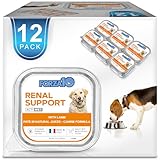
Overview: Forza10 Kidney Support wet dog food delivers Italian-crafted nutrition specifically engineered for renal health without requiring veterinary prescription. This 12-pack of 3.5-ounce cans features lamb-based protein tailored for dogs with food sensitivities, offering a convenient, non-GMO solution for kidney support that prioritizes both therapeutic function and digestive compatibility.
What Makes It Stand Out: The hydrolyzed protein formulation distinguishes this diet, breaking down proteins into smaller components that minimize allergic reactions while supporting kidney workload reduction. Enhanced with cranberries and dried dandelion—natural ingredients traditionally associated with urinary tract and kidney health—this formula takes a holistic approach. The Italian manufacturing standards and complete avoidance of by-products, wheat, soy, and artificial additives appeal to discerning pet owners seeking clean label transparency.
Value for Money: Priced at $28.75 for twelve 3.5-ounce cans ($0.68 per ounce), this option sits at the higher end per-ounce but offers accessibility without prescription costs. The smaller can size reduces waste for petite appetites, though multi-can daily feeding for larger dogs escalates expenses quickly. The non-GMO, clean ingredient profile provides strong value for quality-conscious buyers.
Strengths and Weaknesses: Strengths include no prescription requirement, hydrolyzed protein for sensitive dogs, non-GMO ingredients, natural kidney-supporting botanicals, and Italian quality standards. The lamb flavor offers novel protein variety. Weaknesses include high per-ounce cost, small can size increasing packaging waste, limited clinical trial data compared to prescription brands, and insufficient caloric density for larger breeds requiring multiple cans daily.
Bottom Line: Forza10 excels for dogs with concurrent food sensitivities and early-stage kidney concerns where prescription diets aren’t yet necessary. The clean formulation and novel protein source make it ideal for sensitive systems, though costs accumulate quickly for larger dogs.
3. Purina Pro Plan Veterinary Diets NF Kidney Function Canine Formula Wet Dog Food - (Pack of 12) 13.3 oz. Cans
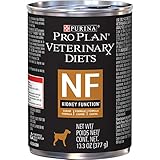
Overview: Purina Pro Plan Veterinary Diets NF Kidney Function formula provides evidence-based renal nutrition through precise protein and mineral restriction. This therapeutic wet food, requiring veterinary authorization, delivers controlled nutrition in a palatable 13.3-ounce can format, backed by Purina’s extensive research infrastructure and decades of veterinary nutrition expertise.
What Makes It Stand Out: The strategic restriction of high-quality protein rather than severe protein reduction represents a nuanced approach, maintaining muscle mass while managing renal workload. The formulation’s restricted phosphorus and reduced sodium directly address the metabolic demands of compromised kidneys, while added antioxidants combat oxidative stress associated with chronic disease. Purina’s veterinary research foundation lends credibility to the therapeutic claims.
Value for Money: At $55.99 for twelve 13.3-ounce cans ($0.35 per ounce), this prescription diet offers competitive pricing within the therapeutic category, slightly undercutting Hill’s per-ounce cost. The larger can size provides economical feeding for medium to large dogs, and the veterinary endorsement may justify the premium over non-prescription options through measurable health outcomes.
Strengths and Weaknesses: Strengths include veterinary formulation, balanced protein restriction, antioxidant fortification, trusted manufacturer research backing, and competitive pricing among prescription diets. The texture generally receives positive palatability feedback. Weaknesses include mandatory prescription requirement, inclusion of some controversial ingredients like meat by-products, grain content that may not suit all dogs, and less innovative microbiome support compared to newer competitors.
Bottom Line: Purina NF offers solid, research-backed renal nutrition at a slightly more accessible price point than Hill’s. It’s an excellent middle-ground choice for dogs requiring prescription-level kidney management without the premium cost of proprietary technologies, ideal for budget-conscious owners seeking veterinary-grade nutrition.
4. Dave’s Pet Food Kidney Care Dog Food (Tuna Pate), New Recipe! Wet Renal Dog Food, Low Phosphorus, Renal Kidney Support, Vet Formulated, 13.2 oz, (12 Pack)

Overview: Dave’s Pet Food Kidney Care Tuna Pate breaks the prescription barrier by offering veterinary-formulated renal nutrition accessible without veterinarian authorization. This improved recipe delivers low-phosphorus, low-protein nutrition in a 13.2-ounce can format, specifically designed to reduce kidney workload while enticing picky eaters through rich tuna flavor and increased dietary fat for palatability.
What Makes It Stand Out: The 0.08% maximum phosphorus level represents exceptionally stringent mineral control, among the lowest available in commercial diets. Formulated by board-certified veterinary nutritionists, this non-prescription option democratizes access to therapeutic nutrition. The inclusion of 17 additional vitamins and minerals, plus omega-3 fatty acids (EPA/DHA) and B-complex vitamins, addresses nutrient depletion common in renal disease, while the tuna pate formulation appeals to dogs rejecting traditional flavors.
Value for Money: At $43.99 for twelve 13.2-ounce cans ($0.28 per ounce), this offers exceptional value—among the lowest per-ounce costs in the renal category despite veterinary formulation. The prescription-free availability eliminates veterinary consultation costs, making it highly accessible for owners managing early to moderate kidney disease on limited budgets.
Strengths and Weaknesses: Strengths include no prescription requirement, extremely low phosphorus content, veterinary nutritionist formulation, high palatability with tuna and increased fat, omega-3 and B-vitamin supplementation, and excellent price point. Weaknesses include limited clinical trial data compared to prescription giants, potential mercury concerns with tuna for long-term feeding, lower brand recognition, and inconsistent retail availability. Some dogs may find the rich formula too heavy.
Bottom Line: Dave’s Pet Food delivers remarkable value for veterinary-formulated kidney care without prescription hurdles. The ultra-low phosphorus and tuna-based palatability make it ideal for dogs refusing other renal diets, though owners should discuss long-term use with their vet to ensure comprehensive disease management.
5. Blue Buffalo Natural Veterinary Diet KS Kidney Support Wet Dog Food, Chicken 12.5-oz cans (Pack of 12)

Overview: Blue Buffalo Natural Veterinary Diet KS Kidney Support combines therapeutic renal nutrition with Blue’s signature natural ingredient philosophy. This prescription-required wet food, packaged in 12.5-ounce cans, delivers controlled protein, phosphorus, and sodium levels while maintaining Blue’s commitment to real meat first and exclusion of common allergens and artificial additives.
What Makes It Stand Out: The formula starts with protein-rich chicken as the first ingredient, unusual in renal diets that often minimize meat prominence. This approach maintains palatability while controlling protein levels through careful formulation. The strict exclusion of chicken by-product meals, corn, wheat, soy, and artificial preservatives appeals to owners seeking clean, natural therapeutic nutrition. The controlled mineral levels specifically target kidney workload reduction without sacrificing ingredient quality standards.
Value for Money: Priced at $54.96 for twelve 12.5-ounce cans ($0.37 per ounce), this sits competitively within the prescription diet market, slightly higher than Purina and Dave’s but aligned with Hill’s premium positioning. The natural ingredient premium and Blue brand reputation justify the cost for quality-focused owners, though the prescription requirement adds veterinary consultation expenses.
Strengths and Weaknesses: Strengths include real chicken as primary ingredient, natural ingredient philosophy, exclusion of common allergens and artificial additives, controlled mineral levels, and strong brand reputation for quality. The formula avoids wheat thickeners used by competitors. Weaknesses include mandatory prescription, smaller can size reducing value for large dogs, grain content despite natural positioning, and premium pricing that may strain budgets. Some dogs may require transition time due to lower fat content.
Bottom Line: Blue Buffalo KS excels for owners seeking natural ingredient standards without compromising therapeutic efficacy. The real chicken foundation and clean label make it ideal for quality-conscious pet parents, though the prescription requirement and premium cost position it as a middle-to-high-end option for dedicated natural nutrition advocates.
6. Forza10 - Dog Food, Vet Formulated Wet Dog Food for Kidney Support, Non-GMO, Lamb Flavor, Made in Italy (3.5 oz, 32 Pack)

6.Forza10 - Dog Food, Vet Formulated Wet Dog Food for Kidney Support, Non-GMO, Lamb Flavor, Made in Italy (3.5 oz, 32 Pack)
Overview: Forza10 delivers Italian-crafted veterinary nutrition in a convenient 32-pack of 3.5-ounce cans designed specifically for canine kidney support. This lamb-flavored wet food combines therapeutic function with premium ingredients, offering a complete renal health solution for adult dogs requiring specialized dietary management.
What Makes It Stand Out: The formulation shines with hydrolyzed protein, making it ideal for dogs with food sensitivities alongside kidney issues. Italian veterinary expertise integrates cranberries and dried dandelion—natural ingredients known for urinary tract and kidney support. The Non-GMO certification and exclusion of wheat, soy, by-products, and artificial additives demonstrate an uncompromising approach to purity. Each small can ensures freshness and prevents waste, while the lamb flavor maintains palatability for finicky eaters.
Value for Money: At $53.49 for 32 cans, the per-can cost is reasonable for therapeutic-grade food, though the listed “$15.28/ounce” appears to be a significant error (actual cost is approximately $0.48/ounce). The bulk packaging offers savings over individual purchases, making it economical for long-term management. While premium-priced, the veterinary formulation and high-quality ingredients justify the investment for dogs with serious kidney concerns.
Strengths and Weaknesses: Strengths: Veterinary-formulated with hydrolyzed protein; clean, non-GMO ingredient profile; natural kidney-supporting botanicals; highly palatable lamb flavor; convenient portion control.
Weaknesses: High upfront cost; 3.5-ounce cans may be insufficient for larger breeds; incorrect price-per-ounce listing creates confusion; requires commitment to bulk purchase.
Bottom Line: Forza10’s 32-pack offers exceptional quality for dogs needing kidney support and digestive sensitivity management. The Italian craftsmanship and clean formulation make it a top-tier choice worth the premium investment.
7. Dave’s Pet Food Kidney Support for Dogs with Renal Support (Chicken Formula Crumble) Non-Prescription Low Phosphorus Restricted Diet Dog Food, Added Vitamins Minerals & Taurine, Vet Formulated (13 oz)
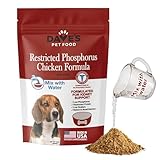
Overview: Dave’s Pet Food provides a non-prescription entry point into kidney care nutrition with this 13-ounce chicken formula crumble. Formulated by board-certified veterinarian nutritionists, this restricted diet delivers therapeutic phosphorus control without veterinary authorization, making it accessible for dogs showing early renal concerns or those awaiting diagnosis.
What Makes It Stand Out: The 0.4% maximum phosphorus level meets clinical standards for kidney protection while remaining available over-the-counter. The crumble format offers unique customization—adjust water ratios to create textures from paté to stew, solving palatability issues common in kidney disease. Seventeen added vitamins and minerals, plus omega-3 fatty acids, address nutrient losses from increased urination. The inclusion of taurine supports cardiac health, which often correlates with renal issues.
Value for Money: At $14.99 for a ten-day supply, this trial-sized bag represents exceptional value for cautious pet owners. It eliminates financial risk while testing palatability and therapeutic response before committing to larger quantities. The price point makes specialized kidney care accessible without compromising professional formulation standards.
Strengths and Weaknesses: Strengths: No prescription required; board-certified nutritionist formulation; customizable texture for picky eaters; clinically relevant phosphorus restriction; fortified with essential nutrients.
Weaknesses: Only available in small trial size; requires preparation time; crumble texture may not appeal to all dogs; limited flavor options.
Bottom Line: This trial bag serves as the perfect introduction to kidney management diets. For dogs transitioning to therapeutic nutrition, Dave’s offers professional-grade formulation with unmatched flexibility and value.
8. Forza10 - Dog Food, Vet Formulated Wet Dog Food for Kidney Support, Non-GMO, Lamb Flavor, Made in Italy (3.5 oz, 4 Pack)
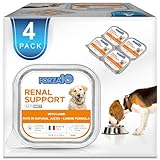
Overview: This compact 4-pack offers the same premium Italian kidney support formula as Forza10’s larger offering, providing a low-risk trial option for discerning pet owners. Each 3.5-ounce can delivers veterinary-formulated nutrition with lamb as the primary protein, designed for dogs requiring renal support without dietary compromises.
What Makes It Stand Out: The four-can sampler maintains all premium features: hydrolyzed protein for sensitive systems, cranberries and dandelion for natural kidney support, and strict non-GMO standards. This packaging size addresses the primary barrier to therapeutic diets—palatability uncertainty—by allowing dogs to trial the formula before owners invest in bulk. The Italian manufacturing quality control ensures consistency across every can.
Value for Money: At $19.99 for four cans, the per-unit cost is significantly higher than the 32-pack, but this serves as intelligent insurance against food rejection. While the listed “$91.38/pound” is mathematically inaccurate, the actual trial cost is reasonable for risk mitigation. It’s a strategic purchase for taste-testing rather than economical long-term feeding.
Strengths and Weaknesses: Strengths: Same premium formulation as bulk option; ideal for palatability testing; hydrolyzed protein for sensitive dogs; clean, non-GMO ingredients; veterinary-backed formulation.
Weaknesses: Prohibitively expensive for regular feeding; small can size impractical for large dogs; pricing confusion on listings; limited availability compared to larger packs.
Bottom Line: Purchase this 4-pack exclusively as a trial run. If your dog accepts the formula, immediately transition to the 32-pack for substantial savings. It’s a smart, albeit costly, sampling strategy.
9. Hill’s Prescription Diet k/d Kidney Care with Chicken Dry Dog Food, Veterinary Diet, 8.5 lb. Bag

Overview: Hill’s Prescription Diet k/d represents the gold standard in veterinary kidney care, backed by decades of clinical research. This 8.5-pound dry food bag delivers prescription-grade nutrition formulated by Hill’s team of veterinarians and nutritionists to actively protect kidney function while maintaining quality of life.
What Makes It Stand Out: The proprietary ActivBiome+ Kidney Defense prebiotic blend uniquely targets gut-kidney axis health, a cutting-edge approach in renal management. Enhanced Appetite Trigger (E.A.T.) technology clinically stimulates food intake, crucial for kidney dogs prone to anorexia. The formulation exceeds AAFCO amino acid minimums to preserve lean muscle mass, combating common renal disease muscle wasting. This is therapeutic nutrition with measurable outcomes.
Value for Money: At $6.47 per pound, this prescription diet commands premium pricing, but clinical validation justifies every penny. The 8.5-pound bag provides approximately 34 days of feeding for a 20-pound dog, making the daily cost competitive with over-the-counter options. Insurance may cover prescription diets, further improving value.
Strengths and Weaknesses: Strengths: Clinically proven kidney protection; ActivBiome+ prebiotic innovation; appetite stimulation technology; lean muscle preservation; extensive veterinary endorsement.
Weaknesses: Requires veterinary prescription; expensive initial investment; chicken protein may trigger allergies; dry format provides less hydration than wet alternatives.
Bottom Line: For confirmed kidney disease cases, Hill’s k/d is the benchmark therapeutic diet. The prescription requirement ensures proper diagnosis and monitoring, while the research-backed formulation delivers proven results that justify the premium cost.
10. Dave’s Pet Food Kidney Care Dog Food (Chicken Formula Crumble), Non-Prescription, Low Phosphorus, Low Protein , Renal Kidney Support, Vet Formulated, 4 lb

Overview: Dave’s Pet Food scales their kidney support formula into a practical 4-pound bag for long-term management. This non-prescription crumble combines veterinary formulation with feeding convenience, designed for dogs requiring sustained renal support without the prescription barrier.
What Makes It Stand Out: The larger size maintains the trial version’s strengths: 0.4% maximum phosphorus, board-certified nutritionist formulation, and customizable texture. Adding water transforms the crumble into a hydrating wet food, addressing kidney dogs’ critical fluid needs while allowing texture adjustment for individual preferences. The low-protein, low-phosphorus balance meets therapeutic guidelines while remaining accessible.
Value for Money: At $44.99 for 4 pounds ($0.70/ounce), this offers substantial savings over the 13-ounce trial bag and competes favorably with prescription wet foods. The ability to adjust water content stretches servings while increasing hydration—a dual value proposition. For multi-dog households or long-term feeding, this size delivers economic efficiency.
Strengths and Weaknesses: Strengths: Non-prescription convenience; economical bulk size; hydration-focused preparation; veterinary formulation; palatable chicken flavor; nutrient-fortified.
Weaknesses: Requires daily preparation; crumble texture has learning curve; storage freshness concerns after opening; not as convenient as ready-to-serve options.
Bottom Line: Dave’s 4-pound bag excels as a non-prescription, long-term kidney management solution. For committed owners willing to invest preparation time, it delivers professional-grade nutrition at accessible pricing with unmatched hydration benefits.
Understanding Canine Kidney Disease and Dietary Management
Chronic kidney disease affects an estimated 1 in 10 dogs over the age of 15, making it one of the most common conditions facing senior pets. The kidneys act as the body’s filtration system, removing waste products and maintaining critical electrolyte balances. When they begin to fail, toxins accumulate in the bloodstream, leading to symptoms like increased thirst, decreased appetite, weight loss, and lethargy.
Why Kidney Health Requires Specialized Nutrition
Standard dog foods, even high-quality commercial options, contain protein and mineral levels that can overwhelm compromised kidneys. The damaged nephrons struggle to filter out the byproducts of protein metabolism, particularly nitrogenous waste and phosphorus. This creates a vicious cycle where the kidneys work harder, accelerating their own decline. Prescription kidney diets are engineered to interrupt this cycle by providing precisely controlled nutrition that supports remaining kidney function while preventing further damage.
The Science Behind Prescription Diets
These therapeutic formulations undergo rigorous testing, including clinical trials measuring blood parameters, quality of life indicators, and survival times. Manufacturers work with veterinary nutritionists to create foods that meet specific nutrient profiles established by decades of renal research. The formulations target multiple pathways simultaneously—reducing metabolic waste, managing blood pressure within the kidneys, combating oxidative stress, and maintaining muscle mass despite lower protein levels.
What “Vet-Approved” Really Means for Your Dog
The term “vet-approved” on pet food packaging can be misleading. Truly therapeutic kidney diets require an actual veterinary prescription, similar to medication. This prescription requirement exists because these foods contain nutrient levels that could be inappropriate for healthy dogs and potentially harmful if used incorrectly.
The Veterinary Prescription Process Explained
Your veterinarian will diagnose kidney disease through blood work (measuring BUN, creatinine, and SDMA) and urinalysis. Based on the IRIS (International Renal Interest Society) staging system, they’ll determine disease severity and recommend specific therapeutic options. The prescription ensures proper monitoring—vets typically recheck blood work 2-4 weeks after starting the diet to assess effectiveness and make adjustments. This medical oversight is crucial because kidney disease progression varies dramatically between individual dogs.
Debunking Myths About Prescription Dog Foods
Many pet parents worry these diets are “drugged” or contain harmful ingredients. In reality, they’re made from high-quality, human-grade ingredients but with altered nutrient ratios. Another common misconception is that they’re just expensive versions of senior dog foods. The nutritional differences are substantial—prescription kidney diets contain 30-50% less phosphorus and significantly different protein levels than even the best senior formulas. These aren’t marketing gimmicks; they’re measurable, clinically significant modifications.
Key Nutritional Features That Support Kidney Function
When evaluating prescription wet foods for kidney health, several nutritional parameters deserve your attention. Understanding these components helps you appreciate why veterinary therapeutic diets outperform over-the-counter options.
Controlled Protein Levels: Quality Over Quantity
Contrary to outdated beliefs, kidney diets don’t eliminate protein—they optimize it. These formulas contain moderate amounts of highly digestible, high-quality protein that provides essential amino acids while minimizing nitrogenous waste. The protein source matters as much as the quantity; eggs, dairy proteins, and specific meat isolates offer superior biological value compared to rendered meals. This approach maintains muscle mass and supports immune function without overtaxing the kidneys.
Phosphorus Restriction: The Critical Mineral Balance
Phosphorus restriction stands as perhaps the most important feature of kidney diets. Elevated blood phosphorus (hyperphosphatemia) accelerates kidney damage and contributes to secondary hyperparathyroidism, which leaches calcium from bones. Prescription diets maintain phosphorus levels between 0.2-0.5% on a dry matter basis—dramatically lower than typical dog foods. Some advanced formulas include phosphate binders that prevent phosphorus absorption from the intestines.
Omega-3 Fatty Acids: Natural Anti-Inflammatory Power
EPA and DHA from fish oil provide powerful anti-inflammatory effects within the kidneys, helping to reduce protein loss in urine and slow disease progression. These omega-3s work by modulating inflammatory pathways and improving blood flow to kidney tissues. Prescription kidney diets contain therapeutic levels—typically 1-2% of total calories—from marine sources, far exceeding what’s found in regular dog foods.
Enhanced Palatability and Moisture Content
Wet formulations offer dual advantages: increased water intake and superior aroma. Kidney disease causes increased urination and dehydration risk, making the 75-80% moisture content in canned foods invaluable. Manufacturers also intensify flavors using animal digests and natural enhancers because maintaining appetite represents a constant challenge in CKD patients. The soft texture also benefits older dogs with dental issues.
Added B Vitamins and Antioxidants
Water-soluble B vitamins are lost through increased urination in kidney disease, so prescription diets provide supplemental levels to prevent deficiencies. Antioxidants like vitamin E, vitamin C, and selenium combat oxidative stress that damages kidney cells. Some advanced formulas include specific compounds like L-carnitine to support cellular energy production and combat muscle wasting.
How to Choose the Right Prescription Wet Food
With multiple therapeutic options available, selecting the optimal formula requires considering your dog’s specific health profile, preferences, and your veterinarian’s clinical experience.
Matching Formulation to Disease Stage
Early-stage kidney disease (IRIS Stage 1-2) may benefit from moderately restricted diets that focus on phosphorus control while maintaining higher protein levels. Advanced stages (Stage 3-4) require more aggressive nutrient restriction. Some manufacturers offer progressive formulations within their kidney diet lines, allowing seamless transitions as disease advances. Your vet will guide this staging, but understanding the concept helps you anticipate future changes.
Considering Your Dog’s Individual Needs
Beyond kidney disease, many dogs have concurrent conditions requiring dietary accommodation. Diabetes, pancreatitis, food allergies, or heart disease complicate food selection. Some prescription kidney diets are designed for multiple conditions—for example, kidney + heart support formulas with controlled sodium. Weight management also plays a role; underweight CKD dogs need calorie-dense options, while overweight dogs benefit from leaner formulations.
Understanding Ingredient Quality Standards
While you won’t see brand names here, knowing what constitutes premium therapeutic ingredients helps you evaluate options. Look for foods listing specific protein sources (like “chicken liver” versus “meat by-products”), natural preservatives, and recognizable carbohydrate sources. The manufacturing facility should have rigorous quality control, and the company should employ board-certified veterinary nutritionists. Don’t hesitate to ask your vet about the manufacturer’s reputation and recall history.
Transitioning Your Dog to a Kidney-Support Diet
Switching foods with a sick dog presents unique challenges. A gradual, patient approach prevents food aversions and digestive upset while maximizing acceptance of the new therapeutic diet.
The Gradual Introduction Method
Begin with a ratio of 75% old food to 25% new food for 2-3 days, then shift to 50/50, then 25/75, completing the transition over 7-10 days. For extremely picky eaters or dogs with nausea, extend this to 14 days. Warm the wet food slightly to enhance aroma—10-15 seconds in the microwave can make a significant difference. Always serve at room temperature or slightly warm, never cold from the refrigerator.
Managing Picky Eaters and Appetite Issues
Kidney disease often reduces appetite, making diet transitions particularly challenging. Try hand-feeding small amounts, using the wet food as a “topper” on the old food initially, or mixing with warm water to create a gravy. Some vets approve adding small amounts of low-phosphorus flavor enhancers like a teaspoon of plain white rice or a splash of low-sodium fish broth. Never force-feed, as this creates negative associations. If refusal persists beyond 48 hours, contact your veterinarian—appetite stimulants or anti-nausea medications may be necessary.
Monitoring Your Dog’s Response to Dietary Changes
Starting a prescription kidney diet isn’t a “set it and forget it” solution. Active monitoring ensures the food delivers intended benefits and allows timely adjustments.
Signs the Diet is Working
Positive indicators appear within 2-4 weeks: improved energy levels, better appetite, more stable weight, and reduced excessive thirst/urination. You might notice shinier coat and less “uremic breath” odor. However, these are subjective measures. Objective improvement requires blood work showing decreased BUN and creatinine levels, stable phosphorus, and improved red blood cell counts. Your vet will interpret these values in context of your dog’s overall condition.
When to Consult Your Veterinarian
Contact your vet immediately if your dog completely refuses food for 24+ hours, experiences vomiting or diarrhea, shows increased lethargy, or develops new symptoms like muscle tremors (which could indicate electrolyte imbalances). Also reach out if appetite is good but you notice weight loss, suggesting the food’s calorie content is insufficient. Regular rechecks every 3-6 months are essential for tracking disease progression and adjusting the nutritional plan.
Cost Considerations and Long-Term Planning
Therapeutic diets represent a significant financial commitment, but strategic planning makes them manageable. A 12-ounce can typically feeds a 20-pound dog for one day, with costs varying based on manufacturer and purchase location.
Insurance Coverage and Payment Options
Many pet insurance policies cover prescription diets when medically necessary, though usually with a separate rider or wellness plan. Some plans reimburse 50-80% of costs after a deductible. Manufacturer loyalty programs, autoship discounts from online pharmacies, and bulk purchasing through your vet clinic can reduce expenses by 10-20%. Discuss payment plans with your veterinary clinic—many offer CareCredit or in-house financing for chronic disease management.
Budgeting for Chronic Disease Management
Factor in not just food costs but also regular blood work (typically $150-300 every 3-6 months), potential medications for blood pressure or phosphorus control, and occasional hospitalization for fluid therapy. Creating a dedicated pet health savings account helps smooth these irregular expenses. Remember that effective dietary management often reduces the need for more expensive interventions later, making the food an investment rather than just an expense.
The Role of Treats and Supplements
Managing a kidney diet extends beyond main meals. Treats and supplements require careful selection to avoid undermining the prescription food’s benefits.
Choose low-phosphorus options like small pieces of apple, green beans, or white bread. Some manufacturers produce therapeutic treats specifically designed for kidney diets. Avoid commercial treats containing meat meals, bone meal, or organ meats, which are phosphorus-rich. Limit treats to no more than 10% of daily caloric intake, and adjust meal portions accordingly to prevent weight gain.
Regarding supplements, never add phosphorus binders, potassium, or vitamin D without veterinary guidance—these require precise dosing based on blood work. Omega-3 supplements should be vet-approved to ensure proper EPA/DHA ratios and avoid vitamin A toxicity from cod liver oil. Probiotics may benefit some dogs but choose veterinary-specific formulations, as human products may contain inappropriate strains or additives.
Frequently Asked Questions
Do I really need a prescription for kidney-support dog food?
Yes, legitimate therapeutic kidney diets require a veterinary prescription because they contain controlled nutrient levels that could harm healthy dogs if misused. The prescription ensures proper diagnosis, staging, and monitoring. Over-the-counter “kidney support” or “senior” foods lack the precise formulation and clinical validation of true prescription diets.
Can I cook homemade kidney diet instead of using prescription food?
Formulating a complete and balanced homemade kidney diet is extremely complex and risky without board-certified veterinary nutritionist guidance. While possible, it requires precise calculations, specific supplements, and regular recipe adjustments based on blood work. Most board-certified veterinary nutritionists recommend prescription foods as the safer, more reliable option, especially for dogs with advanced disease.
How long will my dog need to eat this prescription food?
Kidney disease is typically a lifelong condition requiring permanent dietary management. Once started, the therapeutic diet should be maintained for the remainder of your dog’s life. Discontinuing the diet usually results in rapid deterioration of kidney values and clinical symptoms. Think of it as essential medication delivered through food.
What if my dog absolutely refuses to eat the prescription food?
First, try warming the food, adding warm water, or using flavor enhancers approved by your vet. If refusal persists beyond 48 hours, contact your veterinarian. They may prescribe appetite stimulants, anti-nausea medication, or recommend trying a different therapeutic formulation. In rare cases, feeding tubes may be discussed for advanced disease where nutrition is critical but appetite is severely compromised.
Are there side effects of feeding kidney prescription diets?
When properly matched to disease stage, side effects are minimal. Some dogs experience temporary loose stools during transition. Over-restriction in early-stage disease could theoretically cause mild muscle loss, but this is rare with modern formulations. The most significant “side effect” is cost, which is a management consideration rather than a health risk.
Can my healthy dog eat prescription kidney food?
No. Healthy dogs, especially puppies or active adults, require higher protein and phosphorus levels for optimal health. Feeding kidney diet long-term to a healthy dog could lead to nutritional deficiencies, muscle wasting, and poor growth. Reserve these therapeutic foods for diagnosed cases under veterinary supervision.
How quickly will I see improvements after starting the diet?
Subjective improvements like better energy or appetite may appear within 1-2 weeks. Objective blood work changes typically take 2-4 weeks to become apparent. Your veterinarian will likely recheck kidney values 2-4 weeks after starting the diet, then every 3-6 months thereafter. Patience is important—the diet slows progression rather than providing instant results.
What’s the difference between wet and dry kidney prescription foods?
Wet foods provide 75-80% moisture, crucial for hydration in CKD dogs who urinate excessively. They’re also more aromatic and palatable, benefiting dogs with reduced appetite. Dry foods are more calorie-dense, economical, and convenient. Many vets recommend wet food as the primary diet, with dry kibble used sparingly for treats or convenience.
Can I mix different brands of kidney prescription food?
Generally, no. Each manufacturer’s formulation is carefully balanced; mixing brands disrupts the precise nutrient ratios your vet prescribed. If you’re considering a switch due to palatability or cost, transition completely to the new brand rather than mixing long-term. Always discuss brand changes with your veterinarian first.
Will my dog’s kidney disease be cured with this special diet?
Unfortunately, chronic kidney disease is irreversible. Prescription diets cannot cure damaged kidneys, but they are proven to slow disease progression, reduce clinical symptoms, and extend both lifespan and quality of life. Many dogs live happily for years with proper dietary management and veterinary care. The diet transforms kidney disease from a rapidly fatal condition into a manageable chronic disease.