If you’ve ever winced at the industrial-strength crunch coming from your Great Dane’s mouth or caught a whiff of what smells like a forgotten fish market from your Mastiff’s yawn, you already understand the stakes. Large breed dogs don’t just have bigger teeth—they wield them like powerful tools, generating crushing forces that compact plaque into cement-like tartar at an alarming rate. While small dogs might daintily nibble their way to cleaner teeth, your 100-pound companion requires something engineered for serious dental demolition.
The market is saturated with dental chews claiming to tackle tartar, but here’s the uncomfortable truth: most are designed for average jaws, not the hydraulic-press bite force of a Rottweiler or the relentless grinding style of a Bernese Mountain Dog. Choosing the wrong chew isn’t just ineffective—it can become a choking hazard or cause intestinal blockages. This guide cuts through the marketing noise to reveal what actually works for large breeds facing extra-tough tartar buildup, focusing on the engineering, ingredients, and safety protocols that separate genuinely effective dental solutions from expensive dog treats in disguise.
Top 10 Large Breed Dental Chews for Tartar Buildup
Detailed Product Reviews
1. Pedigree Dentastix Large Breed Dog Treats, Bacon Flavor, 2.08 lb. Bag (40 Treats)

Overview: Pedigree Dentastix offers a daily dental care solution for large breed dogs, combining oral health benefits with an appealing bacon flavor. Each 2.08-pound bag contains 40 treats designed for dogs 40 pounds and up, providing a month-plus supply of dental maintenance.
What Makes It Stand Out: The unique X-shape design sets these chews apart, creating a textured surface that scrapes plaque from hard-to-reach teeth during chewing. The triple-action formula simultaneously reduces tartar buildup, cleans teeth, and freshens breath. Unlike many competitors, these treats contain no added sugar or fillers, using a quality recipe that prioritizes your dog’s health while delivering a flavor dogs crave.
Value for Money: At $14.94 per bag ($7.18/pound), this represents solid mid-range value. Each treat costs approximately $0.37, making daily dental care affordable for most pet owners. Compared to premium veterinary brands, Pedigree offers similar mechanical cleaning action at a fraction of the cost, though it lacks VOHC certification.
Strengths and Weaknesses: Strengths include the innovative X-shape design, appealing bacon flavor, no added sugar, widespread availability, and established brand trust. Weaknesses involve lack of VOHC approval, potential ingredient concerns for sensitive dogs, and moderate effectiveness compared to premium alternatives. Some owners report inconsistent sizing between batches.
Bottom Line: Pedigree Dentastix provides a practical, budget-friendly option for maintaining your large dog’s dental health. While not the most advanced formula available, the combination of mechanical cleaning action and palatable flavor makes it an excellent choice for cost-conscious owners seeking daily dental care without breaking the bank.
2. Purina DentaLife Made in USA Facilities Large Dog Dental Chews, Daily - 18 ct. Pouch

Overview: Purina DentaLife provides scientifically-backed dental care for large dogs through a daily chew system. This 18-count pouch offers nearly three weeks of dental maintenance for dogs 40+ pounds, manufactured in Purina-owned USA facilities with rigorous quality controls.
What Makes It Stand Out: The VOHC (Veterinary Oral Health Council) acceptance provides clinical credibility, with studies showing 57% average tartar reduction. Eight distinct ridges create a porous, chewy texture that cleans down to the gumline more effectively than smooth alternatives. The chicken flavor appeals to dogs without relying on artificial flavors or colors.
Value for Money: At $7.89 per pouch ($0.44 per chew), DentaLife positions itself as an affordable premium option. The cost per day is competitive with Pedigree, but the VOHC certification and proven efficacy justify the price. However, the 18-count size requires more frequent purchases than larger bags.
Strengths and Weaknesses: Strengths include VOHC approval, scientifically proven results, USA manufacturing, no artificial additives, and effective ridge design. Weaknesses are the smaller package size, limited flavor options, and potential availability issues. Some dogs may consume them too quickly for optimal cleaning.
Bottom Line: Purina DentaLife delivers exceptional value for owners prioritizing clinically proven dental care. The VOHC seal distinguishes it from competitors, making it ideal for dogs needing reliable tartar control. While package size is modest, the scientific backing and effective design make this a top recommendation for health-conscious pet parents.
3. Milk-Bone Brushing Chews Daily Dental Dog Treats, Chicken Flavor, Large, 25 Count

Overview: Milk-Bone Brushing Chews bring the trusted heritage of America’s favorite dog biscuit brand to dental care. This 25-count bag serves large dogs over 50 pounds with daily treats designed to mimic brushing action while providing essential calcium for bone and dental health.
What Makes It Stand Out: The scrubbing action technology claims to clean teeth similarly to manual brushing, while added calcium supports strong bones and teeth—a unique nutritional bonus. The recognizable Milk-Bone brand offers consistency and trust, with a chicken flavor that maintains appeal without artificial flavors or fillers.
Value for Money: At $14.98 for 25 treats ($0.60 each), these sit in the mid-to-upper price range. The cost reflects brand reputation and added calcium benefit, though mechanical cleaning effectiveness appears similar to less expensive options. The price per pound ($7.11) is competitive with Pedigree.
Strengths and Weaknesses: Strengths include brand reliability, added calcium fortification, no artificial ingredients, and appropriate sizing for very large dogs (50+ lbs). Weaknesses involve lack of VOHC certification, higher per-treat cost, and limited innovation in shape design. The 25-count size falls between smaller pouches and larger value bags.
Bottom Line: Milk-Bone Brushing Chews suit owners loyal to the classic brand who value added nutritional benefits. While not the most advanced or economical choice, the calcium enrichment and trusted quality make it a reliable, if premium-priced, option for maintaining your large dog’s dental and skeletal health.
4. Virbac CET Veggiedent FR3SH Tartar Control Chews for Large Dogs Over 66 Pounds, Plant-Based Formula, 30 Count Bag
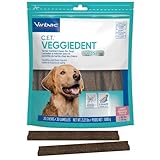
Overview: Virbac CET Veggiedent FR3SH targets extra-large dogs with a premium, plant-based dental solution. This veterinary-recommended brand offers 30 chews per bag, specifically formulated for dogs over 66 pounds seeking a meat-free, digestible alternative to traditional animal-based dental treats.
What Makes It Stand Out: The unique Z-shape design reaches front to back teeth comprehensively, while the three-way performance addresses teeth cleaning, breath freshening, and digestive support through prebiotics. The completely plant-based, gluten-free formula using non-GMO corn appeals to health-conscious owners and dogs with protein sensitivities.
Value for Money: At $36.39 ($1.02/ounce), this is the premium option in our comparison. Each chew costs approximately $1.21, significantly higher than competitors. However, the specialized formulation for giant breeds, veterinary backing, and unique digestive benefits justify the premium for targeted users.
Strengths and Weaknesses: Strengths include veterinary-grade formulation, plant-based ingredients, prebiotic digestive support, innovative Z-shape, and suitability for dogs with allergies. Weaknesses are the high price point, limited availability, and specific sizing for only the largest dogs (66+ lbs), making it unsuitable for many large breeds.
Bottom Line: Virbac CET Veggiedent FR3SH is ideal for owners of giant breeds or dogs with meat sensitivities who prioritize premium ingredients and digestive health. While expensive, the specialized formulation and veterinary credibility make it worth the investment for the right dog, but overkill for average large breeds.
5. ARK NATURALS Brushless Toothpaste, Dog Dental Chews for Large Breeds, Freshens Breath, Helps Reduce Plaque & Tartar, 18oz, 1 Pack

Overview: ARK NATURALS Brushless Toothpaste revolutionizes dental chews with a 4-in-1 formula that includes an actual toothpaste center. This 18-ounce bag contains medium-to-hard chews designed for large breeds (40-80 pounds), manufactured in the USA without corn, soy, wheat, or artificial ingredients.
What Makes It Stand Out: The innovative toothpaste center provides polishing action during chewing, while aromatic spices naturally freshen breath. The four-in-one design fights plaque, tartar, polishes teeth, and freshens breath simultaneously. The commitment to no fillers, grains, or artificial ingredients appeals to owners seeking clean-label pet products.
Value for Money: At $20.98 ($1.17/ounce), this is a premium-priced option. The cost reflects the unique formulation and high-quality ingredients, though the 18-ounce size may contain fewer treats than expected. The price per chew is higher than mainstream brands but competitive with other premium natural options.
Strengths and Weaknesses: Strengths include the innovative toothpaste center, natural ingredients, USA manufacturing, suitability for dogs with grain sensitivities, and medium-to-hard texture for effective cleaning. Weaknesses are the high price, vague quantity (18oz vs. exact count), and potential hardness concerns for senior dogs or aggressive chewers.
Bottom Line: ARK NATURALS Brushless Toothpaste suits owners prioritizing natural ingredients and innovative design over cost. The toothpaste center offers unique polishing benefits, making it excellent for dogs needing extra cleaning power. While premium-priced, the clean formula and effective design justify the investment for health-conscious pet parents.
6. Finn Plaque Patrol Dental Chews | Triple-Action Defense Against Plaque, Tartar, and Bad Breath | for Medium/Large Dogs, 25+ lbs
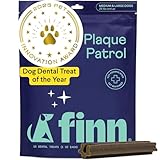
Overview: Finn Plaque Patrol Dental Chews deliver a premium triple-action solution for canine oral health, specifically engineered for dogs weighing 25 pounds or more. These bacon-mint flavored chews combine mechanical abrasion with chemical defense, scraping away existing plaque while preventing future tartar accumulation. Formulated under the guidance of a Board Certified Veterinary Nutritionist, each chew offers a scientifically-backed approach to dental care that prioritizes both efficacy and safety.
What Makes It Stand Out: The standout feature is the dual-flavor profile that cleverly masks functional ingredients with bacon taste while delivering minty freshness. Unlike many competitors, these chews are completely free from artificial preservatives and can be synergistically combined with Finn’s Plaque Patrol Dental Powder for enhanced protection. The vet nutritionist formulation lends credibility that mass-market brands often lack, making this a professional-grade home dental care option.
Value for Money: At $3.20 per ounce, this is decidedly premium pricing. However, the veterinary formulation, all-natural ingredient list, and triple-action mechanism justify the cost for discerning pet owners. When compared to professional dental cleanings that can exceed $500, these chews represent proactive prevention rather than reactive treatment, ultimately saving money long-term.
Strengths and Weaknesses: Strengths include veterinary nutritionist development, natural ingredient transparency, effective dual-action cleaning, and palatable flavor masking. Weaknesses are the high price point, limited size range excluding smaller breeds, and potential for rapid consumption by aggressive chewers, reducing cleaning efficacy.
Bottom Line: Finn Plaque Patrol is ideal for owners willing to invest in vet-formulated, natural dental prevention for medium to large dogs. While expensive, the professional formulation and dual-flavor approach make it a top-tier choice for comprehensive oral care.
7. Ark Naturals Protection+ Brushless Toothpaste – Large Breeds, 18oz Bag – Dog Dental Chew with Toothpaste Center – Prevent Plaque & Tartar and Freshen Breath with Dental Chews for Dogs

Overview: Ark Naturals Protection+ revolutionizes canine dental care with its innovative brushless toothpaste center technology, delivering a 5-in-1 formula specifically designed for large breeds over 40 pounds. Each chew features a toothpaste-filled core surrounded by a textured outer layer that works synergistically to prevent plaque and tartar buildup while supporting gum health. This daily regimen simplifies oral care by eliminating the struggle of traditional brushing.
What Makes It Stand Out: The patented toothpaste center concept provides sustained cleaning action as your dog chews, releasing active ingredients gradually rather than just surface abrasion. Natural breath fresheners like alfalfa, cinnamon, vanilla, and clove offer a chemical-free approach to odor control. With over 25 years of veterinary formulation expertise and USA manufacturing, Ark Naturals brings trusted experience to a crowded market.
Value for Money: Priced at $1.17 per ounce, these chews occupy the mid-range sweet spot. The recommended two chews daily regimen means an 18-ounce bag provides approximately a one-month supply for a large dog, making monthly costs reasonable compared to premium alternatives. The preventive benefits against costly veterinary dental procedures enhance long-term value.
Strengths and Weaknesses: Strengths include the innovative toothpaste center design, natural ingredient profile, USA manufacturing, extensive veterinary experience, and dual-texture cleaning action. Weaknesses involve the daily two-chew requirement increasing total cost, size limitation to large breeds only, and potential calorie addition to your dog’s diet.
Bottom Line: Ark Naturals Protection+ offers an excellent balance of innovation, quality, and value for large breed owners seeking a brushless daily dental solution. The unique toothpaste center makes it a standout choice worth the investment.
8. Purina DentaLife Daily Oral Care Large Dog Dental Chews Multipack - (Pack of 2) 30 ct. Pouches

Overview: Purina DentaLife provides a practical, VOHC-approved dental solution in a convenient multipack format, delivering 60 chicken-flavored chews designed for large dogs. Each chew features eight distinct ridges that create a porous, chewy texture, enabling mechanical cleaning action that reaches below the gumline. As a product meeting Veterinary Oral Health Council standards, it offers clinically recognized tartar reduction in an accessible daily treat format.
What Makes It Stand Out: VOHC certification distinguishes DentaLife from many competitors, providing third-party validation of effectiveness. The unique eight-ridge design maximizes surface contact and chewing time, enhancing cleaning efficacy compared to smooth-textured alternatives. The substantial multipack value proposition ensures owners won’t frequently reorder, while the chicken flavor appeals to even picky eaters.
Value for Money: At approximately $0.50 per ounce, this represents exceptional value in the dental chew category. The two-pack bundle containing 60 total chews translates to a two-month supply for most large dogs, dramatically reducing the per-day cost compared to premium veterinary brands. Purina’s scale and distribution efficiency make this the budget-friendly benchmark without sacrificing VOHC-verified performance.
Strengths and Weaknesses: Strengths include VOHC certification, economical pricing, appealing chicken flavor, innovative ridge design, and trusted brand reputation. Weaknesses may include less natural ingredient transparency than premium brands, potential inclusion of fillers, and the large package size requiring adequate storage space.
Bottom Line: For cost-conscious owners seeking proven, VOHC-approved dental care, Purina DentaLife is unmatched in value. The multipack convenience and scientific validation make it the smart choice for consistent daily oral health maintenance.
9. Vetriuntrix Dog Teeth Cleaning Chews, Dog Dental Chews for Plaque & Tartar Control with Natural Enzymes, Dental Care for Dogs with Probiotic, Fresh Breath for Small Medium Large Dogs

Overview: Vetriuntrix breaks convention with its sprinkle-on dental chews, offering an enzyme and probiotic-powered formula suitable for all dog sizes. Unlike traditional chews, this product mixes directly into your dog’s food, neutralizing bad breath at its source while controlling plaque and tartar through biochemical action rather than mechanical abrasion. The plant-based, veterinary-developed formula promises visible results within 2-4 weeks.
What Makes It Stand Out: The revolutionary administration method eliminates chewing entirely, making it ideal for dogs with dental pain, elderly pets, or those who simply refuse conventional chews. The combination of digestive enzymes, probiotics, and natural ingredients addresses oral health systemically, targeting the gut-breath connection many competitors ignore. Universal sizing and extremely low per-serving cost democratize dental care for multi-dog households.
Value for Money: At $0.13 per serving, this is the most economical dental solution available. A single bottle lasting months for most dogs reduces the annual cost to under $50, compared to hundreds spent on daily chews. The advanced concentrated formula requires minimal product per dose, maximizing value while delivering professional-grade ingredients.
Strengths and Weaknesses: Strengths include innovative sprinkle application, universal size suitability, enzyme-probiotic synergy, exceptional affordability, and suitability for dogs with chewing difficulties. Weaknesses involve lack of mechanical cleaning action, slower visible results (2-4 weeks), and potential for inconsistent consumption if dogs leave food unfinished.
Bottom Line: Vetriuntrix is perfect for owners seeking an effortless, budget-friendly alternative to traditional chews, especially for households with multiple dogs or pets that can’t chew effectively. The innovative approach delivers surprising value despite non-traditional format.
10. Ark Naturals Extreme Clean Brushless Toothpaste for Large Breeds, 18 oz Bag, Long-Lasting Dog Dental Chew with Toothpaste Center, Freshen Breath, Reduce Plaque & Tartar

Overview: Ark Naturals Extreme Clean elevates the brushless toothpaste concept with an extended, deeply-ridged design engineered for weekly use in large breeds. This enhanced version features a longer shape and more pronounced textures than its daily-use counterpart, delivering intensive cleaning action that reduces plaque, polishes teeth, and freshens breath through its signature toothpaste center. Designed as a supplemental deep-clean, it complements regular dental routines.
What Makes It Stand Out: The weekly regimen distinguishes Extreme Clean from daily competitors, offering convenience for busy owners while providing deeper mechanical cleaning through exaggerated ridges. The same trusted toothpaste center technology releases cleaning agents during extended chewing sessions, while natural ingredients like alfalfa and cinnamon maintain breath freshness without artificial additives. The 25-year veterinary formulation heritage ensures quality consistency.
Value for Money: At $1.22 per ounce, pricing aligns closely with the Protection+ line, but weekly usage makes each bag last significantly longer—potentially 3-4 months per bag. This extended duration offsets the slightly higher cost, delivering excellent long-term value. The deeper cleaning action may reduce frequency of professional cleanings, adding indirect savings.
Strengths and Weaknesses: Strengths include intensive weekly cleaning, deeper ridge design for enhanced abrasion, natural breath fresheners, USA manufacturing, and veterinary expertise. Weaknesses involve the weekly schedule potentially being insufficient for dogs with severe dental issues, size limitation to large breeds, and the need to supplement with other daily dental care for optimal results.
Bottom Line: Ark Naturals Extreme Clean is an excellent weekly deep-cleaning supplement for large breed owners already using basic dental care. The convenience and enhanced cleaning power make it a worthwhile addition to comprehensive oral health regimens.
Why Large Breed Dogs Face Unique Dental Challenges
Large and giant breed dogs present a perfect storm of dental risk factors that their smaller counterparts simply don’t experience. Their sheer bite force—often exceeding 300 PSI—compresses plaque against tooth surfaces with incredible pressure, essentially welding it to enamel. This mechanical reality means tartar forms in thicker, harder layers that resist standard dental chews designed for moderate chewing power.
Beyond brute strength, large breeds’ broader muzzles and wider tooth spacing create unique plaque accumulation patterns. Food particles become lodged in gaps that would be impossible in a Chihuahua’s compact mouth, while saliva pools in cheek pouches, creating a bacterial breeding ground. The physics of their chewing also differs; instead of the rapid chomping motion of small dogs, large breeds often employ powerful, sustained compression that can pulverize inadequate chews before they ever scrape a tooth surface.
The Anatomy of Extra-Tough Tartar Buildup
Extra-tough tartar isn’t just regular plaque that’s been left longer. It’s a mineralized biofilm that’s undergone a process called calcification, where calcium phosphate from saliva crystallizes within the bacterial matrix, creating a substance as hard as bone. In large breeds, this process accelerates due to the mechanical compression of their powerful bites, which drives minerals deeper into the plaque layer.
The result is a stratified buildup: a soft, newly-formed outer layer hiding a rock-hard inner core that clings to tooth roots and creeps beneath gum lines. This subgingival tartar is particularly dangerous, as it erodes the periodontal ligament and jawbone itself—a leading cause of tooth loss in large breeds. Effective dental chews must be abrasive enough to fracture this calcified outer shell while remaining safe enough for daily use.
How Powerful Jaws Change the Dental Chew Equation
A chew that lasts a 20-pound dog 30 minutes might disappear in 90 seconds under the crushing grip of a Dogo Argentino. This dramatic difference in consumption time isn’t just a budget concern—it fundamentally changes the chew’s dental efficacy. Rapid destruction means fewer scraping cycles against tooth surfaces and less contact time with gum lines where bacteria thrive.
Manufacturers design chews with specific Shore hardness ratings (a measure of material resistance). For large breeds, you need chews in the 70-90 Shore D range—hard enough to resist immediate destruction but not so rigid they risk tooth fracture. The chew’s deformation characteristics matter too; it should yield slightly under pressure to wedge between teeth and splay apart, creating a flossing action that reaches interdental spaces where tartar loves to hide.
Key Features That Separate Effective Chews from Imposters
Walking down the pet aisle, you’ll encounter an overwhelming array of shapes, sizes, and claims. The difference between a legitimate dental tool and a glorified snack lies in several non-negotiable engineering features that work synergistically to combat tartar.
First, examine the chew’s surface architecture. Effective designs incorporate raised ridges, nubs, and cross-hatched patterns that create variable pressure points as your dog chews. These features should be at least 3-5mm in height to achieve mechanical scraping action. Flat, smooth surfaces might massage gums but do virtually nothing to dislodge calcified tartar.
Second, the material’s abrasive coefficient must be carefully calibrated. Too soft, and it polishes rather than scrapes. Too hard, and it damages enamel or fractures teeth. The sweet spot for large breeds involves materials with controlled abrasiveness—think of it as fine-grit sandpaper rather than a steel wool pad.
Density and Durability: The Goldilocks Principle for Large Dogs
The ideal dental chew for large breeds must occupy a precise density window: dense enough to withstand sustained compression without crumbling, yet not so hard it becomes a tooth-breaking hazard. This balance is measured in pounds per cubic foot (PCF), with effective large-breed chews typically falling between 25-35 PCF.
Durability testing reveals that chews lasting 10-15 minutes of aggressive chewing provide optimal dental benefit. Shorter durations indicate insufficient resistance, while longer times suggest excessive hardness that may cause dental trauma. The chew should exhibit progressive wear—gradually eroding in layers that continuously expose fresh abrasive surfaces rather than breaking into large chunks that are swallowed whole.
Texture Patterns That Actually Scrape Plaque
Not all textures are created equal. Random bumps might look impressive, but engineered dental textures follow specific geometric principles. Helical (spiral) ridges create a drilling action as the chew rotates, while longitudinal grooves act like dental files, abrading tartar along the tooth’s axis.
The most effective patterns combine both: a primary spiral ridge for interdental cleaning with secondary cross-hatching for surface abrasion. These textures should be molded into the chew, not just sprayed on as a coating that quickly wears away. Depth matters—shallow textures under 2mm deep merely polish existing tartar rather than removing it.
Size Matters: Why “Large” Isn’t Always Large Enough
Package labeling is notoriously misleading. A “large” chew might be designed for a 50-pound dog, leaving your 120-pound Leonberger with a choking hazard. For true large breeds (75+ pounds), effective chews should measure at least 6 inches in length and have a minimum diameter of 1.5 inches.
Oversized chews serve a dual purpose: they prevent swallowing whole and force your dog to adjust their bite angle repeatedly, increasing the number of tooth surfaces contacted. The chew should be large enough that your dog must work it from multiple angles, creating a comprehensive cleaning action across all tooth rows.
Ingredient Deep-Dive: What Should (and Shouldn’t) Be Inside
The ingredient panel reveals more about a chew’s efficacy than any marketing claim. High-quality large-breed dental chews start with a protein base that provides structure and digestibility, but the functional ingredients determine tartar-fighting capability.
Look for naturally abrasive vegetable fibers like cellulose or pea fiber at concentrations of 10-15%. These fibers create micro-scrubbing action as they’re chewed, physically disrupting plaque matrix. Sodium hexametaphosphate (HMP) is a proven anti-calculus agent that binds calcium in saliva, preventing mineralization. It should appear within the first five ingredients to be present at therapeutic levels.
Avoid chews listing vague “meat by-products” as the primary ingredient—these offer inconsistent texture and digestibility. Similarly, steer clear of heavy starch loads (potato, corn, wheat as first ingredients) which crumble too easily and feed oral bacteria with fermentable carbohydrates.
Natural Abrasives vs. Chemical Additives
The debate between mechanical and chemical tartar control often confuses owners. Natural abrasives like ground oyster shell, coconut husk fibers, or bamboo powder provide physical scrubbing action without systemic effects. They’re ideal for dogs with sensitive stomachs or ingredient allergies.
Chemical additives like enzymes (glucose oxidase, lactoperoxidase) work by breaking down plaque’s protein structure before it mineralizes. While effective, they require sufficient chew time to activate—problematic for power-chewers who destroy chews rapidly. The most sophisticated formulas combine both: mechanical abrasion removes existing tartar while enzymatic agents prevent new formation.
Protein Sources and Digestibility Concerns
Large breed dogs often suffer from protein sensitivities, making digestibility critical. Single-source proteins like hydrolyzed chicken or novel proteins (kangaroo, alligator) reduce allergic reactions while providing the structural integrity needed for durability. The protein content should range from 30-50% on a dry matter basis.
Digestibility coefficients matter—look for chews with >85% digestibility ratings. Poorly digestible chews don’t just cause GI upset; they can create intestinal blockages when large pieces are swallowed. Manufacturers using pressure-cooking or extrusion methods create more digestible proteins than those using simple baking or dehydration.
Safety Protocols Every Owner Must Know
Even the most effective dental chew becomes dangerous without proper supervision and selection protocols. Large breeds’ powerful jaws introduce specific risks that require vigilant management.
Choking Hazards and Splintering Risks
The fatal flaw in many dental chews is their failure mode—how they break apart. Chews that fracture into sharp, rigid shards pose immediate throat and esophageal laceration risks. Safe large-breed chews exhibit ductile failure, tearing into soft, pliable strips rather than shattering.
Perform the thumbnail test: press your thumbnail into the chew. If it leaves a slight indent, the chew has appropriate give. If it’s rock-hard or crumbles immediately, it’s unsafe. For aggressive chewers, consider “moist” dental chews with 15-20% water content—they’re less likely to splinter and provide better tooth contact.
Digestibility and Gastrointestinal Impact
A chew’s journey doesn’t end at the teeth. Large pieces swallowed whole can expand in the stomach, causing dangerous blockages. Water-soluble chews that break down in gastric juices within 2-4 hours are safest. Avoid chews containing indigestible binders like rawhide (which can swell to 4x its size) or artificial polymers.
Monitor your dog’s stool after introducing a new chew. Undigested pieces appearing in feces indicate poor digestibility. For breeds prone to bloat (Great Danes, Mastiffs), avoid chews that cause excessive air swallowing—opt for shapes that don’t force wide gapes or rapid chewing motions.
Matching Chew Type to Your Dog’s Chewing Style
Understanding your individual dog’s chewing kinematics is as important as breed characteristics. Two Bernese Mountain Dogs might have completely different approaches—one a methodical gnawer, the other a destructive force of nature.
Aggressive Chewers vs. Gnawers
Aggressive chewers apply constant, massive pressure, often focusing on one spot until failure. They need maximum-density chews with reinforced cores or layered constructions that prevent rapid destruction. Look for chews with “chew-o-meter” ratings at the extreme end.
Gnawers work methodically, rotating the chew and applying moderate pressure across surfaces. They benefit from softer, more textured chews that maximize contact time and surface area interaction. For these dogs, durability is less critical than texture complexity—multiple ridge patterns will keep them engaged longer.
Age-Appropriate Selections from Puppy to Senior
Puppies under 18 months shouldn’t use adult large-breed dental chews. Their developing teeth and jaws require softer formulations with 40-50% lower density to prevent growth plate damage and tooth misalignment. Senior dogs (7+ years) often have worn enamel and periodontal disease, necessitating gentler chews with added joint-support ingredients like glucosamine.
For adult large breeds in their prime (2-6 years), full-strength formulations are appropriate. However, consider dental chews with added antioxidants to combat oxidative stress in giant breeds, which age faster than smaller dogs.
The Science Behind Tartar Control Claims
Marketing departments excel at creating convincing scientific-sounding claims. Understanding actual evidence separates genuine innovations from pseudoscience.
VOHC Seal: What It Really Means
The Veterinary Oral Health Council (VOHC) seal is the only independently verified certification for dental efficacy. However, it’s crucial to understand its limitations. VOHC approval means a product reduced plaque or tartar by at least 20% in controlled trials—not that it eliminated it. The seal also doesn’t account for large-breed specific performance; a chew might work for Beagles but fail under Mastiff jaws.
Check the VOHC website for the specific claim: “controls plaque” vs. “controls tartar” are different certifications. For extra-tough buildup, prioritize tartar-control seals, but verify the trial included dogs over 70 pounds. Many VOHC studies use small-breed protocols that don’t translate to giant breeds.
Understanding Clinical Studies vs. Marketing Hype
Genuine clinical studies involve randomized, controlled trials with measurable endpoints like digital plaque index scores or ultrasonic tartar thickness measurements. Be skeptical of claims based on “owner satisfaction surveys” or “veterinarian recommendations” without data.
Look for peer-reviewed publications in journals like Journal of Veterinary Dentistry. Studies should specify chew duration, dog breeds tested, and statistical significance. A 15% reduction in tartar sounds impressive until you learn the margin of error was 12%. For large breeds, demand breed-specific data—what works for a Cocker Spaniel is irrelevant to a Newfoundland.
Integrating Dental Chews Into a Comprehensive Oral Care Plan
Dental chews are adjunctive therapy, not a standalone solution. Think of them as the dental floss to your toothbrush, not a replacement for professional cleanings. The most effective protocol combines daily chews with weekly tooth brushing and annual veterinary dental exams.
Time chew sessions strategically: offer them after meals when saliva production is already elevated, enhancing the chew’s mechanical action. For maximum benefit, restrict access to 15-20 minutes, then remove the chew. This prevents overconsumption and maintains the chew’s novelty and effectiveness.
Rotate between different chew types weekly—one day a rigid nylon bone, another a textured edible chew. This variation prevents your dog from developing efficient destruction patterns and ensures different tooth surfaces receive attention. Keep a dental diary, noting which teeth show remaining tartar to adjust your strategy.
Red Flags: When to Immediately Retire a Dental Chew
A chew’s safety profile changes as it’s consumed. Implement a mandatory retirement policy when any chew reaches 75% of its original size—small enough to swallow but large enough to lodge in the esophagus. For large breeds, this threshold might be just 2-3 inches, occurring surprisingly quickly.
Inspect chews every two minutes during sessions. Discard immediately if you notice:
- Sharp, rigid edges forming
- Pieces breaking off larger than a quarter
- Your dog attempting to swallow rather than chew
- Blood on the chew (indicating gum laceration or fractured tooth)
- Change in texture (becoming slimy or overly soft, indicating saliva saturation and potential choking hazard)
Budget Considerations Without Compromising Quality
High-quality large-breed dental chews cost more per unit, but cost-per-minute-of-chewing reveals their true value. A $3 chew that lasts 15 minutes (20¢/minute) is more economical than a $1 chew destroyed in 90 seconds (67¢/minute). Calculate durability, not just sticker price.
Bulk purchasing through subscription services can reduce costs by 20-30%, but only after you’ve identified a chew your dog tolerates and that shows measurable dental improvement. For multi-dog households, consider “family size” packages, but store them properly to prevent moisture loss that reduces effectiveness.
Don’t fall for “value packs” of undersized chews marketed as “large breed.” Using two small chews instead of one properly-sized chew doubles your cost and increases choking risk. The false economy of cheap chews often results in higher veterinary dental bills down the line.
Sustainability and Ethical Sourcing in Modern Dental Chews
Environmental impact matters, especially for daily-use products. Traditional plastic-based nylon chews contribute to microplastic pollution as they wear down. Biodegradable options made from plant proteins or cultured casein offer comparable durability with 90% biodegradability within 180 days.
Ethical sourcing extends to protein ingredients. Look for Marine Stewardship Council (MSC) certification for fish-based chews or Global Animal Partnership ratings for livestock proteins. Some manufacturers now use invasive species proteins (like Asian carp), turning ecological problems into dental solutions.
Consider packaging waste—brands using compostable bags or recycled cardboard reflect holistic sustainability. For large breeds requiring frequent chew replacement, these choices significantly reduce your carbon pawprint.
Storage, Handling, and Hygiene Best Practices
Dental chews left in toy baskets become bacterial biofilms themselves, defeating their purpose. Store chews in airtight containers with silica gel packets to maintain optimal moisture content (12-18% for edible chews). Excessive dryness makes them brittle and prone to dangerous splintering; too moist, and they mold.
Implement a “one chew per day” rule, removing and discarding partially chewed pieces after each session. Never leave chews in your dog’s crate unattended—unsupervised chewing accounts for 60% of dental chew-related veterinary emergencies. Wash your hands after handling chews, as they harbor oral bacteria transferred from your dog’s mouth.
For nylon chews, sanitize weekly by scrubbing with a dedicated toothbrush and pet-safe disinfectant, then rinsing thoroughly. Replace nylon chews every 30 days or when the texture becomes smooth—worn surfaces lose their abrasive efficacy and become simple toys.
Frequently Asked Questions
How do I know if my large breed dog actually needs heavy-duty dental chews?
Examine your dog’s rear molars monthly. If you see yellow-brown buildup that doesn’t scrape off with a fingernail, or if your veterinarian has recommended a dental cleaning within the past year, standard chews won’t suffice. Large breeds often show tartar by age 2-3, compared to age 4-5 in smaller dogs.
Can heavy-duty dental chews replace professional cleanings?
No. While they can extend time between cleanings from 1 year to 2-3 years, they cannot remove subgingival tartar or treat established periodontal disease. Think of them as preventive maintenance, not treatment for existing conditions.
My dog destroys every chew in minutes. Does this mean they’re all unsafe?
Not necessarily, but it signals you need maximum-durability formulations. Look for chews specifically marketed for “extreme chewers” with layered densities. Consider edible chews with digestible tough textures rather than indestructible nylon, which may be too hard for dental safety.
Are grain-free dental chews better for tartar control?
Grain content doesn’t directly affect tartar removal efficacy. However, grain-free chews often use higher-quality protein bases that provide better structural integrity. Focus on fiber content and texture rather than grain-free marketing.
How long should a dental chew session last for optimal benefit?
15-20 minutes of active chewing provides maximum plaque disruption without overconsumption. Set a timer and remove the chew afterward. Multiple short sessions (10 minutes, twice daily) are more effective than one marathon chew session.
My senior large breed has worn teeth. Can they still use heavy-duty chews?
Transition to senior-specific formulations with 30-40% reduced hardness. Avoid any chew you can’t indent with your thumbnail. Consider supplementing with water additives and soft dental wipes instead of risking tooth fractures.
What’s the risk of tooth fracture with very hard chews?
Tooth fractures occur in approximately 10-15% of dogs using ultra-hard chews (hardness >90 Shore D). The carnassial teeth (upper fourth premolars) are most vulnerable. If you hear a sharp “crack” sound, discontinue immediately and inspect for slab fractures, which may expose the tooth pulp.
Can I give dental chews to my large breed puppy?
Wait until permanent teeth fully erupt (around 7-8 months) and avoid heavy-duty formulations until growth plates close (12-18 months). Puppy-specific chews should be markedly softer and smaller to prevent developmental issues.
How do I balance dental chews with my dog’s daily calorie intake?
Most dental chews contain 50-150 calories. For large breeds prone to obesity, subtract this from their meal portion or opt for low-calorie nylon chews on some days. Track weekly calorie totals rather than daily, allowing flexibility while maintaining balance.
Why does my dog’s breath still smell bad after using dental chews daily?
Persistent halitosis despite consistent chew use often indicates underlying disease: tonsillitis, gastrointestinal issues, or advanced periodontal disease with infection below the gum line. Schedule a veterinary dental exam—chews can’t treat established infections or non-oral causes of bad breath.