There’s something magical about watching your dog’s ears perk up at the scent of pine forests and mountain air. But as any seasoned wilderness enthusiast knows, the logistics of keeping your four-legged companion properly fueled on multi-day treks can quickly turn that dream into a logistical nightmare. Traditional kibble is bulky, canned food is heavy, and raw diets? Forget about it—unless you’re packing a portable freezer, which definitely won’t earn you any ultralight backpacker cred.
Enter freeze-dried raw meal bundles: the trail-blazing solution that’s revolutionizing how we feed our adventure dogs. These lightweight powerhouses pack the nutritional punch of a raw diet into featherlight packages that won’t break your back—or your budget. Whether you’re planning a weekend car camping trip or a week-long backcountry expedition, understanding how to choose the right freeze-dried raw bundles could be the difference between a thriving trail companion and a dog that’s running on empty.
Top 10 Freeze-Dried Raw Meal Bundles for Camping Dogs
Detailed Product Reviews
1. Nature’s Diet Simply Raw Freeze-Dried Whole Food Meal - Makes 18 Lbs Fresh Food with Muscle, Organ, Bone Broth, Whole Egg, Superfoods, Fish Oil Omega 3, 6, 9, Probiotics & Prebiotics (Beef)
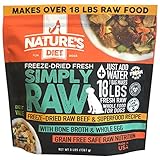
Overview: Nature’s Diet Simply Raw delivers a comprehensive freeze-dried beef formula that transforms into over 18 pounds of fresh food. This 3-pound bag offers a convenient entry point into raw feeding without the usual safety concerns or preparation hassles associated with traditional raw diets. The formula combines muscle meat, organs, bone broth, whole egg, and superfoods into a shelf-stable package that rehydrates in minutes.
What Makes It Stand Out: The transparency and ingredient integrity set this apart. Every component is human-grade, with purposeful inclusions like Omega 3-6-9 fatty acids, probiotics, and prebiotics for holistic wellness. The addition of chicken bone broth provides extra collagen and flavor, while the freeze-drying process ensures pathogen-free safety. The brand’s commitment to small-batch USA production with regionally sourced ingredients appeals to environmentally conscious pet owners who demand supply chain accountability.
Value for Money: At $0.73 per ounce, this represents solid mid-range value, especially considering it yields 18 pounds of rehydrated food. This makes it significantly more economical than many premium freeze-dried options while maintaining human-grade quality. Compared to preparing raw food from scratch, it saves considerable time and eliminates the learning curve and safety risks of handling raw meat.
Strengths and Weaknesses: Strengths include exceptional ingredient transparency, comprehensive nutrition profile, USA manufacturing, and the safety of freeze-drying. The rehydration requirement adds a minor prep step, and the 3-pound bag may prove bulky for trial purposes. Some owners might prefer a single-protein formula for dogs with specific sensitivities.
Bottom Line: An excellent choice for owners seeking a safe, transparent, and nutritionally complete raw diet without the premium price tag of some competitors.
2. Instinct Freeze Dried Raw Meals, Natural Dry Dog Food, Grain Free - Real Beef, 25 oz. Bag
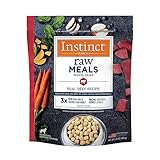
Overview: Instinct’s Freeze Dried Raw Meals represents the premium tier of commercial raw diets, delivering 85% meat and organs in a minimally processed formula. This 25-ounce bag provides complete, balanced nutrition designed to mirror ancestral canine diets while maintaining modern convenience through freeze-drying technology that preserves nutrient integrity.
What Makes It Stand Out: The 3x more real meat claim compared to their kibble line demonstrates serious protein commitment. The brand’s reputation for quality and the 15% non-GMO fruits and vegetables create a scientifically formulated balance. Being never-cooked preserves enzymatic activity and nutrient bioavailability that high-heat processing destroys, delivering true raw benefits in a safe format.
Value for Money: At $33.24 per pound, this is among the most expensive options available. The cost reflects the high meat content and premium brand positioning. For owners prioritizing protein concentration and willing to invest heavily in their dog’s nutrition, the price is justifiable. However, budget-conscious shoppers will find better value elsewhere, and the small bag size limits its practicality for large breeds.
Strengths and Weaknesses: Strengths include exceptionally high meat content, complete nutritional balance, reputable brand backing, and minimal processing. The prohibitive cost is the primary weakness, especially given the small 25-ounce bag size. The price makes it impractical for large dogs or multi-dog households as a primary diet, functioning better as a supplemental booster.
Bottom Line: A top-tier choice for owners seeking maximum meat content and nutritional integrity, provided budget constraints aren’t a primary concern.
3. 360 Pet Nutrition Freeze-Dried Raw Dog Food – Multi-Protein with Beef, Chicken, Fish, Liver & Organs, High Protein, Omega-3s, Fruits, Veggies & Superfoods, Grain-Free, No Fillers, 1 lb – Made in USA

Overview: 360 Pet Nutrition offers a multi-protein freeze-dried formula combining beef, chicken, fish, liver, and organs in a versatile 1-pound package. Designed for flexibility, it functions as either a complete meal or a nutritional topper, making it an accessible entry point for owners curious about raw feeding without committing to a single-purpose product.
What Makes It Stand Out: The multi-protein approach provides amino acid variety that single-protein diets lack, supporting broader nutritional coverage. Its dual-purpose design lets owners test raw feeding as a topper before committing to a full diet transition. The bite-sized pieces accommodate dogs of all breeds, eliminating the need for portioning or crushing that some freeze-dried foods require.
Value for Money: At $1.56 per ounce, this sits in the affordable premium category. The price point makes regular feeding feasible for most budgets, particularly when used as a topper to extend the bag’s lifespan. While not the cheapest option, the protein diversity and USA manufacturing justify the cost for owners seeking dietary variety without premium-brand pricing.
Strengths and Weaknesses: Strengths include protein variety, feeding flexibility, convenient sizing, and absence of fillers or artificial preservatives. The 1-pound bag runs out quickly for larger dogs, and the multi-protein formula may not suit dogs with specific protein sensitivities requiring limited ingredient diets. The nutritional completeness for all life stages isn’t explicitly stated.
Bottom Line: An adaptable, reasonably priced option perfect for owners wanting to introduce raw variety without committing to a single-protein or high-price formula.
4. Stella & Chewy’s Freeze-Dried Raw Beef Meal Mixers- Dog Food Topper and Mixer - Made with 95% Grass-Fed Beef, Organs & Bone - Perfect for Picky Eaters - Grain-Free - 3.5 oz

Overview: Stella & Chewy’s Freeze-Dried Raw Beef Meal Mixers target the notoriously difficult picky eater market with a 95% grass-fed beef formula. This 3.5-ounce bag serves primarily as a meal topper but can function as a complete meal, offering premium nutrition in a concentrated package that promises to entice even the most selective canine palates.
What Makes It Stand Out: The near-total meat content from grass-fed sources delivers exceptional palatability that converts finicky dogs. The brand’s widespread veterinary approval and inclusion of probiotics for digestive support create a trustworthy health proposition. Its versatility as either mixer or standalone meal provides feeding flexibility rare in single-purpose toppers, adapting to different household needs.
Value for Money: While price isn’t listed, Stella & Chewy’s typically commands premium pricing. The small 3.5-ounce bag functions best as a trial size or occasional topper rather than economical daily nutrition. Value emerges from its effectiveness with picky eaters, potentially reducing food waste from rejected meals and improving overall nutrition for dogs that otherwise eat inconsistently.
Strengths and Weaknesses: Strengths include unparalleled palatability, ultra-high meat content, grass-fed sourcing, and probiotic inclusion. The tiny package size limits practical use for large dogs, and the cost-per-pound as a primary diet would be extremely high. Some dogs may find the concentrated richness overwhelming initially, requiring gradual introduction.
Bottom Line: The ultimate solution for picky eaters, best utilized as a strategic topper rather than a cost-effective primary food source.
5. Primal Kibble in The Raw, Freeze Dried Dog Food, Beef, Scoop & Serve, Made with Raw Protein, Whole Ingredient Nutrition, Crafted in The USA, Dry Dog Food 1.5 lb Bag

Overview: Primal Kibble in The Raw revolutionizes convenience in the freeze-dried category with its scoop-and-serve formulation requiring zero preparation. This 1.5-pound bag delivers grass-fed beef nutrition without rehydration, bridging the gap between kibble convenience and raw food benefits for modern pet owners who prioritize time efficiency.
What Makes It Stand Out: The no-prep approach eliminates the waiting period entirely, making it ideal for busy households or travel. Using only whole foods with no synthetic vitamins or minerals demonstrates exceptional commitment to natural nutrition. The organic produce inclusion—featuring apples, sweet potatoes, and leafy greens—plus added probiotics support digestive health with a gentle, comprehensive formulation that mirrors whole prey feeding.
Value for Money: At $19.99 per pound, this positions itself as a premium convenience product. The price reflects the grass-fed sourcing and organic ingredients. While more expensive than traditional kibble, it offers raw benefits without time investment. For owners prioritizing convenience, the premium is justified compared to other raw formats that require significant preparation and storage considerations.
Strengths and Weaknesses: Strengths include ultimate convenience, high-quality whole food ingredients, grass-fed beef, digestive support, and organic produce. The price point may deter budget-conscious buyers, and some dogs prefer the texture and moisture of rehydrated raw. The 1.5-pound bag requires frequent repurchasing for larger dogs, making bulk buying more practical.
Bottom Line: The perfect solution for time-pressed owners unwilling to compromise on raw nutrition quality, offering unmatched convenience in the freeze-dried market.
6. Instinct Raw Boost Mixers, Freeze Dried Dog Food Topper, Grain Free Recipe - All Natural Beef, 14 oz. Bag
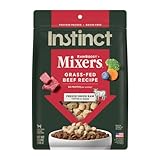
Overview: Instinct Raw Boost Mixers provide a convenient entry point into raw nutrition for dog owners unwilling to commit to a full raw diet. This 14 oz. bag combines all-natural beef with fruits and vegetables in a grain-free, freeze-dried format that preserves nutrients while delivering enhanced flavor and nutrition to your dog’s regular meals.
What Makes It Stand Out: The gentle freeze-drying process locks in raw nutrients without cooking, supporting digestion, skin and coat health, and overall vitality. Its versatility as both a meal topper and standalone treat adds practical value. The formulation excludes common allergens and artificial additives, using non-GMO produce and real meat sourced with care. Crafted in the USA with global ingredients, it meets high quality standards.
Value for Money: At $33.14 per pound, this topper occupies the mid-range price point. While significantly pricier than kibble, it’s competitive within the freeze-dried category. The 14 oz. bag offers substantial servings, and its dual functionality as treat and topper enhances its cost-effectiveness compared to purchasing separate products for each purpose.
Strengths and Weaknesses: Strengths include high-quality natural ingredients, grain-free formulation, versatile usage, effective nutrient preservation, and USA manufacturing. The product effectively entices picky eaters. Weaknesses include the premium price point that may strain budgets, potential richness for sensitive stomachs, and the bag’s size possibly compromising freshness for single-dog households before completion.
Bottom Line: Instinct Raw Boost Mixers are an excellent investment for health-conscious owners seeking to elevate their dog’s nutrition without full raw conversion. The quality ingredients and observable health benefits justify the cost for most canine companions.
7. Primal Freeze Dried Raw Dog Food Nuggets, Beef, Complete & Balanced Meal, Also Use as Topper or Treat, Premium, Healthy, Grain Free, High Protein Raw Dog Food, 14 oz

Overview: Primal’s freeze-dried nuggets deliver premium raw nutrition using grass-fed, antibiotic-free beef raised without hormones. This 14 oz. package functions as a complete meal, topper, or treat, offering flexibility for various feeding approaches. USDA organic fruits and vegetables complement the high-quality protein for balanced nutrition.
What Makes It Stand Out: The commitment to grass-fed, steroid-free beef and organic produce sets a high bar for ingredient quality. Unlike many competitors, Primal uses no synthetic vitamins or minerals, relying entirely on whole food nutrition. The minimal processing ensures maximum nutrient absorption, supporting optimal weight, skin, coat, oral health, and reduced stool volume.
Value for Money: At $43.41 per pound, this is a premium-priced option. However, its versatility as a complete meal eliminates the need for separate dog food, potentially offsetting costs. For those using it as a topper, the superior ingredient quality and organic certification justify the higher price point compared to conventional freeze-dried options.
Strengths and Weaknesses: Strengths include exceptional ingredient sourcing (grass-fed, organic), complete and balanced formulation, no synthetic additives, versatile serving options, and proven digestive benefits. The USA manufacturing ensures quality control. Weaknesses include the highest price per pound in this comparison, requiring rehydration for optimal feeding, and potential adjustment period for dogs new to raw food.
Bottom Line: Primal nuggets are ideal for owners prioritizing premium, organic ingredients and willing to invest in top-tier nutrition. The quality justifies the cost for those seeking the benefits of a complete raw diet without frozen storage hassles.
8. Simple Food Project The Freeze Dried Raw Dog Food Topper Featuring Organic Human Grade Ingredients [6 Pack Variety - 1oz Samples Bison, Duck, Lamb, Beef/Salmon, Duck/Trout, and Chicken/Turkey] …
![Simple Food Project The Freeze Dried Raw Dog Food Topper Featuring Organic Human Grade Ingredients [6 Pack Variety - 1oz Samples Bison, Duck, Lamb, Beef/Salmon, Duck/Trout, and Chicken/Turkey] …](https://m.media-amazon.com/images/I/51kF59fw9kL._SL160_.jpg)
Overview: This innovative variety pack offers six 1 oz. samples of freeze-dried raw recipes, featuring proteins like bison, duck, lamb, and chicken/turkey. Marketed as affordable raw nutrition, it provides organic, human-grade ingredients in small batches from Wisconsin, allowing dogs to sample multiple formulas before committing to larger quantities.
What Makes It Stand Out: The variety pack concept addresses a common barrier to raw feeding: uncertainty about palatability. Each recipe is carnivore-optimized—high in meat, rich in omegas, and low in carbs. The human-grade, USDA organic ingredients and small-batch production ensure exceptional quality control and food safety standards.
Value for Money: At $49.28 per pound (calculated from the 6 oz. total), the price is premium despite affordability claims. However, the sampler format prevents waste from purchasing full-sized bags your dog might reject. For a 40 lb dog, the company claims exclusive feeding costs only $1.70 per meal, making bulk purchases more economical than this introductory pack.
Strengths and Weaknesses: Strengths include variety for picky eaters, human-grade organic ingredients, small-batch quality control, and flexible usage as topper or complete meal. The Wisconsin manufacturing supports local production. Weaknesses include misleading per-pound pricing on the variety pack, small sample sizes may not show long-term health benefits, and higher cost than some competitors for the introductory format.
Bottom Line: Perfect for exploring raw feeding or accommodating finicky dogs, this variety pack offers premium quality despite premium pricing. Purchase bulk sizes after identifying your dog’s preferences for better value.
9. Vital Essentials Freeze Dried Raw Protein Mix-in Dog Food Topper, Beef Ground Topper for Dogs, 6 oz

Overview: Vital Essentials delivers a protein-packed beef ground topper in a convenient 6 oz. bag. Focusing on whole animal nutrition, this freeze-dried mix-in uses butcher-cut meat, organs, and marrow to provide concentrated protein that exceeds industry standards, supporting peak vitality and overall health.
What Makes It Stand Out: The whole animal philosophy taps into nutrient-rich muscle, organs, and marrow without any additives, fillers, dyes, or artificial preservatives. Protein is frozen within 45 minutes of harvesting and slow freeze-dried to lock in freshness. This single-ingredient focus delivers superior protein content for energetic playtimes, shinier coats, and leaner muscles.
Value for Money: At $36.56 per pound, this topper offers competitive pricing for premium freeze-dried beef. The 6 oz. size provides a manageable quantity for trial or occasional supplementation. While not inexpensive, the high protein concentration means smaller serving sizes, stretching the bag further than less nutrient-dense alternatives.
Strengths and Weaknesses: Strengths include exceptional protein quality, whole animal nutrition, rapid freezing preserves freshness, no grains or by-products, and USA manufacturing with 13+ decades of experience. The minimalist ingredient list suits sensitive dogs. Weaknesses include limited size options, may be too rich for some dogs as a sudden diet addition, and lacks the fruit/vegetable variety some owners prefer for complete nutrition.
Bottom Line: Vital Essentials is a top-tier protein booster for owners prioritizing meat-based nutrition. The quality and concentration make it worth the investment, especially for active dogs or those needing dietary enhancement without plant-based fillers.
10. Instinct Freeze Dried Raw Meals, Natural Dry Dog Food, Grain Free - Real Beef, 3 oz. Bag

Overview: Instinct’s Freeze Dried Raw Meals deliver concentrated nutrition in a compact 3 oz. bag, featuring 85% meat and organs with 15% non-GMO produce. This grain-free recipe provides three times more real meat than Instinct’s Original Kibble, supporting strong muscles and overall vitality in a minimally processed format.
What Makes It Stand Out: The 85% meat and organ content mirrors a natural carnivorous diet, while the freeze-drying process preserves nutrients without cooking. Free from grains, corn, wheat, soy, legumes, and artificial additives, it offers clean nutrition. The small bag size allows convenient trial before larger commitments.
Value for Money: At $46.03 per pound, this is premium-priced, though the 3 oz. bag functions as an affordable trial size. The high meat content means nutrient density justifies the cost per serving. For regular feeding, larger bags would improve economy, but this size perfect for testing palatability and tolerance.
Strengths and Weaknesses: Strengths include exceptionally high meat content, minimal processing, grain-free formulation, quality ingredient sourcing, and USA manufacturing. It effectively transitions dogs to raw nutrition. Weaknesses include highest per-pound cost in this comparison, small bag size limits long-term value, and may require gradual introduction to prevent digestive upset in kibble-fed dogs.
Bottom Line: An excellent entry point for raw feeding, this product delivers impressive meat content and quality. Ideal for trial or occasional supplementation, though regular users should purchase larger sizes for better value.
Why Freeze-Dried Raw Meals Are a Game-Changer for Canine Camping
The Science Behind Freeze-Drying: Nutrition Meets Convenience
Freeze-drying isn’t just fancy food dehydration—it’s a sophisticated preservation method that removes 98% of moisture while maintaining cellular structure and nutritional integrity. The process flash-freezes raw ingredients at temperatures below -40°F, then uses vacuum pressure to sublimate ice directly into vapor. This means your dog gets the amino acid profile of fresh meat, the enzyme activity of raw organs, and the vitamin density of uncooked produce, all without the bacterial risks of carrying actual raw meat in your pack. For camping, this translates to nutrient-dense meals that weigh 70-90% less than their fresh equivalents while delivering the same caloric and nutritional value.
Weight vs. Nutrition: The Backpacker’s Dilemma Solved
Every ounce matters when you’re shouldering a 40-pound pack up a mountain pass. A three-day supply of premium kibble for a 50-pound dog can easily add 6-8 pounds to your load. Freeze-dried raw meal bundles slash that weight to under 2 pounds while actually increasing protein bioavailability. The math is compelling: most freeze-dried formulas offer 45-55% protein by weight compared to kibble’s 24-30%, meaning your dog needs smaller portions to meet their energy demands. This creates a virtuous cycle where reduced food volume further decreases pack weight, leaving more room for water, safety gear, and maybe that extra bag of coffee you deserve.
Understanding Raw Meal Bundles: What Makes Them Different?
Complete vs. Topper Bundles: Decoding the Labels
Not all freeze-dried bundles are created equal, and the distinction matters enormously when you’re miles from civilization. Complete and balanced formulas meet AAFCO standards for all life stages, meaning they contain every nutrient your dog needs in precise ratios—no supplementation required. These are your go-to for extended trips. Topper bundles, however, are designed to enhance kibble, not replace it. They’ll list “for intermittent or supplemental feeding only” in tiny print. While lighter and cheaper, relying on toppers for a week-long expedition could leave your dog deficient in critical nutrients like calcium and vitamin D, potentially leading to fatigue or worse.
Portion Control Prowess: Pre-Measured vs. Bulk Options
Smart bundling for camping comes down to portioning strategy. Pre-measured patties or nuggets eliminate guesswork and scale-burdening measuring cups—each piece equals a specific weight range. For a 60-pound active dog, you might pack 12 patties per day. Bulk bags offer more flexibility and often better value, but require you to pre-portion into reusable silicone bags or repurposed pill bottles before hitting the trail. The sweet spot? Look for bundles offering “daily packs” that seal individually, giving you the convenience of pre-measurement with the flexibility to adjust portions based on daily mileage and terrain difficulty.
Essential Nutrient Profiles for Active Adventure Dogs
Protein Power: The Building Blocks of Trail Endurance
On the trail, your dog’s protein needs skyrocket. While a sedentary dog thrives on 18-25% protein, an active camping companion needs 35-50% to repair muscle tissue damaged by scrambling over boulders and swimming across alpine lakes. Look for bundles listing specific meat meals and organ meats within the first three ingredients—“beef heart” and “turkey liver” trump vague “meat by-products.” The amino acid profile matters too: high levels of leucine and valine support muscle recovery, while taurine is critical for cardiac health during sustained aerobic activity. For multi-day trips, aim for a minimum of 40% crude protein on a dry matter basis.
Healthy Fats: Sustained Energy for Long Hikes
Fat provides 2.5 times more energy than protein or carbs, making it the ultimate trail fuel. Quality freeze-dried bundles should contain 25-35% fat from named animal sources like chicken fat or salmon oil, not generic “animal fat.” These provide omega-3 and omega-6 fatty acids that reduce inflammation from repetitive stress and support joint health under load. For cold-weather camping, slightly higher fat content helps maintain core temperature. Watch for flaxseed or chia seeds as secondary fat sources—they’re excellent but shouldn’t replace animal-based fats as primary energy providers for carnivorous canines.
Micronutrients Matter: Electrolytes and Recovery
Extended exertion depletes electrolytes faster than casual day hikes. Premium bundles incorporate whole foods rich in potassium (sweet potato, spinach), magnesium (pumpkin seeds, kelp), and sodium naturally present in meat. Some include freeze-dried blueberries or tart cherries for antioxidants that combat oxidative stress from high-altitude activity. Vitamin E and zinc support paw pad integrity on rough terrain, while glucosamine and chondroitin from green-lipped mussel or trachea cartilage help protect joints carrying a doggy backpack. These micronutrients separate adequate fuel from performance nutrition.
Decoding Ingredient Quality: What to Look For
Sourcing Transparency: From Farm to Bowl
The wilderness demands the cleanest fuel. Reputable manufacturers specify sourcing regions: “free-range chicken from Pacific Northwest farms” or “grass-fed New Zealand beef.” This matters because ingredient quality directly impacts nutrient density and contamination risk. Look for bundles with lot numbers and manufacturing dates printed on each package—this allows traceability if issues arise. Companies that own their facilities maintain tighter quality control than co-packers. For camping, where veterinary care is distant, this transparency isn’t marketing—it’s risk management.
The “No-No” List: Ingredients to Avoid on the Trail
Certain ingredients that are merely questionable at home become problematic in the backcountry. Avoid bundles with artificial preservatives like BHA/BHT—natural tocopherols (vitamin E) are safer and lighter. Steer clear of high-glycemic fillers like corn, wheat, or soy that cause energy spikes and crashes. Legume-heavy formulas (peas, lentils as first ingredients) have been linked to diet-related DCM in some studies. Most importantly, skip anything with added sugar or sweeteners—they attract wildlife and provide zero nutritional value. Your dog’s trail diet should be cleaner than your own.
Packaging Perfection: What Makes a Bundle Travel-Ready
Re-sealability and Durability: Surviving the Backpack
Standard zip-lock bags fail at altitude, and paper packaging dissolves in rain. Look for bundles in multi-layer foil pouches with press-to-close seals that lock out moisture and oxygen. The material should feel substantial—if you can tear it with your fingers, it won’t survive jostling against carabiners and stove fuel. Some premium bundles use puncture-resistant packaging with tear notches that actually work when your hands are cold and gloved. Pro tip: double-bag your daily portions in reusable zip-top silicone bags as insurance against catastrophic spills that could leave your dog hungry 20 miles from the trailhead.
Space-Saving Designs: Flat Packs vs. Containers
Spatial efficiency matters as much as weight. Flat vacuum-sealed packs conform to pack contours, sliding between sleeping bags and hydration reservoirs. Brick-shaped containers create dead space and stress pack seams. For weekend trips, single-serve flat packs that stack like playing cards maximize every cubic inch. On longer expeditions, a combination works best: a bulk bag for base camp supplemented with daily flat packs for summit pushes. Some innovative bundles use “tear-and-pour” spouts that eliminate the need for measuring scoops, reducing your kit weight further.
Hydration Strategy: The Critical Rehydration Process
Water Ratios: Getting the Consistency Right
Rehydration isn’t guessing—it’s chemistry. Most freeze-dried formulas require a 1:1 to 1:2 ratio of food to water by volume. Too little water creates a paste that’s hard to digest and can cause dehydration; too much dilutes nutrients and creates slop that tips over in camp. The ideal consistency resembles thick oatmeal, coating the back of a spoon. For camping, pre-calculate water needs: if your dog eats 4 cups of freeze-dried food daily, budget 6-8 cups of water for rehydration plus their normal drinking amount. At high altitude, increase both by 25% to combat increased respiratory water loss.
Cold Water vs. Warm Water: Does It Matter?
Here’s where backpacker wisdom clashes with canine preference. Warm water (not hot) rehydrates food 50% faster—critical when you’re cold, tired, and your dog is circling impatiently. It also releases aromas that stimulate appetite in altitude-suppressed dogs. However, warm water requires fuel to heat it. Cold water works fine but needs 10-15 minutes of soaking versus 3-5 minutes with warm. The compromise? Use water from your bottle that’s been warmed by body heat during the day’s hike, or add a splash of hot water from your morning coffee prep to jump-start the process while using mostly cold stream water.
Palatability Factors: Ensuring Your Dog Actually Eats
Texture Preferences: Crunchy vs. Rehydrated
Some dogs prefer the natural crunch of freeze-dried nuggets fed dry, which works for short trips with ample water access. But dry feeding increases water requirements by 30-40% and can cause digestive upset in dogs not accustomed to it. For most camping scenarios, partial rehydration offers the best compromise—softened but still textured. Test this at home: offer your dog the same formula dry, partially rehydrated (5 minutes), and fully rehydrated (15 minutes). Their preference will inform your camp prep time and water budgeting. Remember, a dog that won’t eat on day three of a hard trek is a dog you’re carrying out.
Transitioning Tips: Avoiding Gastrointestinal Rebellion
Never switch to a new freeze-dried formula on day one of your trip. Start the transition two weeks before, mixing 25% freeze-dried with 75% current food, then gradually invert the ratio. This slow shift allows gut flora to adapt to the higher protein and fat content. During this period, observe stool quality—a sudden shift to soft-serve indicates you need to slow the transition. For sensitive dogs, add a probiotic supplement during the switch. The goal is iron-clad digestive predictability because dealing with diarrhea in a Leave No Trace environment is a nightmare neither of you wants to experience.
Shelf Life and Storage: Planning Multi-Day Adventures
Unopened vs. Opened: Timeline Realities
Unopened, quality freeze-dried bundles last 12-24 months—plenty for annual camping seasons. Once opened, the clock starts ticking aggressively. Exposure to humidity and oxygen initiates nutrient degradation and potential bacterial growth. In dry conditions, opened bags remain viable for 3-4 weeks if resealed properly. In humid backcountry environments, that window shrinks to 7-10 days. For trips exceeding a week, choose bundles packaged in multiple small bags rather than one large one. Or pre-portion into daily servings stored in vacuum-sealed bags with oxygen absorbers—the same strategy used by thru-hikers for human food.
Temperature Considerations: Hot Car Concerns
That black pack sitting in a sunny car at the trailhead? Internal temperatures can exceed 140°F, accelerating fat rancidity and vitamin breakdown in freeze-dried food. Store bundles in an insulated stuff sack or wrapped in your sleeping bag during travel. Once on trail, keep food in the center of your pack, away from exterior heat. Never leave freeze-dried meals in a hot car for more than an hour—if you must, use a cooler bag. The oils in quality freeze-dried formulas are its Achilles’ heel in heat, turning a premium product into a rancid liability that could ruin your trip.
Cost Analysis: Budgeting for Premium Trail Nutrition
Price Per Serving: The Real Math
Sticker shock is real—premium freeze-dried bundles can cost $8-12 per day for a 50-pound dog versus $2-3 for kibble. But calculate cost per calorie, not per ounce. Because freeze-dried is 3-4 times more calorie-dense, the real-world difference narrows. A better metric: cost per trail mile. If superior nutrition keeps your dog energetic and injury-free on day five, that’s value. For budget-conscious campers, consider hybrid strategies: freeze-dried for dinner when recovery matters most, kibble for breakfast when energy demands are lower. This cuts costs by 40% while still delivering premium nutrition when it counts.
Bulk Buying vs. Small Batch: What’s Smarter for Campers?
Purchasing a 25-pound bulk box slashes per-serving costs by 20-30%, but introduces storage challenges and freshness concerns for occasional campers. Small-batch bundles (5-10 pound boxes) offer fresher product and more rotation through protein varieties, reducing allergen risk. The camping sweet spot is medium-sized bundles (10-15 pounds) that you can portion into trip-specific quantities and store in a freezer between adventures. This preserves nutrient integrity and gives you flexibility to rotate proteins seasonally—lighter fish formulas for summer, richer red meat for winter expeditions.
Safety First: Handling Raw Food in the Wilderness
Cross-Contamination Prevention in Camp
Even though freeze-drying eliminates pathogens, rehydration reactivates any bacteria present from post-processing contamination. Designate a specific collapsible bowl for food prep only—never use it for human dishes. Bring biodegradable soap and wash the bowl 200 feet from water sources, just like your own cookware. Use a dedicated measuring scoop that never touches the ground. After feeding, wipe your dog’s muzzle with a damp bandana to prevent them from transferring raw residue to your sleeping bag or tent fabric. These protocols aren’t paranoid; they’re essential when veterinary care is a two-day hike out.
Wildlife Awareness: Storing Food Securely
Freeze-dried raw meals smell like food to bears, raccoons, and rodents—even when sealed. In bear country, store dog food in your bear canister or hang it with your own food using the PCT method. Never store it in your tent or pack overnight. The oils can permeate packaging over time, creating scent trails. For car camping, use a locked bear box. Some ultra-light bundles come in odor-barrier bags, but treat these as supplemental protection, not primary defense. A bear’s nose is 2,100 times more sensitive than yours—don’t test it.
Allergies and Sensitivities: Special Considerations
Limited Ingredient Diets for Sensitive Campers
The stress of travel and altitude can exacerbate food sensitivities, turning a mild chicken intolerance at home into full-blown dermatitis on the trail. Limited ingredient bundles featuring single protein sources and minimal botanicals (often just one vegetable and one fruit) reduce allergen exposure. For dogs with known issues, novel proteins like duck, rabbit, or kangaroo offer safe alternatives. Always pack a 3-day emergency supply of a hydrolyzed protein diet if your dog has severe allergies—it’s the canine equivalent of an EpiPen, providing a safe fallback if they react to something new.
Novel Proteins: When Common Proteins Fail
Dogs fed the same chicken or beef formula for years can develop sensitivities. Camping is the worst time to discover this. Novel proteins—proteins your dog has never eaten—reduce this risk. Venison, bison, and even alligator provide complete amino acid profiles with lower allergenic potential. For backcountry trips, consider bundles rotating three novel proteins across the week. This not only prevents sensitivities but ensures diverse micronutrient intake. The catch? Truly novel proteins cost 30-50% more, but that’s cheap insurance against cutting a trip short due to digestive distress.
Breed-Specific Needs: Tailoring Nutrition to Your Dog
High-Energy Working Dogs vs. Weekend Warriors
Your border collie mixing work and play on a sheepherding expedition needs 50% more calories than your bulldog lounging by the campfire. Working breeds thrive on bundles with 50%+ protein and 30%+ fat, often requiring 1.5-2 times the “standard” feeding guide amount. Conversely, brachycephalic breeds overheat easily and do better with moderate fat (20-25%) to avoid digestive stress. Sighthounds need higher taurine for cardiac performance at sustained trotting speeds. The key: calculate your dog’s needs based on expected activity level, not just weight. A 70-pound husky pulling a sled needs triple the calories of a 70-pound greyhound hiking leisurely.
Small Breed Considerations: Avoiding Overfeeding
Tiny adventurers have massive metabolisms but tiny stomachs. Freeze-dried nuggets designed for large breeds can be too calorie-dense, leading to dangerous blood sugar spikes. Look for bundles with smaller piece sizes or crumble larger patties. Small breeds need to eat 3-4 times daily versus 2 for large dogs, so pack accordingly. Their risk of hypoglycemia on strenuous hikes means you should carry high-value freeze-dried toppers (like pure liver) for quick energy boosts. And watch the sodium content—small dogs are more sensitive to electrolyte imbalances, especially at altitude.
Environmental Impact: The Eco-Conscious Camper’s Guide
Sustainable Protein Sources: Insects and Beyond
The Leave No Trace ethos extends to what we feed our dogs. Insect protein—specifically black soldier fly larvae—offers a complete amino acid profile with 80% less environmental impact than beef. It’s hypoallergenic and naturally rich in calcium. Some premium bundles now incorporate insect meal as a primary protein. For the truly eco-conscious, plant-based proteins are inadequate for canine nutrition, but rotational feeding with sustainable fish (sardines, mackerel) and invasive species (wild boar, Asian carp) reduces your carbon pawprint. Check for Marine Stewardship Council certification on fish-based bundles.
Packaging Waste Reduction Strategies
Those foil pouches aren’t recyclable in most backcountry towns. Minimize waste by choosing bundles with minimal packaging layers and no plastic windows. Some companies offer take-back programs for used packaging. Better yet, select brands using compostable cellulose-based bags—these break down in commercial composting facilities. For multi-week trips, repackage into reusable silicone bags that last years. At camp, burn paper inserts in your fire pit (if permitted) and pack out all foil material. The goal is leaving the wilderness cleaner than you found it, including your dog’s dinner waste.
Real-World Testing: How to Evaluate Before You Commit
The At-Home Trial Run: Simulating Camp Conditions
Don’t trust marketing—test everything. Before your trip, feed the exact bundle you’re considering for three consecutive days. But here’s the crucial part: simulate camp conditions. Rehydrate with cold tap water (not warm), feed from your collapsible camp bowl, and observe stool quality, energy levels, and enthusiasm. Take your dog on a strenuous hike during this trial to see how the food performs under stress. Does their coat stay glossy? Do they maintain weight? Any flatulence? This trial reveals issues you’d never discover feeding it casually at home. Only bundles passing this rigorous test earn a spot in your pack.
Building Your Own Bundle: Customization Strategies
Mixing Proteins for Variety
Commercial bundles lock you into one protein, but variety prevents boredom and nutritional gaps. Create your own bundle by purchasing single-protein bulk packs and combining them. A week-long rotation might look like: beef (high iron for oxygen transport), fish (omega-3s for joint inflammation), and turkey (lower fat for active recovery days). Portion each into daily servings mixed at a 50/25/25 ratio. This approach also hedges your bets—if one protein causes issues, you haven’t ruined the entire trip’s food supply. Store mixed portions with desiccant packets to prevent moisture transfer between proteins.
Adding Supplements: When and What
Even complete bundles can benefit from targeted supplementation for extreme camping. A pinch of powdered electrolytes (sodium, potassium, magnesium) added to dinner helps replace what’s lost through panting and exertion. Glucosamine powder supports joints under pack weight. For trips above 8,000 feet, consider adding cordyceps mushroom extract to enhance oxygen utilization—it’s lightweight and mixes easily. Avoid heavy oils that can go rancid; instead, pack a few fish oil capsules in a dark container. Never add more than 10% supplements by volume, or you risk unbalancing the carefully formulated nutrition.
Frequently Asked Questions
How much freeze-dried food should I pack for a 3-day camping trip?
Calculate based on your dog’s weight, activity level, and the specific product’s calorie content. For a moderately active 50-pound dog, plan for approximately 2-2.5 cups of freeze-dried food per day (rehydrated volume). Always pack an extra day’s worth as emergency rations. Remember that altitude and cold weather increase caloric needs by 25-50%, so adjust upward for mountain trips. Pre-portion each day’s food into separate bags to avoid over or under-feeding in the field.
Can I feed freeze-dried raw food without rehydrating it at camp?
Technically yes, but it’s not recommended for camping. Dry feeding increases your dog’s water needs by 30-40%, which means carrying significantly more water or making extra trips to the stream. It can also cause digestive upset and bloat, especially in deep-chested breeds. In emergencies, dry feeding works short-term, but always ensure unlimited water access. For multi-day trips, rehydration is non-negotiable for maintaining proper hydration and preventing kidney stress.
What’s the best way to store opened freeze-dried food bags in the wilderness?
After opening, squeeze out all air and seal the zip-lock completely. Place the bag inside a second odor-proof bag or waterproof stuff sack. Store this in the center of your pack, insulated from temperature extremes. In humid environments, add a food-safe desiccant packet (the kind from vitamin bottles). For trips longer than 5 days, consider vacuum-sealing daily portions before you leave home, leaving the main bag sealed until needed. Never roll or fold the bag in a way that compromises the seal—air exposure is the enemy.
Are freeze-dried raw meals safe from bears and other wildlife?
Absolutely not. The high protein and fat content makes them incredibly attractive to wildlife. Treat dog food exactly like human food in bear country. Use bear canisters, hang bags using the PCT method, or store in provided bear boxes. The packaging is not odor-proof, and residual oils can scent-mark your pack if not stored properly. Some campers double-bag in Opsak odor-proof bags, but this should supplement, not replace, proper bear safety protocols. A bear that gets dog food will associate humans with easy meals—a death sentence for the bear and a danger to future campers.
How do I transition my dog to freeze-dried raw food before our camping trip?
Start 14 days before departure. Days 1-3: 25% freeze-dried, 75% current food. Days 4-7: 50/50 split. Days 8-10: 75% freeze-dried. Days 11-14: 100% freeze-dried. During this period, monitor stool consistency, energy, and appetite. If you see loose stool, extend each phase by 2-3 days. The week before camping, feed only the exact formula you’ll bring, rehydrated with cold water, from your camp bowl. This full simulation reveals any issues while you can still address them. Never switch proteins during transition—stick with one formula until your dog’s system is stable.
What if my dog refuses to eat the freeze-dried food on the trail?
Appetite suppression is common at altitude and after strenuous days. First, ensure proper rehydration—warm water releases aromas that stimulate appetite. Try hand-feeding a few pieces as high-value treats to reignite interest. If that fails, pack a small bag of irresistible toppers like freeze-dried liver or salmon pieces to crumble over the meal. As a last resort, bring 2-3 servings of their regular kibble as a backup. Prevent this scenario by doing a full “camp simulation” feeding trial at home. A hungry dog on day four is a safety risk, not just a picky eater.
Do freeze-dried raw meals provide enough hydration for active dogs?
No. Rehydrated food provides only 15-20% of total water needs. Your dog still needs 0.5-1 ounce of water per pound of body weight daily, doubling that in hot weather or at altitude. Always offer water before and after meals. Some dogs drink less with rehydrated food, so monitor their hydration by checking gum moisture and skin elasticity. Add extra water to the food if your dog seems reluctant to drink from natural sources. In arid environments, consider adding an electrolyte supplement to their water to encourage drinking and replace minerals lost through panting.
Can I mix freeze-dried raw with kibble while camping?
Yes, and this hybrid approach offers flexibility. Mixing can help transition picky eaters and stretch your budget. However, feed them in separate meals (kibble morning, freeze-dried evening) rather than mixing in the same bowl, as they digest at different rates. If you must mix, keep the ratio consistent—don’t randomly combine. The freeze-dried portion will still need rehydration, while the kibble remains dry. This adds complexity but provides backup nutrition. For sensitive dogs, mixing can cause digestive upset, so test this strategy at home before relying on it in the wilderness.
How do I handle cleanup and hygiene when preparing raw food at camp?
Designate a specific collapsible bowl for food prep only—never for human use. Wash it with biodegradable soap 200 feet from water sources after each meal. Use a dedicated measuring scoop stored in a zip-lock bag. Wipe your dog’s muzzle with a damp bandana post-meal to prevent them from smearing raw residue on gear. Pack a small bottle of hand sanitizer for yourself. Double-bag all waste (empty pouches, used paper towels) and pack it out. If you’re in grizzly country, consider washing the bowl with a diluted bleach solution weekly to eliminate residual scent.
Are there any dogs that shouldn’t eat freeze-dried raw meals while camping?
Puppies under 6 months, senior dogs with compromised immune systems, and dogs with certain health conditions (pancreatitis, severe kidney disease) should avoid raw diets unless specifically cleared by a veterinarian. Dogs on immunosuppressive medications are at higher risk for foodborne illness. Brachycephalic breeds with breathing issues may struggle with the richness of high-fat freeze-dried formulas. If your dog has a history of bloat, consult your vet—while freeze-dried has lower risk than kibble due to less air intake, the high protein content can still trigger episodes. When in doubt, stick with their proven diet and accept the weight penalty.